
For the past two years, I’ve been living a dream. I travel the world, take pictures, and write about photography. From the hustle and bustle of India to the tranquil vibes of the Riviera Maya, I’ve been doing what I love and making a living from it.
Then came COVID-19, better known as the coronavirus.
I’m writing from my Airbnb in Medellin, Colombia which, as you might guess, isn’t a permanent residence. The city is in total lockdown. Mandatory quarantine has been enforced. Travelers are panicking, unsure if they can get back to their home country. As things stand, all international flights are canceled until April 30, and it’s possible the government will extend that date.
My home is in England. The British embassy is not offering solid information, but has suggested a chartered flight could be arranged if there’s enough demand. If it happens, it could cost several thousand dollars.
This is where I find myself. Stuck in Colombia, 8,500 kilometers from home, with no idea for how long. As a street photographer, I badly want to document this unprecedented event. Sadly, getting out to take pictures is its own challenge.
Still, creativity flourishes not in freedom, but constraint. Being stuck inside isn’t ideal for someone who lives out of a suitcase and never stays in one place too long, but it’s forced me to rediscover the true essence of photography, develop new skills, and even turn an unlikely smartphone into a real photographic tool.
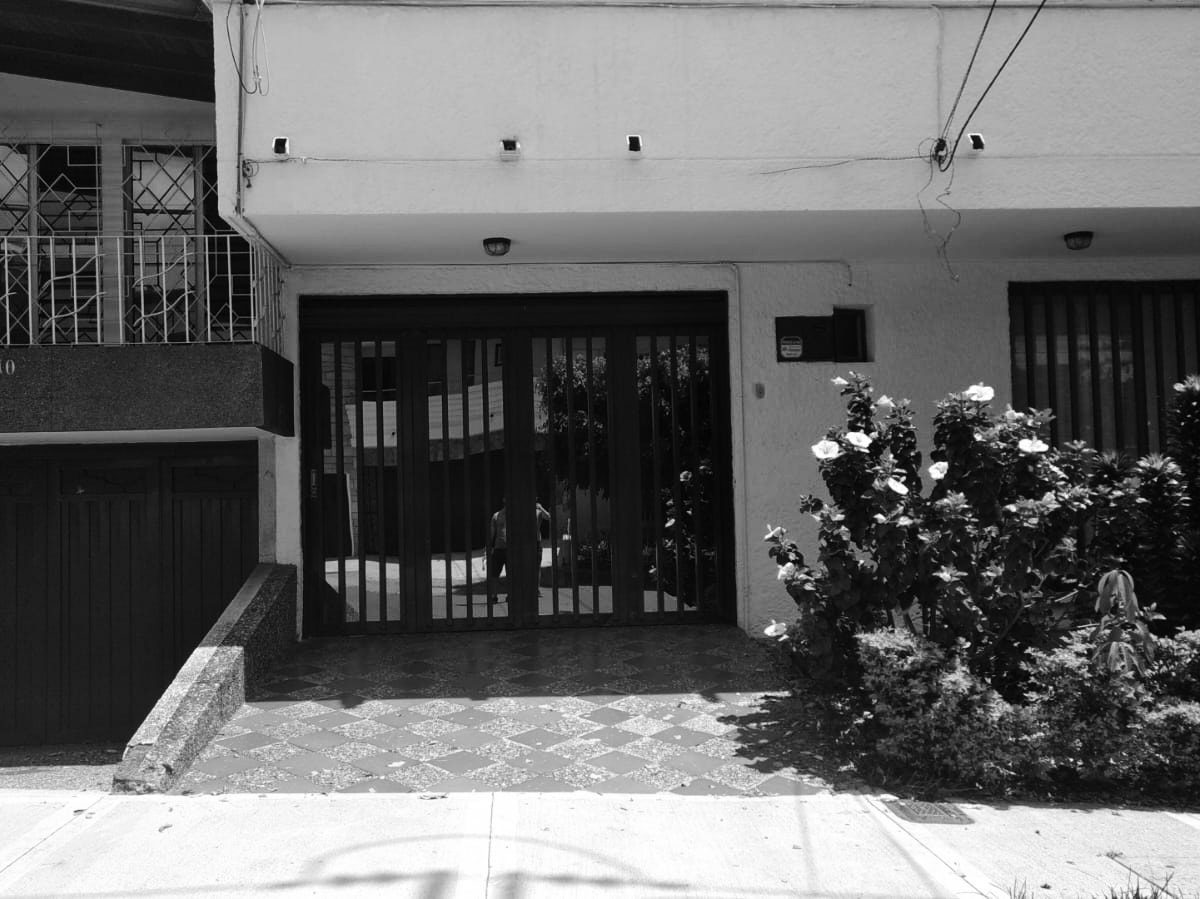
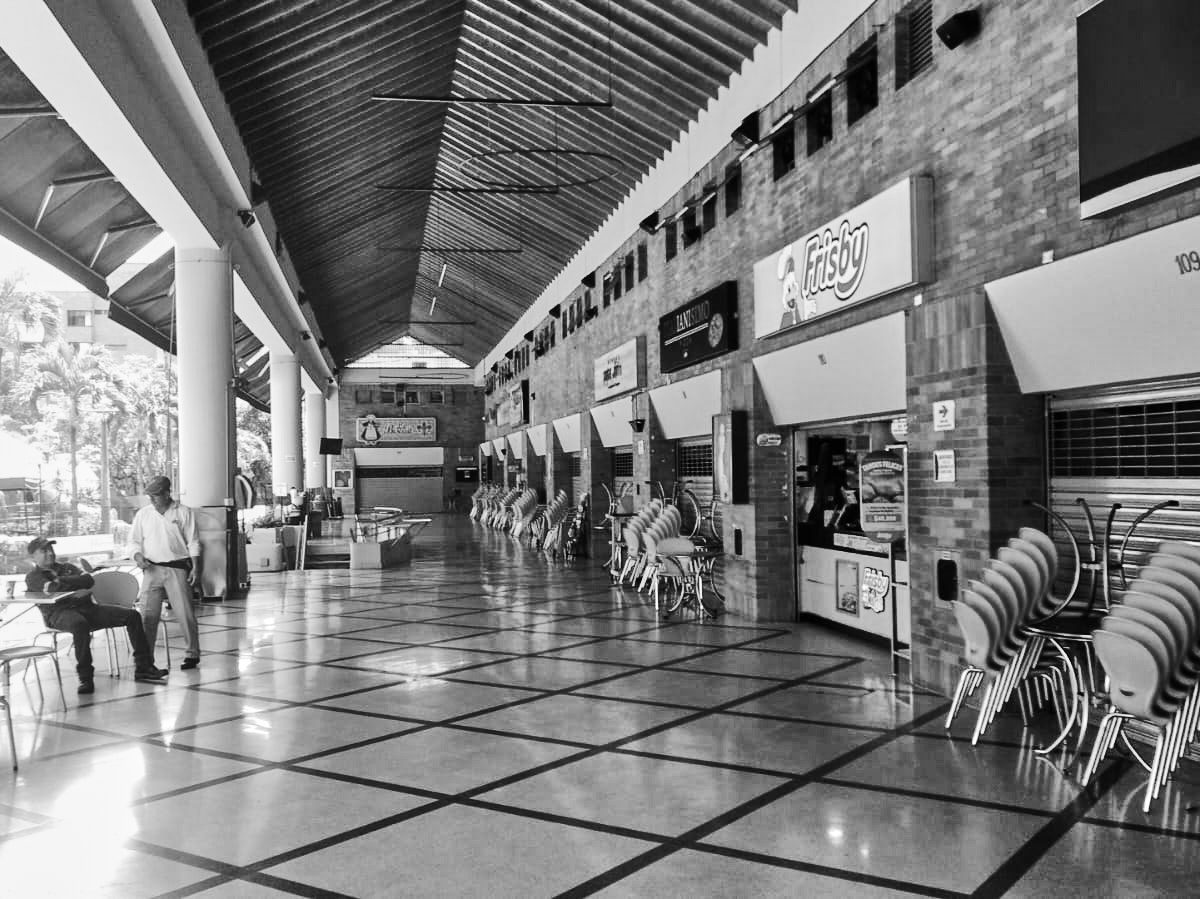
Even empty streets tell stories
Having traveled to several parts of the world, I’ve become accustomed to the bizarre. Nothing, however, compares to the situation I find myself in now. As part of mandatory quarantine, one person from each household is authorized to leave the home for essential activities, like buying groceries or taking the dog out. Police patrol the streets to enforce these rules.
Even if I’m just walking to the store, which is allowed, several hurdles stand in the way of my photographic desires. The police are skeptical of people taking photos since it isn’t considered an essential activity. The fact that I look exactly like what I am — a foreign traveler — doesn’t help. The police may mistake me for foreign press or think I intend malice.
Then there’s the issue of safety. Rumors are already circulating that many of the city’s prisoners are trying to escape. It’s said to be because they, too, fear for their health.
I have to leave my mirrorless camera at the Airbnb. It’s too conspicuous.
Beyond a potential prison break, there are rumors that petty crime has increased. The city is a ghost town. I only need to take one wrong turn during my walk to the supermarket to find myself in a sketchy situation.
All these factors lead to one obvious conclusion. I have to leave my mirrorless camera at the Airbnb. It’s too conspicuous. Still, the desire to photograph doesn’t go away. I need to feed that passion. If not for work, then for my mental health.
I’m taking pictures with a Palm phone
Yes, you read that right.
The Palm is a 3.3-inch smartphone that encourages you to use it less and live life more. (I’m aware that most people in the tech sphere hate this phone, but I rather enjoy it.) It doesn’t come with the best camera, even among phones. It’s certainly a far cry from my Fujifilm X-T2.
But it has a camera. Right now, that’s all I need.


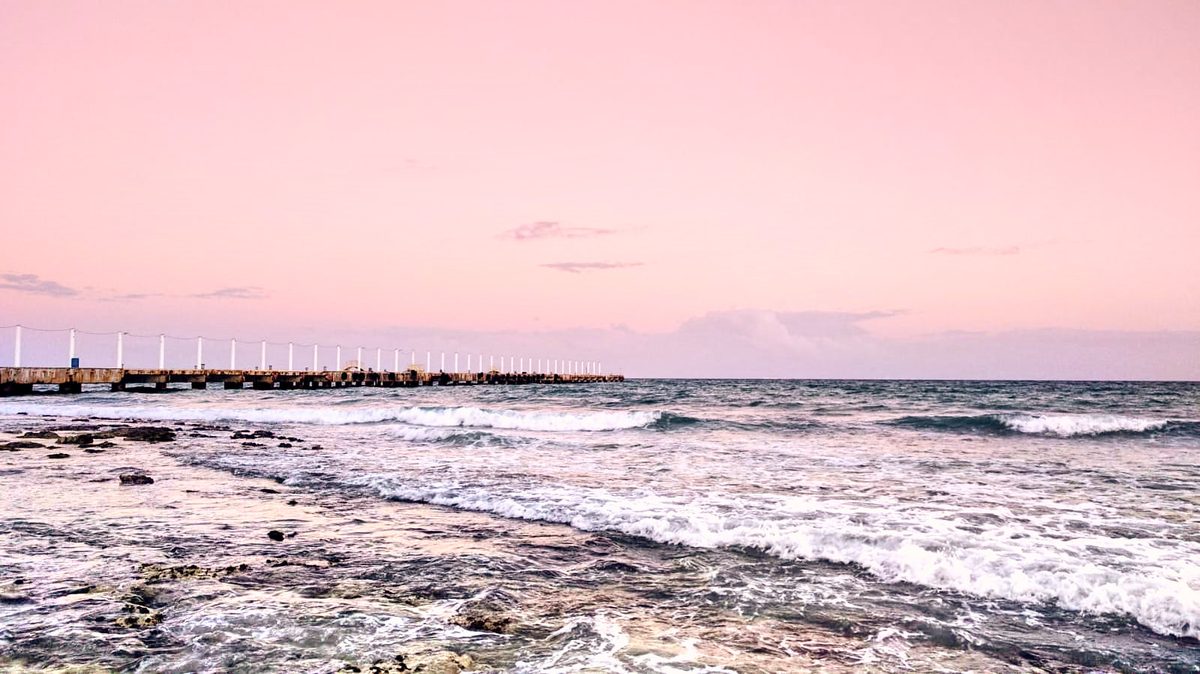
Thanks to its size, the Palm is easy to use without drawing attention. I’ve also found myself turning my lens away from the city and toward nature, searching for some beauty to counter the darkness in the world right now. The tiny Palm is easy to take wherever I go.
Using my phone as my main camera has, in some ways, rejuvenated my passion for the craft. It’s reminded me of the true meaning behind good photography. It’s not about megapixels and sensor size, but solid composition, intriguing subjects, and the right angles.
I’ve been a photographer for nearly a decade, so I’m hardly new to the basics. Yet the constant barrage of technical innovation had influenced me more than I realized. The Palm phone has encouraged me to be aware of the core values of photography, and that in itself is refreshing. I love the challenge of taking great photos with a poor camera.


I’ve also decided to use this time to develop myself. I’ve always been a still photographer and never pushed myself to explore the world of video. But when adversity strikes, it’s the best time to learn new skills to get through it.
I created a YouTube channel. It’s a space where I can share my knowledge of travel and creativity from the confines of my Airbnb. (And, no, I’m not shooting this on my phone.) At the very least, I hope it to be a platform that gives people a small window of escapism during a time when they’re locked in. Sure, I’d love to monetize it one day, but for now, its value is in allowing me to continue to be creative when I’m trapped indoors.
I know people hit hard by this pandemic. In the blink of an eye, their businesses were crushed.
As a professional traveler, of sorts, I’ve learned how to constantly adapt to new situations. In some ways, this is no different. Being forced to spend so much time inside creates an opportunity to ideate and experiment. There are many things you can do from home as a photographer. Re-edit old photos, hop on YouTube to learn a new Photoshop skill, or take this time to finally figure out what TikTok is all about.
For photographers relying on the craft to make money, it’s also a good chance to explore new avenues of income. Offer web tutorials, start selling prints, or look into stock photography. This might not pay the bills right away, but it will help you keep your mind active, and that’s incredibly important right now.
I’m one of the lucky ones
I might be stuck in South America, but otherwise, I’m very fortunate.
As a journalist working remotely, I’m still able to do my job. Many photographers aren’t. I know people hit hard by this pandemic. Event photographers, travel photographers, even commercial studio photographers are unable to work right now. In the blink of an eye, their businesses were crushed.
Being in a foreign country on a different continent, unable to enjoy the freedoms I once could, is tough. I’ve grown accustomed to moving around frequently, and I’m struggling with this forced sedentary lifestyle.
I’m also aware that, however uncomfortable, my situation could be much worse. I have food in my cupboards, a nice home to stay in, and the energy to push myself creatively. Ignoring the global crisis for a moment, that doesn’t sound so bad.
I have no idea when I’ll be able to freely roam the streets with my camera again, but even being cooped up inside, thousands of kilometers from my home, I’m very aware that I’m not alone. We’re all in this together. As photographers, as creatives, as people. And if we can learn to use this time to our advantage, eventually we’ll emerge from this crisis stronger than we went in.
Until then, I’m thankful that I have a job where I can continue working, and for this unorthodox Palm phone that has become my most important creative tool.


