1. Home
  2. Gaming
  3. News

ESRB to introduce new ratings label for games with loot boxes

Add as a preferred source on Google
 

Games that include loot boxes and other types of microtransactions with random chance elements will now come with a warning on physical copies of games. The Entertainment Software Association (ESA) announced that its regulatory board will begin adding a label that reads “In-Game Purchases (Includes Random Items)” on offending titles.

Recommended Videos

The Entertainment Software Rating Board (ESRB) began notifying consumers about certain interactive elements in games in April 2018. Originally, the two labels games could receive were for in-game purchases and user interaction. The rating board will introduce this third label to add transparency about in-game purchases.

This new indicator will be put on games that contain in-game offers to purchase unknown digital goods with real-world currency or virtual currency that can be bought using money. The ESRB will still assign its previous warning to titles with microtransactions that do specify what players will receive for their purchase, including additional characters or levels. The ESRB states this aims to target loot boxes, gacha (vending machine) games, item packs, and other in-game mystery awards.

The ESRB states that while parents are more concerned with the ability to spend real money in games rather than if the purchases are randomized, the organization received feedback from many gamers asking for additional clarification. It hopes to help consumers make informed decisions on what titles they choose to support rather than finding out about loot boxes after booting up the game.

“We want to avoid confusing consumers who may not be familiar with what a loot box is,” ESRB said on its choice to avoid saying loot box in its label. “Recent research shows that less than a third of parents have both heard of a loot box and know what it is. ‘Loot box’ is a widely understood phrase in and around the video game industry and among dedicated gamers, but most people less familiar with games do not understand it. While this new label is primarily in response to feedback from game enthusiasts, it is still essential that all consumers, especially parents, have a clear understanding of the rating information we provide.”

Loot boxes have become a hot-button issue within gaming after being popularized by titles, including Fortnite, FIFA Ultimate Team, and Overwatch. The random nature of loot boxes is frequently compared to gambling, and Belgium banned the microtransaction type altogether in 2018 as they were “in violation of gambling legislation.” Last year, Republican Senator Josh Hawley looked to regulate loot boxes in the United States by introducing the Protecting Children from Abusive Games Act.

Tyler Treese
Former Digital Trends Contributor
When not playing or writing about games, Tyler Treese serves as the Senior Editor at Wrestlezone. An experienced writer that…
Epic is improving its game launcher with a long overdue speed boost and plenty of new features
Epic Games Store Launcher V2 could finally address years of user complaints
epic games logo

Epic Games has spent years trying to make the Epic Games Store a serious rival to Steam. It has given away free games, signed exclusivity deals, and kept major PC releases such as Borderlands 3, Assassin’s Creed Mirage, and The Lord of the Rings: Return to Moria away from Valve’s storefront at launch. Those moves have helped Epic build an audience, but they have not been enough to seriously threaten Steam’s position as the default PC gaming platform.

One problem has been the launcher itself. Earlier this year, an Epic executive admitted to Eurogamer that the launcher “sucks,” and the company now appears to be working on a much bigger fix. According to slides from an Unreal Fest presentation shared by LuKaOnIndeed on X, Epic is developing Launcher V2, a ground-up rebuild of the Epic Games Store launcher that is supposed to be much faster and easier to use.

Read more
Forget RTX filters. BenQ’s gaming monitor does the pretty stuff itself
BenQ’s AI game filters are what I wanted RTX filters to be
BenQ AI Gaming Monitor Filters

I’ve spent years messing with in-game brightness sliders, GPU filters, HDR modes, and monitor presets to tinker with my experience on my favorite games. Of course, I'd always go with the original artists' intent first, but replaying these titles with new filters does freshen up the atmosphere.

This is why I was particularly impressed by BenQ’s new MOBIUZ gaming monitors. During a recent visit to BenQ’s Taiwan HQ, I got a hands-on look at the company’s latest AI-powered game filter tech, and it immediately made more sense than I expected. The company isn't just slapping on the "AI" sticker onto a gaming display. What you are getting here is custom touches to change up your experience by pulling from BenQ’s game art database that automatically tunes brightness, contrast, and color balance to match the game’s visual style. The fun part is that your performance doesn't take a hit.

Read more
Sony’s wild PSN login patent could turn the DualSense into a security gatekeeper
A newly published filing outlines controller-based sign-ins for PlayStation users, aiming to make stolen accounts harder to exploit.
Geoff Keighley holding DualSense.

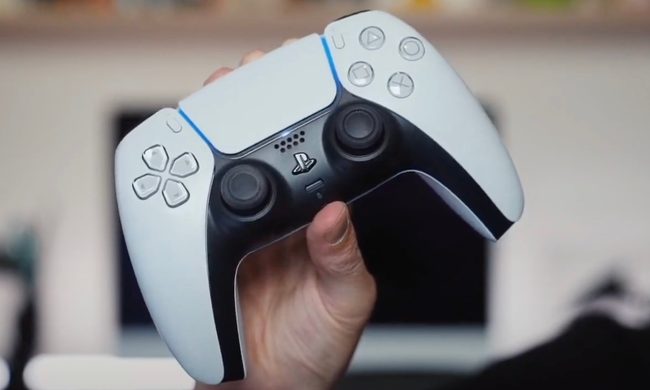
Sony has filed a PSN login patent, first spotted by RespawnFirst, that would pull the DualSense controller into the sign-in process. A PlayStation console would start the request, then the controller would help confirm that the account holder is close enough to approve access.

For players, the appeal is easy to see. PSN account abuse can lead to unauthorized purchases, lost access, and attempts to resell established accounts. Sony already offers 2-step verification and passkeys, but this idea adds a hardware check to the login chain.

Read more