1. Home
  2. Trash
  3. News

Google to ban ads from appearing next to coronavirus conspiracy theories

Add as a preferred source on Google
 

Google will reportedly ban advertisements from running alongside debunked coronavirus conspiracy theories, starting in August.

Under the new policy, supervisors will be able to remove entire ads from articles, as well as ban all advertisements for websites that violate the new rule on multiple occasions, according to CNBC. Google had previously banned ads that made harmful claims about prevention and treatment of the coronavirus.

The new ban applies more broadly to a host of coronavirus conspiracy theories, such as the debunked involvement of billionaire Bill Gates or unsubstantiated links to 5G networks, CNBC reported.

The policy will be implemented on August 18, and infringements will be counted on a percentage threshold, CNBC reported.

Digital Trends reached out to Google for confirmation of the new policy. We will update this story when we hear back. 

This decision comes after health officials blamed rampant coronavirus hoaxes for spreading fear and misinformation online. While this new rule will prevent publishers from profiting from viral misleading articles about the outbreak, experts still suggest that readers consider the source, read the information with a thorough and wary eye, and do their own research before buying into coronavirus rumors. 

While this isn’t Google’s first time addressing ads that appear next to false information, this new ban seeks to deal with the wave of false information surrounding the disease.

Previously, Google made headlines for banning ad revenue on articles that include conspiracy theories about diseases and potential cures, especially anti-vaccine and anti-treatment views that could cause bodily harm and death.

In 2019, advertising accounted for over 70% of Google’s reported revenue, earning the tech company over $135 billion with the help of ad managers.

Zoe Christen Jones
Zoe Christen Jones is a breaking news reporter. She covers news, digital culture, tech, and more. Previously, she was…
The Digital Trends App Bundle is yours to try for a whole week, free
Digital Trends App Bundle

Recently, we've entered an exciting collaboration with Maple Media, creating a bundle of 17 apps worth having on your phone. From relaxed fun to serious productivity boosts, these apps cover all your bases and provide a fun boost to your phone. Normally, the bundle is $9.99 per month (far lower than the cost of using the apps individually), but for your first 7 days you can get access to the bundle for free. View the full Digital Trends App Bundle for a complete list of the apps, or read on for a summarized take.

Start your free trial

Read more
The Galaxy S26 Ultra might not see much of a battery upgrade after all
It looks like it will stay the same as the last five years.
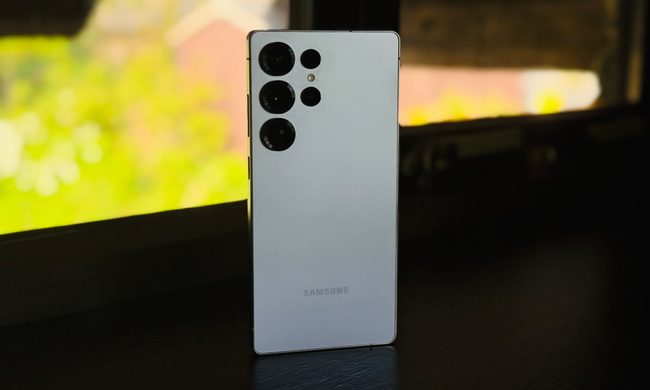
The back of the Samsung Galaxy S25 Ultra.

What's happened? This week, China's Quality Certification Center released information about a battery (EB-BS04898ABY) with a maximum capacity of 4,855mAh. That's the same capacity as was previously seen in the Samsung Galaxy S25 Ultra, and fans have taken this certification to mean the Galaxy S26 Ultra will not see a capacity increase after all.

The Samsung Galaxy Ultra models have had the same battery capacity for the last five years.

Read more
The Galaxy Tab S10 Lite is official, and it’ll be here sooner than you think
Galaxy Tab S10 Lite

What's happened? Samsung has officially announced the Galaxy Tab S10 Lite, a budget-friendly alternative to the Galaxy Tab S10. The device has been rumored for months, but this is the first time Samsung has officially acknowledged its existence.

The Galaxy Tab S10 Lite will have a 10.9-inch display and a peak brightness of 600 nits — a bit on the lower side, versus the iPad Pro's maximum brightness of 1,600 nits.

Read more