
Gamers fighting over video game consoles may one day be a thing of the past as cloud-based game streaming options continue to emerge. Two larger contestants in the field are Amazon with its Luna streaming service and Google with Stadia. Both game-streaming services are laid out slightly differently, making this choice one that should be considered before jumping into a definite purchase. In this battle of Amazon Luna versus Google Stadia, we take a close look at each service, checking out its supported platforms, available controllers, streaming quality, game library, and pricing and availability.
Further reading
- The best Google Stadia games for 2021
- Which video game cloud service won 2020’s streaming war?
- I used cloud gaming exclusively for a month. Here’s what happened
Supported platforms
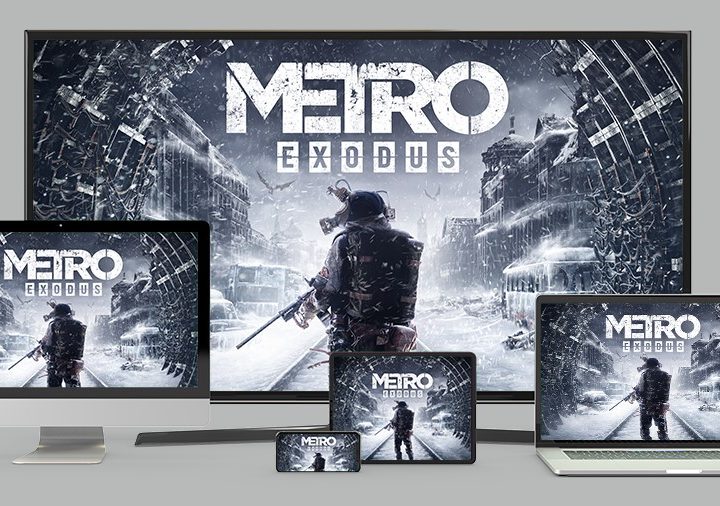
When logging into one of the two platforms, Luna or Stadia, you’ll likely be using either your home computer, a mobile device, or your television. Starting with the living room, each service supports a different platform if you’re looking to game on your television. Google Stadia currently supports only the Chromecast Ultra, with future support headed to its Google TV platform. Amazon, on the other hand, supports most modern Fire TV devices. Beyond these television platforms, no others are supported. If you have a Roku, Apple TV, or other Chromecast devices, you are unfortunately out of luck.
When it comes to mobile devices, both Stadia and Luna do support Android and iOS. Within Android, the two platforms offer native applications that can be downloaded to your device. Due to iOS’ current limitations, the two companies provide progressive web applications. Essentially, you visit either the Stadia or Android website, then add the website to your home screen, where it can act as a more full-featured experience.
If you are looking to game on your Mac or PC, both Stadia and Luna offer support, although in slightly different ways. Amazon Luna users can either download a dedicated Mac or Windows application or use the Chrome web browser. Google Stadia, however, can only utilize the Chrome web browser for streaming; it does not offer dedicated applications.
While both services offer support on a decent number of platforms, Amazon Luna’s service is compatible with a broader range of TV streaming sticks/boxes and offers more ways to play when using a Mac or PC.
Winner: Amazon Luna
Controllers
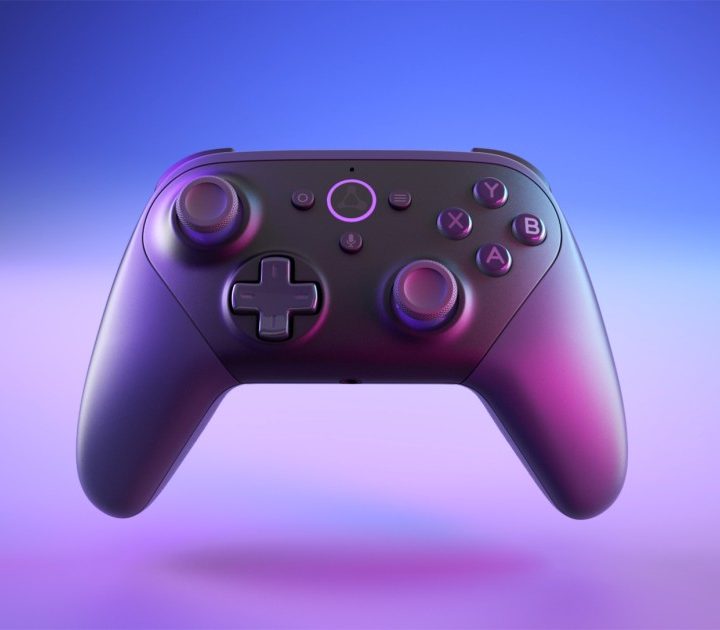
Both Google Stadia and Amazon Luna can be played with your favorite Bluetooth controllers, such as those provided with a PlayStation 4 or Xbox One. Stadia and Luna also support using a keyboard and mouse if you prefer to play in that style. However, what makes both gaming services quite special are their support for custom, branded Wi-Fi controllers that promise to reduce latency when gaming.
Google’s Stadia Controller has a layout similar to a PlayStation one, with the two thumb sticks placed on the lower half of the controller. Using the Google Stadia application, you can register the controller to your Stadia account, allowing you to play across multiple screens and connecting directly to Google’s service for a more precise experience. The Stadia Controller currently sells for $70 and is available in three colors: Clearly White, Just Black, and Wasabi.
Amazon Luna also offers a Wi-Fi controller, known as the Luna Controller, that can be purchased separately. The Luna Controller is only available in a single color, black, and costs $50 during Luna’s beta stage, but will rise to $70 when the service formally launches. Opposite the Stadia Controller, the Luna Controller follows the Xbox layout, with the left thumb stick positioned higher than the right thumb stick.
While both controllers will be available at the same price when Luna formally launches in the future, we need to give a bit of extra credit to Google for offering a more comprehensive range of colors. Additionally, while PlayStation continues to outsell Xbox, we believe that many gamers will feel more at home with Google Stadia’s controller layout.
Winner: Google Stadia
Streaming quality
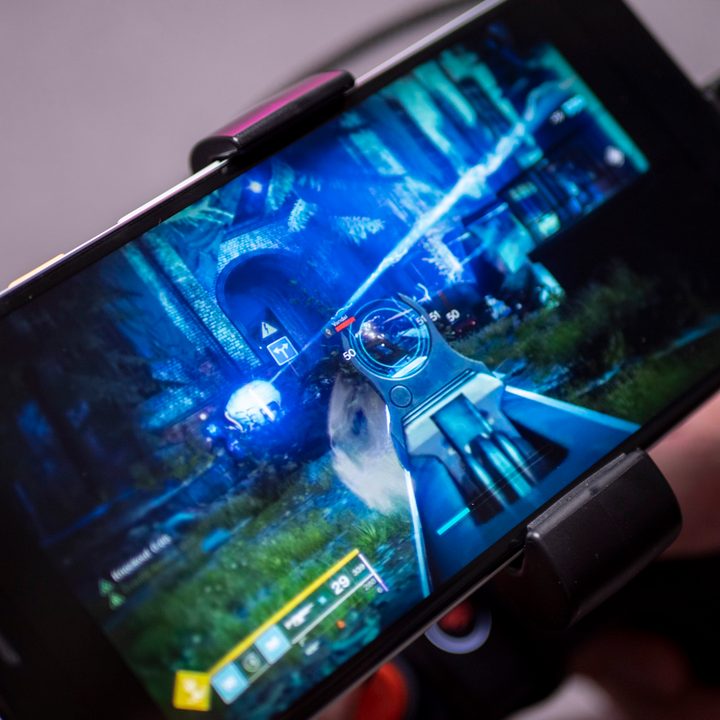
Google Stadia and Amazon Luna both offer 1080p/60 frames per second streaming out of the gate. To access 4K streaming with Stadia, you will need to be subscribed to Stadia Pro; Amazon does not currently offer 4K streaming for its service but notes that it will be coming soon for select games. Beyond this information, we don’t know much about the Amazon Luna service’s technical details and what might be entailed for the future. However, Google Stadia does note that HDR and 5.1 Surround Sound are indeed supported, but again, they require a Stadia Pro subscription for access.
Despite needing to pay out for the additional features with Google Stadia, the service currently offers the highest quality available out of the two services. As a result, Stadia takes the cake as it stands right now, but we’re curious to see how Luna improves in the future.
Winner: Google Stadia
Game library
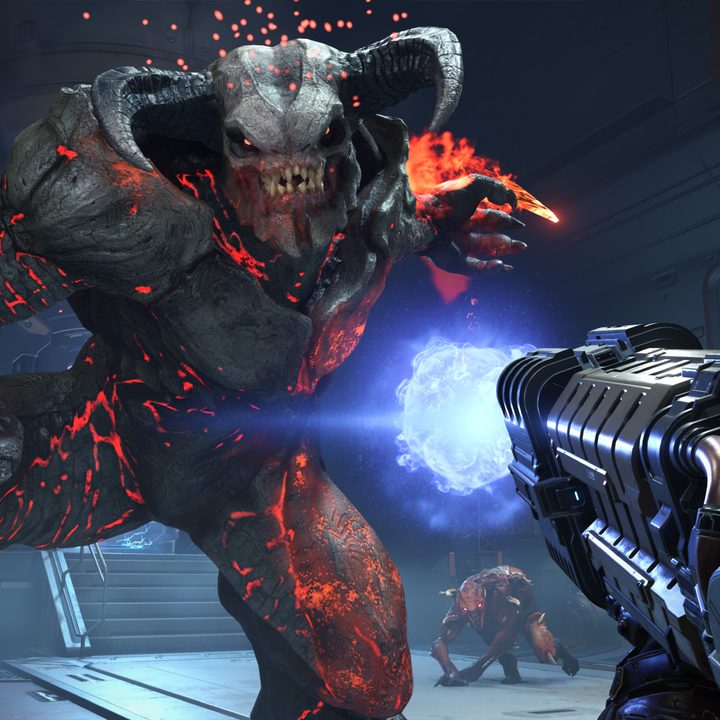
The game library is where Google Stadia and Amazon Luna genuinely become different. Amazon launched Luna as a pure subscription service, meaning that you will need to pay a monthly fee to gain access to several preselected games — you can think of this model as similar to a service such as Netflix or Hulu, but for video games. Users start with the basic Luna+ library but can pay extra to add additional content from companies such as Ubisoft. There is no option to purchase a game outright permanently.
While Google’s Stadia also offers a subscription-based service known as Stadia Pro, users do not need to purchase a recurring monthly subscription to start gaming. With Stadia, gamers have the option to buy games outright and add them to their cloud library, similar to purchasing a game off of Steam for your PC or Mac. If you do subscribe to Stadia Pro, you will get access to Google’s streaming library as well as additional Pro features, including a 4K video quality upgrade.
As for the quality of games offered on each service, this will vary from month to month, but both platforms are indeed pushing out AAA gaming-titles, as well as a healthy selection of older games and indie options. Due to Stadia’s ability to purchase games permanently without the need for a recurring subscription, we will need to give it a win for this round.
Winner: Google Stadia
Pricing and availability

Google Stadia is currently available in 22 countries, including the United States. Using the service to purchase games will cost you nothing beyond the title’s price; however, if you wish to gain access to the streaming library and 4K gaming, a Stadia Pro subscription will run you $10 a month after the free one-month trial.
Amazon Luna is much more exclusive, only available within the United States, but an invite is required. If selected for early access, Luna will cost $6 a month to access the basic Luna+ library. If you want access to Ubisoft’s library, it will cost you another $15 a month. It is critical to note that these prices are for early access beta and may change when Amazon decides to launch its service fully.
With Google Stadia available in more countries and the option to forgo any need for a gaming subscription, it’s our winner for the pricing and availability category.
Winner: Google Stadia
Overall Winner: Google Stadia

Amazon is looking to move into the cloud gaming services market, but they will need to do a bit of work before offering a service up to the chops of Google Stadia. Luna is by no means a bad service; in fact, it is quite excellent. However, Stadia is available to more users worldwide, doesn’t require a monthly subscription, and offers more choices when it comes to hardware controllers.
Google Stadia is our overall winner, but be sure to keep an eye on Amazon Luna, as it isn’t a slouch and could prove to be real competition in the future.


