1. Home
  2. Phones
  3. Mobile
  4. News

Digital Trends may earn a commission when you buy through links on our site. Why trust us?

Samsung is working on a new Exynos 1280 chipset for budget phones

Add as a preferred source on Google

Despite Qualcomm’s dominance over the mobile chipset segment in recent years, Samsung has been persistent at pushing its Exynos lineup of processors in its phones. The South Korean manufacturer equips most of its phones with its series of homegrown chipsets, and if a new leak is to be believed, Samsung is developing a new Exynos chipset for entry-level phones. This leak comes on the back of rumors that Samsung wants a majority of its 2022 devices to run on Exynos processors. 

The name of the new processor is believed to be the Exynos 1280 mobile chipset. Now, there’s a lot we don’t know about this mysterious processor, but the leak has revealed that the Exynos 1280 is a step down from the Exynos 1080. Samsung unveiled the Exynos 1080 late last year, and it is by no means a slouch. In fact, it’s a powerful midrange chip used in Vivo’s X60 series of flagship phones. Given all this, it is a bit puzzling to understand what the tipster means by “entry-level” phones. Moreover, it is also possible that the Exynos 1280 debuts on a non-Samsung phone, similar to the Exynos 1080. 

Recommended Videos

Since this rumored Exynos chip looks like a part of the Exynos 1080 line, it is likely that it will adopt some specifications from it. We assume that it’ll be built upon the 5nm process and also come equipped with 5G. The Exynos 1080 uses a cluster of four Cortex-A78 CPU cores and four Cortex-A55 CPU cores. From what the leak says, it could be that the new Exynos 1280 has the same lower-clocked cores. The Exynos 1080 also comes with support for 200MP cameras and QHD+ displays. We can expect at least some of these features on the Exynos 1280. However, these are all presumptions for now.

Samsung has also joined with AMD to offer cutting-edge RDNA2 graphics on mobile devices for the first time. The first phone to feature the capability is expected to be the upcoming Samsung Galaxy S22.

Abdul Q
Former Digital Trends Contributor
Abdul can be tagged as a true blue smartphone enthusiast. As part of his professional career, he has contributed to a number…
Gemini Intelligence has strict requirements, and your phone may not qualify
Gemini Intelligence

Google’s new Gemini Intelligence platform is quickly becoming one of the biggest talking points in the Android world right now. After being highlighted during this week’s Android Show, the feature is already being tied to several upcoming premium foldables and flagship phones. But there’s a catch: not every high-end Android device will be able to run it. And surprisingly, even some of Google and Samsung’s latest foldables may miss out.

According to Google’s requirements, Gemini Intelligence isn’t just another software update you can casually push to older devices. The company appears to be building this around a much stricter hardware and long-term software support system. To qualify, a phone needs a flagship-grade chipset, at least 12GB RAM, support for AI Core, and Gemini Nano v3 or newer. That immediately creates a problem for several current-generation phones.

Read more
Meta’s Ray-Ban Display now types messages from your finger movements
Neural Handwriting is a really cool feature, but Meta opening the Ray-Ban Display to developers is the quiet announcement that turns a clever wearable into a platform with immense possibilities.
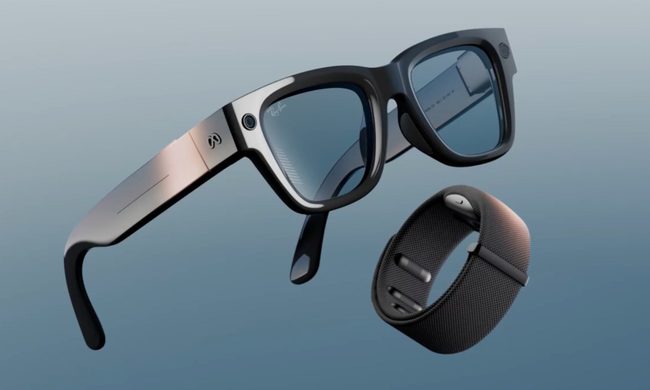
Meta Ray-Ban Display and EMG Band.

Six months into its life, the Meta Ray-Ban Display is starting to look less like an experiment, thanks to what is arguably the most significant update Meta has ever pushed for the device. 

The headline feature is Neural Handwriting, which is now available to every Ray-Ban Display owner, having spent its early months in limited access for Messenger and WhatsApp users. 

Read more
WhatsApp is testing disappearing messages that wait for you to actually read them before vanishing
WhatsApp's new After Reading timer deletes messages only after the recipient reads them.
whatsapp-disappearing-messages-after-reading-timer

WhatsApp has always let you send messages that vanish on a timer, but the clock starts the moment you hit send, not when the other person actually read it. That means a message could sit unread for hours and still disappear before anyone sees it.

This is why WhatsApp is testing a new feature called 'After Reading' timer for disappearing messages, spotted in the latest iOS beta update by WABetaInfo.

Read more