
Apple’s iPadOS 16 has finally arrived after the company delayed it for a few weeks to ensure it was truly ready for prime time. As a result, it skipped over version 16.0 and went straight to iPadOS 16.1 to match the corresponding iOS 16.1 release that came out at the same time for iPhone users. Nevertheless, it packs in most of the new collaboration and multitasking capabilities that Apple showed off at its June Worldwide Developers Conference (WWDC). However, we’ll have to wait for iPadOS 16.2 before we see Apple’s new Freeform collaboration app.
As implied by the identical version numbers, iPadOS 16.1 brings many of the best iOS 16.1 features from the iPhone over to Apple’s tablet, including shared photo libraries for families, powerful live text and visual look-up features, and enhanced messaging and sharing capabilities. However, iPadOS 16 also gets its own unique set of productivity tools to edge Apple’s tablet closer to a more laptop-like experience.

Unfortunately, all this extra power means Apple is leaving a few older iPad models off the list of compatible tablets this year. The good news is that iPadOS 16 will still run on every iPad Pro model that Apple has released — going back to the original 12.9-inch iPad Pro from 2015. However, iPadOS 16 spells the end of the line for the entry-level iPads from that same era.
That means the 2014 iPad Air 2 and the 2015 iPad Mini 4 won’t run iPadOS 16. The cutoff for Apple’s lower-end tablets is the fifth-generation iPad, released in early 2017. However, all of the iPad in Apple’s mid-tier lineup are supported, which began in 2019 with the third-generation iPad Air and fifth-generation iPad mini.
iPadOS 16 compatibility at-a-glance
iPad Pro 12.9-inch: First, second, third, fourth, fifth, and sixth generation (2015 to 2022).
iPad Pro 11-inch: First, second, third, and fourth generation (2018 to 2022).
iPad Pro: 9.7-inch and 10.5-inch (2016 to 2017).
iPad: Fifth, sixth, seventh, eighth, ninth, and 10th generation (2017 to 2022).
iPad Mini: Fifth and sixth generation (2019 to 2021).
iPad Air: Third, fourth, and fifth generation (2019 to 2022).
Not all iPads are equal under iPadOS 16
Interestingly, Apple is more accommodating with iPadOS 16 than it is with its iPhone counterpart. Although iOS 16 is drawing the line at A11-powered iPhone models, iPadOS 16 will be available for iPads still using the same A9 chip found in the iPhone 6s.
Specifically, that’s the 2017 fifth-generation iPad. Notably, the 2015 iPad Pro uses the A9X, a variant of the same chip that features twice as many GPU cores and a faster clock speed.
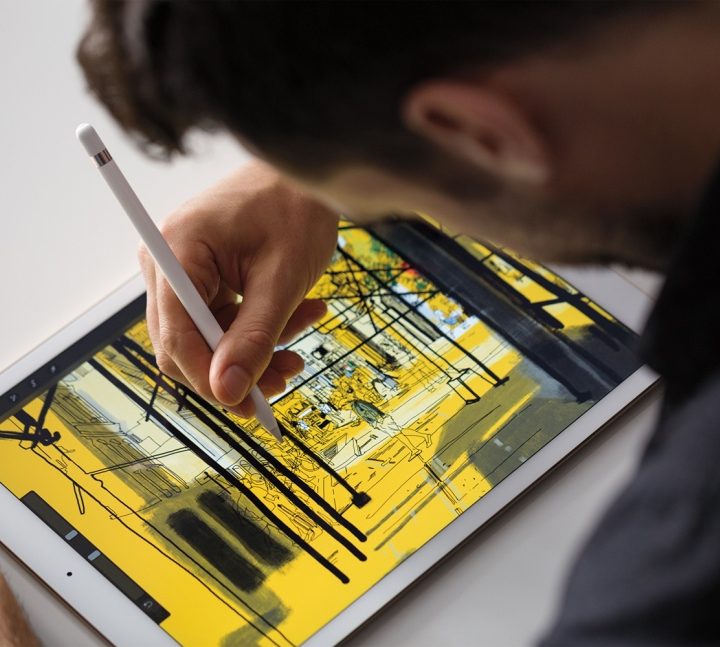
However, like its iPhone counterpart, it’s worth noting that iPadOS 16.1 won’t offer all the same features on older iPads as it does on Apple’s latest tablets. The most significant of these is the new Stage Manager multitasking system and external display support. Initially, Apple planned to make this available only on iPads with its M-series chips — the iPad Pro (2021) and later and the iPad Air (2022) — but it later figured out a way to also bring it to older A12-equipped iPad Pro models, the iPad Pro (2018) and iPad Pro (2020), in a more limited fashion.

The older iPad Pro devices won’t get external display support and will, therefore, only be able to handle four apps at once, rather than the eight apps that an M1/M2-equipped iPad can support. That’s a moot point for now, though, as external display support isn’t even coming to Apple’s latest M2-powered iPad Pro (2022) until iPadOS 16.2 arrives later this year.
A tale of two tablets
The two iPad models that have been left off the list — the iPad Air 2 and iPad Mini 4 — used the A8X and A8 chips, respectively. That’s the same chip from the 2014 iPhone 6, which hasn’t been supported since iOS 12.
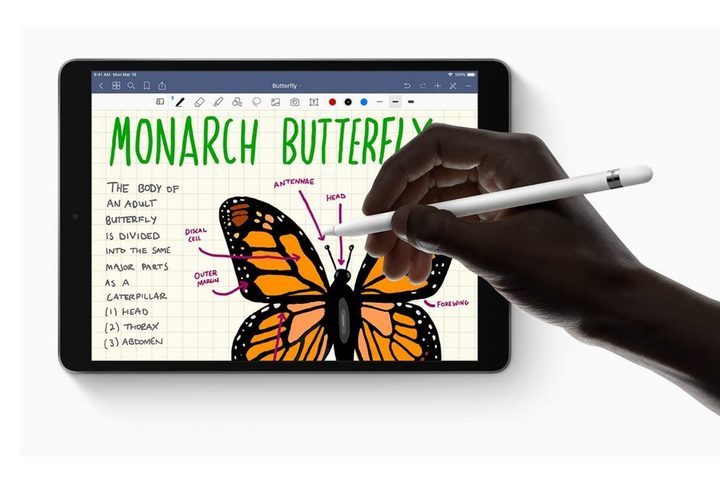
It’s also worth noting that despite the continuity of naming, the third-generation iPad Air isn’t truly a successor to the iPad Air 2. The first two generations of iPad Air were effectively the fifth and sixth entries in the standard iPad lineup. At the time, Apple wanted to emphasize how thin the 2013 iPad was, so it borrowed the “Air” moniker that had been used in the same way to debut the original MacBook Air several years earlier. It continued naming with the 2014 model before seemingly shelving the entry-level iPads for a few years to focus on its iPad Pro lineup instead.
Five years later, Apple resurrected the name to create a new midrange iPad tier alongside the return of the fifth-generation iPad mini. These featured the same A12 chip used in the iPhone XS a few months earlier, putting them merely a notch below their contemporary A12X-equipped iPad Pro models.


