Since December 2023, Google Bard has been known as Google Gemini. Our comparison of ChatGPT and Google Gemini is a closer examination of the differences between the two chatbots.
Google Bard and ChatGPT are two of the most prominent AI chatbots available. But which is better? Both offer natural language responses to natural language inputs, using machine learning and millions of data points to craft useful, informative responses. Most of the time. These AI tools aren’t perfect yet, but they point to an exciting future of AI assistant search and learning tools that will make information all the more readily available.
As similar as these chatbots are, they also have some distinct differences. Here’s how ChatGPT and Google Bard measure up against one another.
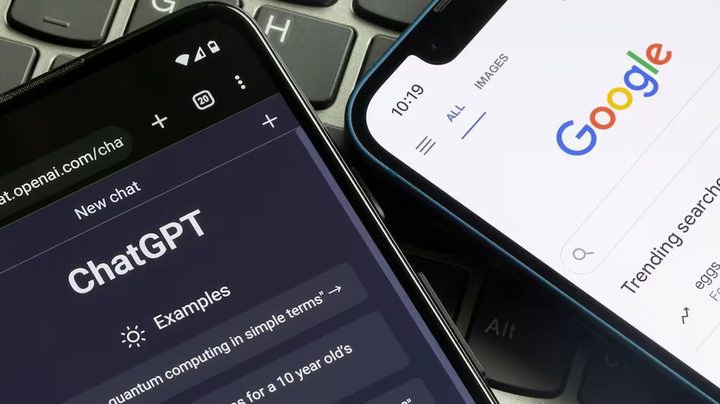
Are Google Bard and ChatGPT available yet?
ChatGPT was first, and in many ways, is still the go-to option for those looking to experiment with AI-generated text. First of all, it’s readily available for anyone to try out for free. The widespread accessibility from day one is part of what has made ChatGPT such a big hit.
Google Bard, on the other hand, is in the middle of a slow roll-out to users in the U.S. and U.K. exclusively. There’s a waitlist to sign up for, though there are a few easy ways to get to the front of that list. If you’re a Google One member, you’ll automatically get access once you sign up. This is also true for members of the Pixel Superfan group. For everyone else, you may still be stuck in line as Google opens up more spots.
It should be mentioned that ChatGPT Plus is also available, which costs $20 per month. It has lots of new features, including the ability to access GPT-4, which is OpenAI’s more powerful LLM (large language model). You can also gain access to GPT-4 using Microsoft’s implementation in Bing Chat, which is now known as Microsoft Copilot.
Google Bard vs. ChatGPT: what’s the difference?
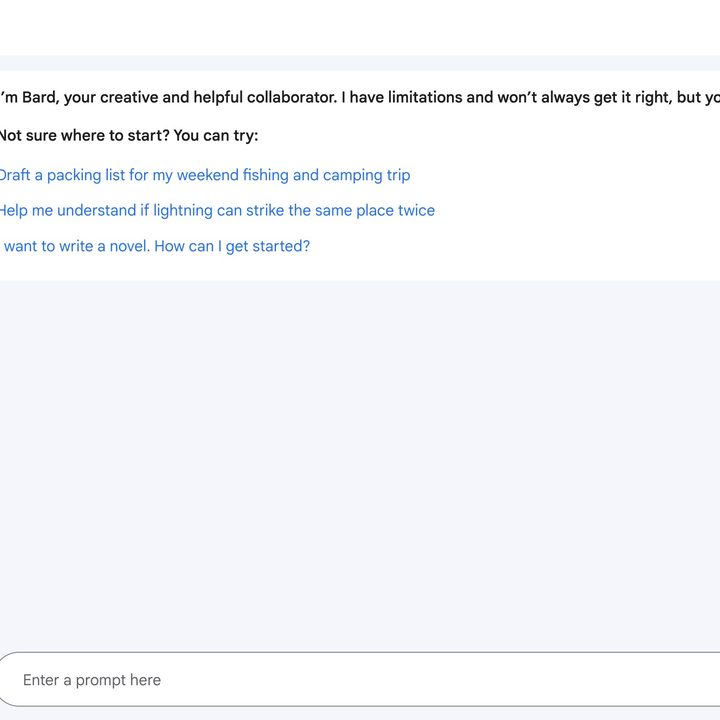
ChatGPT and Google Bard are very similar natural language AI chatbots, meaning they largely do the same thing. Ask it a question or give it some kind of prompt, and it’ll give you an answer.
But the two services have some differences and are designed to be used in slightly different ways. ChatGPT has been used for answering direct questions with direct answers, mostly correctly, but it’s caused a lot of consternation among white-collar workers, like writers, SEO advisors, and copy editors, since it has also demonstrated an impressive ability to write creatively — even if it has faced a few problems with accuracy and plagiarism.
Still, Microsoft has integrated ChatGPT into its Bing search engine to give users the ability to ask direct questions of the search engine, rather than searching for terms of keywords to find the best results. It has also built the AI into every Microsoft Office application you can imagine. Even the Opera browser has also pledged to integrate ChatGPT in the future.
Clearly, ChatGPT as a chatbot is just one example of how it can be used as many more applications access the service through its API, and eventually, augment the service through ChatGPT Plugins.
Google Bard, on the other, is a stand-alone tool — at least, for now. It may someday get integrated into Google Search, but for now, it exists separately and isn’t being integrated into other applications. In the future, we may see it integrated into the Chrome browser and its Chromium derivatives. Google is also expected to open up Google Bard to third-party developers in the future.
But the biggest difference between the two right now is what’s happening under the hood. Google Bard uses Google’s own LaMDA language model, while ChatGPT uses its own GPT-3.5 model. ChatGPT is based on slightly older data, restricted in its current GPT3 model to data collected prior to 2022, while Google Bard is built on data provided in recent years too. However, that doesn’t necessarily make it more accurate, as Google Bard has faced problems with incorrect answers to questions, even in its initial unveiling.
In fact, Google CEO Sundar Pichai recently called Bard a “souped-up Civic” compared to ChatGPT. There have even been reports that Bard was in part trained on ChatGPT’s own answers, which Google has denied.
Google Bard vs. ChatGPT: features
Both tools are fairly basic, mostly consisting of just an empty search box. They both let you access previous chats, as well as edit previous chats to regenerate responses.
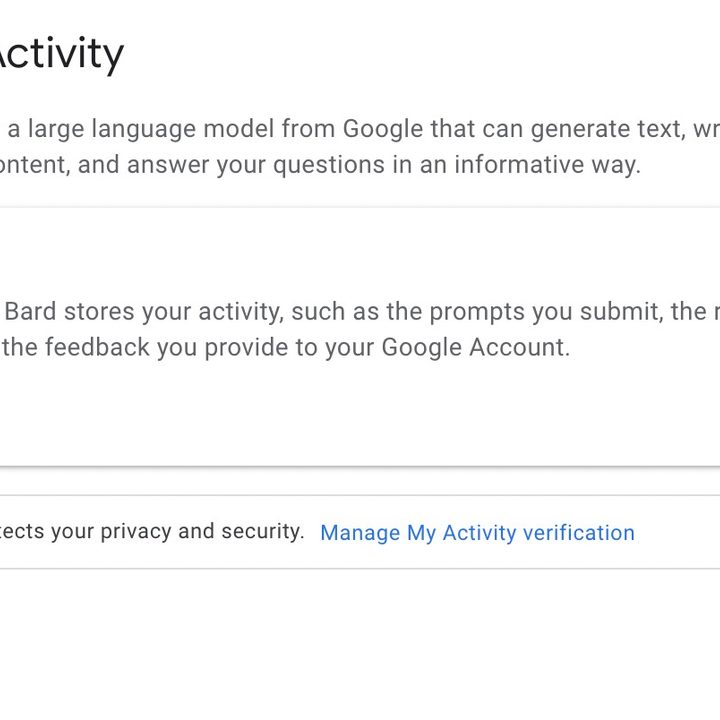
But there are a couple of minor differences in feature sets. Google Bard lets you give prompts via voice using your device’s microphone, which is neat for a hands-free experience. It also offers a quick “Google it” button which gives you in-line links to continue research outside of Bard. One other neat feature of Bard is “drafts.” Each time you enter a prompt and start a conversation with Bard, it’ll offer you different drafts, or variations of responses. It’s a convenient way to pick through a few different options to hone in on what you’re aiming for. I also like the way Bard displays previous prompts. Click on “Bard activity,” and you’ll see each of your prompts, which you can see details or delete from history. You can also turn off Bard storing your activity.
ChatGPT, on the other hand, organizes prompts in conversations, which it displays in the sidebar. This is a handy approach, encouraging you to work with ChatGPT in longer chats around specific topics. You can rename these conversations or delete them, but you’ll need to scroll back to see the responses to specific prompts, which can be a hassle. ChatGPT does offer a dark mode, which is a nice addition, as well as the ability to clear all conversations.
Which is better?
As mentioned, ChatGPT is available in free and paid-for tiers. Due to its popularity, though, if ChatGPT is at capacity, you may find yourself sitting in a queue during peak hours. But lately, OpenAI has been handling the flow of traffic better, so accessing ChatGPT hasn’t been as difficult, even in the middle of the day. It can be a little buggy at times, but it remains the more powerful and accessible AI chatbot.
While alternative AI chatbots offer rigid competition, ChatGPT is the go-to option and is worth trying to access first.