
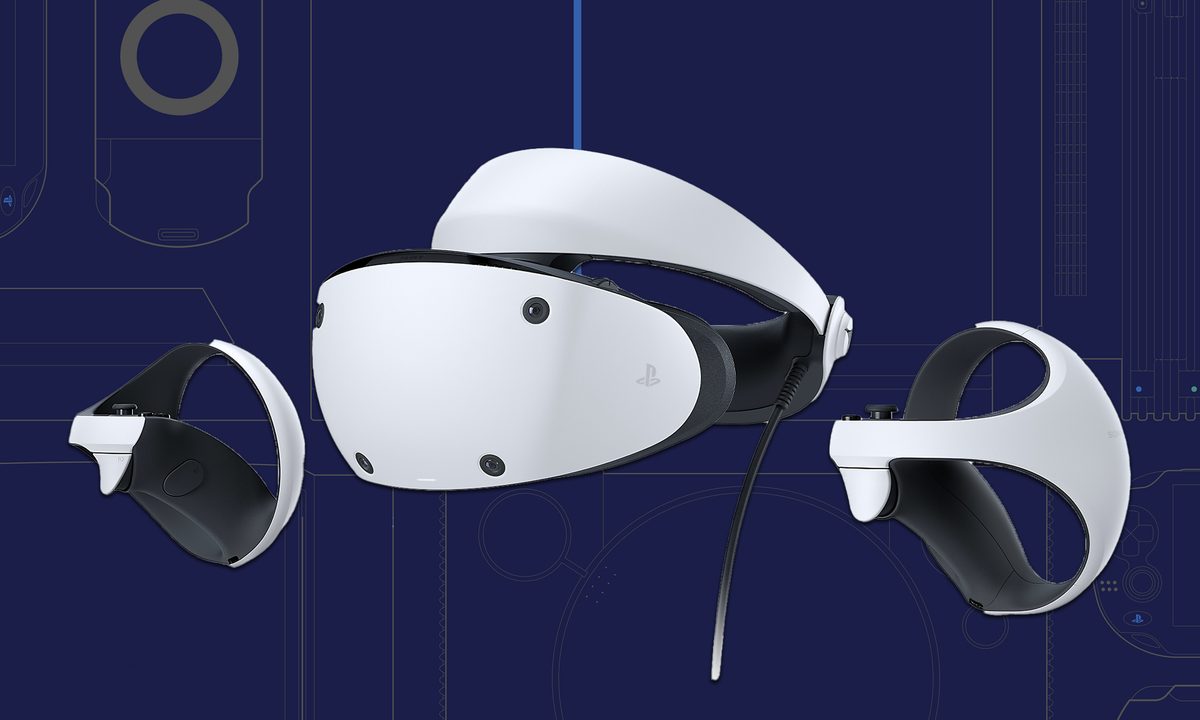
Sony jumped in fairly early to the virtual reality market with its first PSVR unit in 2017. It was, and still is, the only console manufacturer to have dedicated VR hardware that uses the power of its systems to power its headsets. The PSVR, at the time, was the bestselling headset on the market, but this was many years ago.
Now that the PSVR 2 is on the market and promises to be an improvement over the first model in every way, many people might wonder just how much better it is. If you’re curious how the original PSVR stacks up to the PSVR 2, here’s a full breakdown.
PSVR vs. PSVR 2: Specifications
With any VR headset, the technical specs are going to be a very important factor. Things like resolution and frame rates are even more important in VR, when a dip in performance will at best break immersion, and at worst cause physical side effects like motion sickness and nausea. Here’s how the two units compare in terms of their hardware capabilities.
PSVR
The PSVR is powered by the PlayStation 4, and the headset itself comes with a 5.7- inch OLED display that can output up to a 960 x 1080 screen resolution per eye. It has a maximum refresh rate of 120Hz, with a field of view of about 100 degrees. It uses the PlayStation camera for tracking via lights on the front of the headset and the Move controllers.
PSVR 2
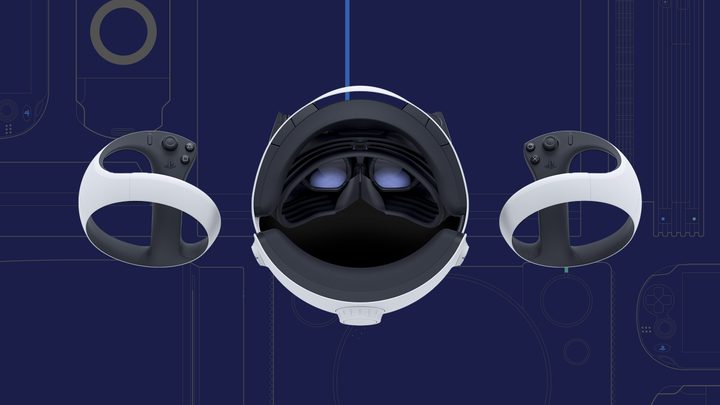
The PSVR 2 uses the new PlayStation 5 hardware, which allows the OLED screen to output a massive 2000 x 2040 resolution per eye at a maximum 120Hz refresh rate. It’s also HDR capable. The field of view has been slightly expanded to about 110 degrees, but the real improvements are in the tracking. Instead of using external camera tracking lights, the PSVR 2 has four built-in cameras for a far more accurate inside-out tracking system. This also allows for a passthrough view, where you can see the world around you without having to remove the headset, which also comes with its own haptic feedback motors.
The new Sense controllers, unlike the Move, are made for VR with haptic feedback, far superior tracking, and adaptive triggers. They also incorporate touch detection, so that the system can detect and display more natural hand gestures than would be possible with normal button presses.
One final area the PSVR 2 pulls ahead is with the eye-tracking technology. This allows for new ways to interact with games, as well as for developers to maximize the hardware with techniques like foveated rendering.
PSVR vs. PSVR 2: Games
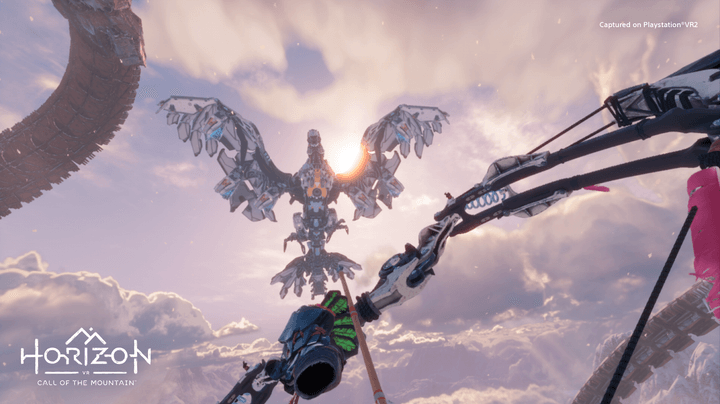
Comparing the libraries of the PSVR and PSVR 2 is a bit tricky. While the PSVR 2 isn’t backwards compatible with PSVR games, many games for that system have been ported or upgraded for the PSVR 2. There are a few notable titles missing, primarily Astro Bot: Rescue Mission, however PSVR 2’s initial lineup does far surpass its predecessor’s.
The games new to PSVR 2, such as Horizon: Call of the Mountain, and the VR mode for newer games like Resident Evil: Village, all look and play far better on the new hardware. If you’re curious about all the games that will be compatible at launch, or that will be coming soon, we have a list you can check out here.
PSVR vs. PSVR 2: Design

The design of the two headsets isn’t too different upon first glance, but there are many important differences. Just looking at the numbers, the PSVR 2 weighs in at 40 grams less than the PSVR, which may not sound like a lot, but does go a long way for comfort if you plan on playing for extended periods of time.
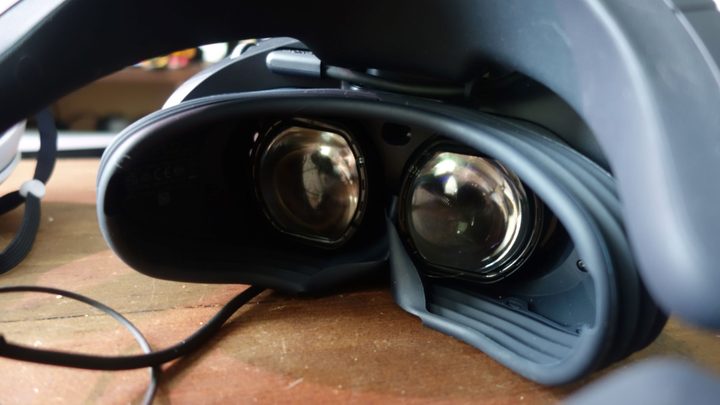
While both units are adjustable, the PSVR 2 does give a greater amount of control with an adjustable scope that moves the lenses closer or further from your eyes, as well as a vent that allows for more airflow inside the headset to prevent moisture buildup.
Where design really tips in PSVR 2’s favor is in the setup. The PSVR was a mess of cables and breakout boxes that severely limited your movement while wearing the unit. While the PSVR 2 isn’t wireless, it did at least cut down the necessary cables to just one USB-C. It also has a handy headphone cable slot in the headset to further remove any dangling wires from getting in your way.
The controllers for PSVR 2 are very similar to what other VR units use, in that they are circular in shape, with one stick on each hand, several buttons, triggers, and a sort of guard around the wrist. Move controllers, which were originally made for PS3, were simple wands with no thumbsticks.
PSVR vs. PSVR 2: Price
The price for PSVR 2 is arguably its most contentious aspect. The unit retails for $550, or $600 if you want the bundle with Call of the Mountain. This alone is more expensive than the already pricey PS5, which is required to use the headset. However, when compared to other VR headsets with similar specs, it isn’t that much more than anything else, with the main difference being that those other headsets require a powerful PC, but can also serve other uses, while the PSVR 2 is limited to what you can do on your PS5.
At launch, the PSVR cost $400. If you adjust that for inflation from 2016, it would cost roughly $500 today, which is just $50 less than the PSVR 2. The PSVR is several years old at this point, but still will cost about $200 for the headset, camera, and move controllers. This certainly is cheaper, and you can get the headset to function on your PS5, but don’t expect any support for this system going forward.


