I never had much faith in cloud gaming.
The reality of current internet infrastructure and reliability just felt — and in many ways still feels — too far off for streaming to provide a close enough experience to the “real” thing for gamers to accept. I even gave it my best shot to change my mind one year ago this week by committing to only playing games via cloud for an entire week. What I found was that, in my situation, there were only select games where the input delay was tolerable enough to consider it as a primary way to play. It’s a great option for those who can’t get expensive hardware, but it wouldn’t find an audience among the hardcore gamers who have better alternatives.
One year later, I admit that I was wrong about cloud gaming. That’s not because I buffed up my internet speed to better handle the tech. Instead, one small Wi-Fi change showed me what I was missing.
It goes up to 6
The only meaningful change to my setup between a year ago and today is a new router. It wasn’t my intention to solve this issue when I purchased a gaming router, specifically the Reyee E6 AX6000. I simply needed a new one after my old router bit the dust. I figured I would invest in something that would be future-proof for a while. I had heard of Wi-Fi 6 and how it was supposedly a much more stable connection for gaming, but it wasn’t at the top of my mind when making my purchase.
Because of the nature of my job, I spend a lot of time bouncing between my console and computer working on guides and other coverage of games. After that experimental week last year, I didn’t really try to stream games to my PC for work much. It would be incredibly convenient, but the picture quality would degrade in minutes, and not long afterward, the entire connection would cut and I would have to reconnect and repeat the cycle. Instead, I only relied on it to make capturing and moving screenshots easier.
Then I gave it another try with my new router.
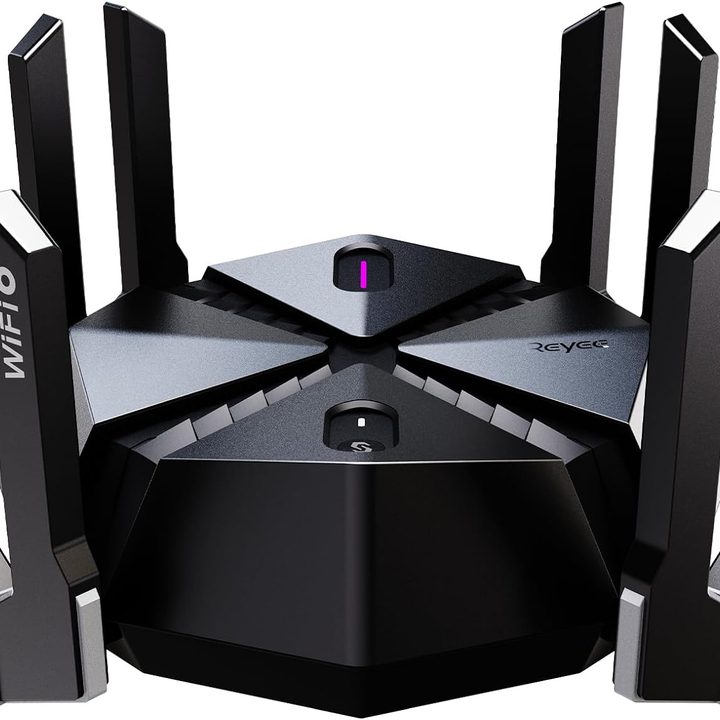
When I say my experience was night and day, I mean it with as little exaggeration as possible. I couldn’t believe that the quality difference was so vast on the exact same internet in the same location, but just using a different router. I never lost connection once using remote play or cloud streaming. And I never even had to drop the resolution to maintain that stability.
The improved input lag was the biggest revelation. No, it wasn’t gone. I don’t believe that is possible unless you’re in the most ideal circumstances regarding connection and distances to servers. However, it was as minimal as I had ever experienced. Previously, I felt as though I had to play one step ahead of the game — predicting what I needed to do and performing the action before I saw the cues or I would be late. Now, with the exception of situations where nearly frame-perfect reaction is required, there’s no challenge I feel is made impossible because of input lag. I’ve beaten bosses in Stellar Blade and nailed all of Tales of Kenzera: Zau’s platforming challenges with about as little issue as I would playing natively.
My main gripe with cloud gaming came down to access. I knew the experience I am having now was possible, but thought it was only available to those in locations with access to, and the ability to afford, top-of-the-line internet speeds. This one upgrade has completely changed my outlook on where cloud gaming could fit into the industry now that I’ve seen firsthand that you don’t necessarily need a gigabit connection to achieve amazing results.
I’ll stand by my claim for now that some games will just never be ideal on cloud, such as fighters, rhythm games, or anything that demands near-perfect timing. I’d love to be proven wrong on that front a year from now. Until then, I’m willing to be more open to tech I was too overeager to write off.