I have always been fully on board with the “games as an art form” argument and how esports in many ways is similar to actual sports. From the intense training regime, physical routines, to strict diets, there’s a whole team working on keeping pro players performing at their peak. And after visiting BenQ’s lab in Taiwan, I saw the real science taking place behind the scenes.
If you play competitive games, a lot of this sounds pretty obvious. Titles like Counter-Strike, Valorant, Apex Legends, and other esports are not casual screen time at the highest level. They are built on reaction speed, hand control, endurance, consistency, communication, and the ability to repeat precise actions under pressure. That is exactly what BenQ’s ZOWIE lab treats seriously.
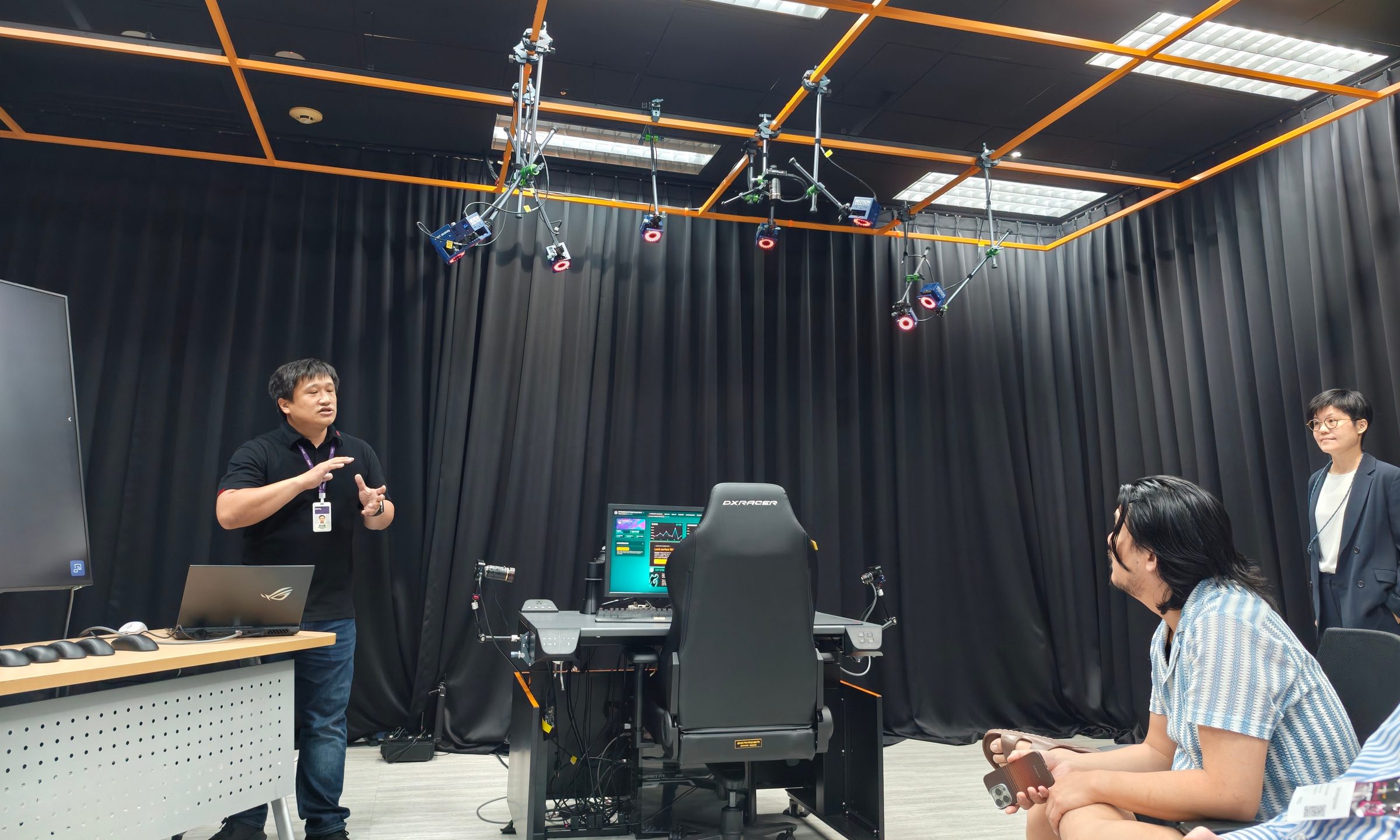
Displays and related tech are where BenQ has always had a strong reputation, but the ZOWIE side always made it clear that the company is not taking shortcuts with peripherals either. During the tour, I saw a proper lab setup with high-speed cameras, motion sensors, test stations, and detailed tracking systems designed to study how players actually interact with a mouse.
This was not just a “make it lighter and call it esports” approach either. The team talked about designing for the highest level of gaming, where tiny differences in shape, grip, movement, comfort, and fatigue can matter.
Science behind a single click
The most interesting part was seeing how deep the testing goes. ZOWIE’s mouse research team looks at qualitative interviews, grip style, hand dimensions, thermochromic ink for contact areas, game performance, motion capture, and electromyography, or EMG, to inspect muscle activation and fatigue. That already sounds like a lot of work for such a gaming peripheral. But it all serves a very important purpose.
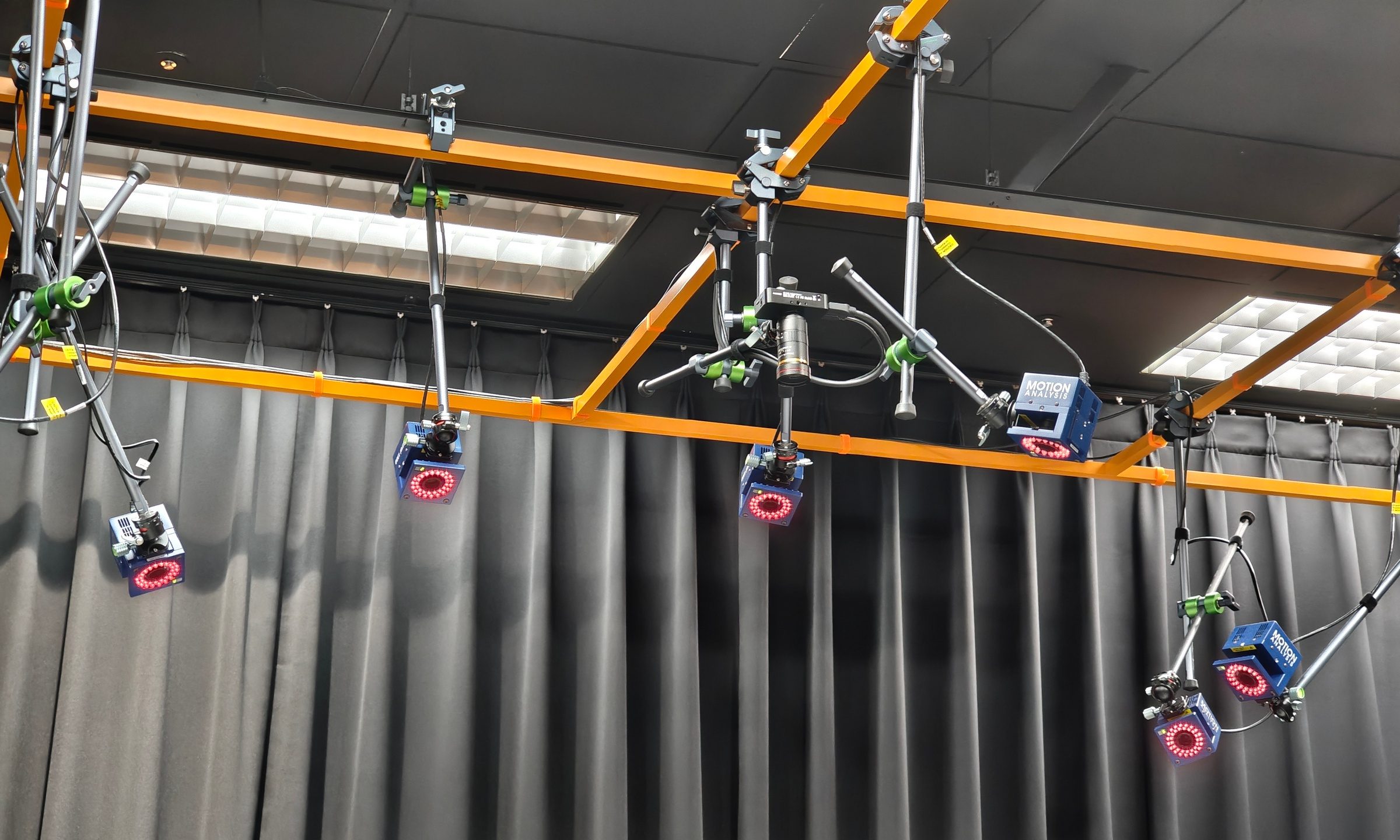
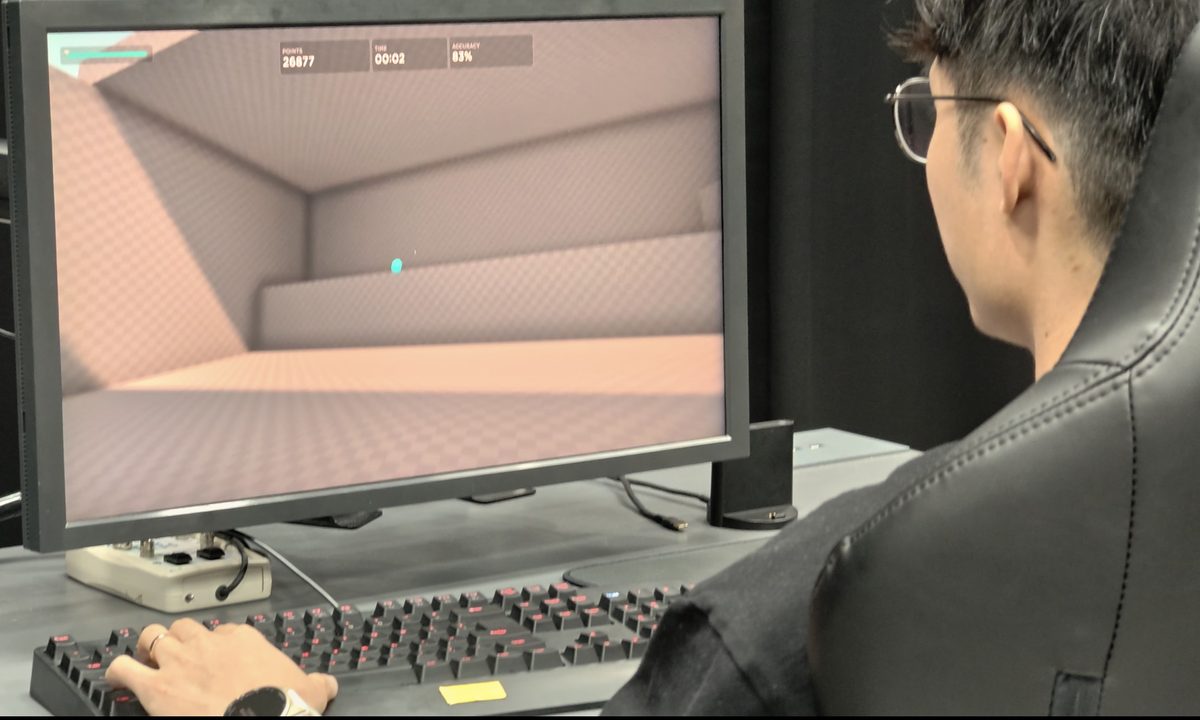
In simpler terms, they are trying to measure why it feels good, where the hand makes contact, how the wrist moves, how fast the mouse travels, what muscles are being stressed, and whether that design actually helps performance. In the demo, the motion-capture setup felt more like something you would expect from a sports biomechanics lab than a global display tech company. Cameras and sensors were mapping hand posture and mouse movement while a player performed in-game tasks.
The big idea was to understand the relationship between the hand and the mouse. A mouse can feel comfortable for five minutes and still become tiring over a long session, while not every shape can support every grip style.
ZOWIE’s strengths were in the boring details
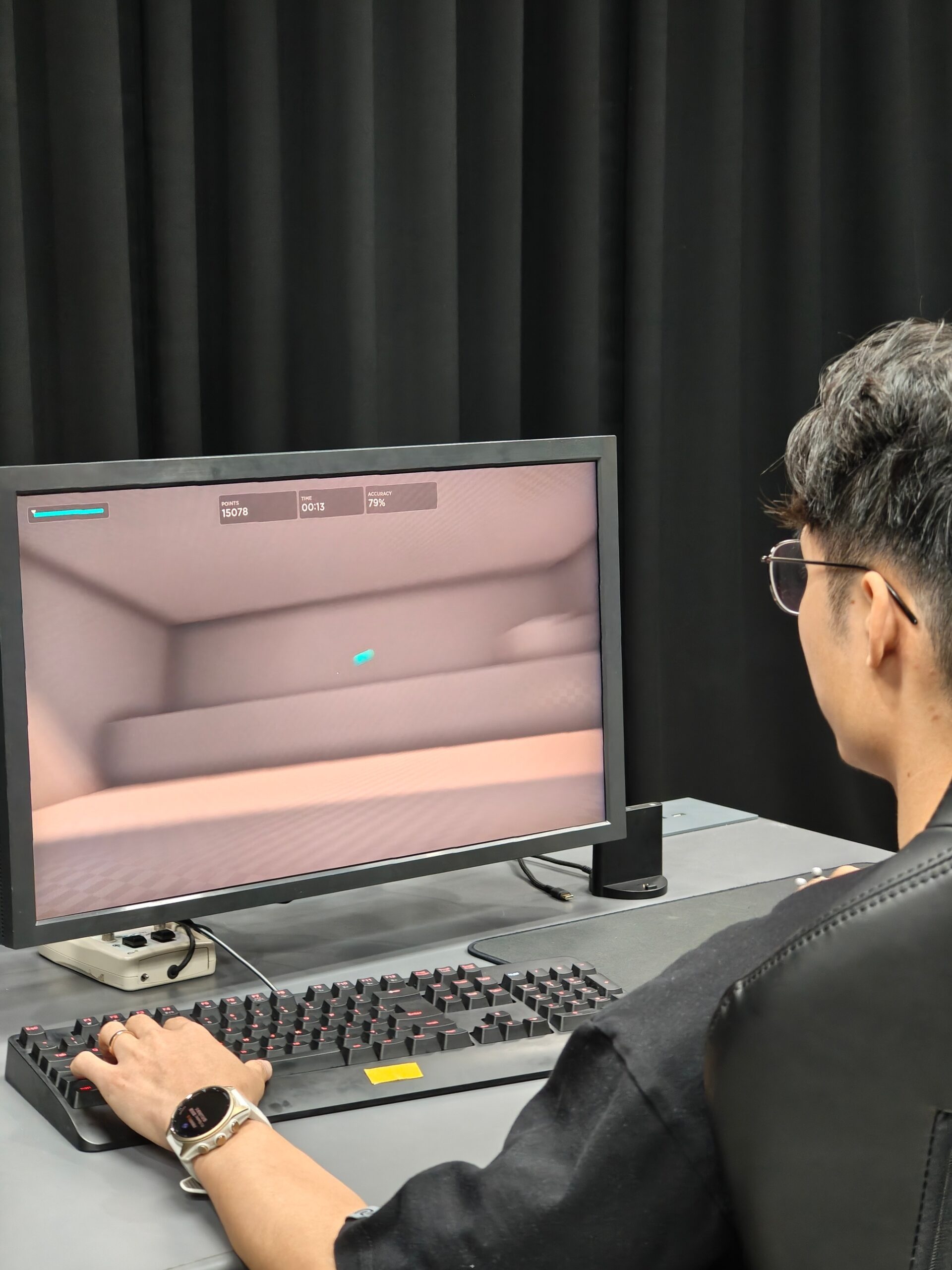
The brand has always had a very focused esports identity. Its modest designs that often lack loud RGB doesn’t inspire the average gamer–but ZOWIE never really cared about just the aesthetics. It is built around competitive function, which is exactly why a lot of pros still swear by the ZOWIE gaming mouse (especially for FPS). Over the years, this evolution has allowed it to shift its focus outside of craftsmanship and player feedback to include scientific and quantitative standards.
I am used to seeing gaming gear marketed with big claims and flashy words. What BenQ showed was something more deliberate with cameras, sensors, hand tracking, muscle data, player feedback, and a genuine attempt to understand how competitive gaming works at the body level. So it is nice to see esports getting the seriousness it deserves.