  1. Home
  2. Computing
  3. News

OpenAI could increase subscription prices to as much as $2,000 per month

Add as a preferred source on Google
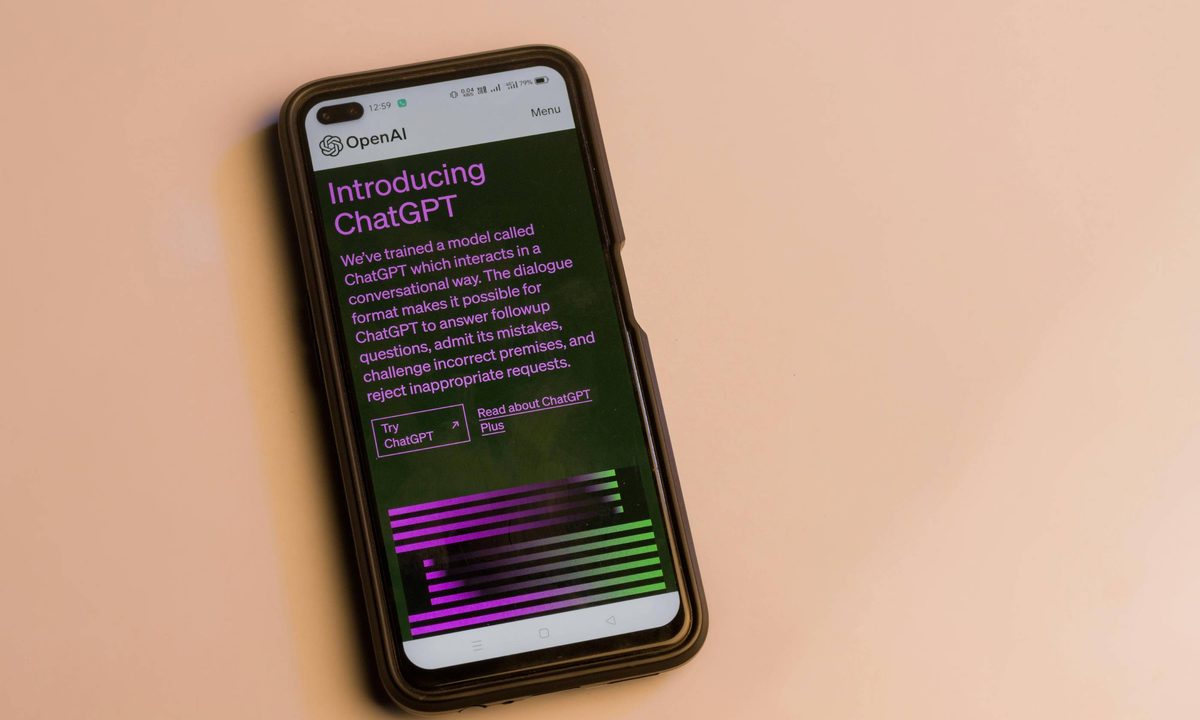
a phone displaying the ChatGPT homepage on a beige bbackground.
Sanket Mishra / Pexels

OpenAI recently surpassed 1 million subscribers, each paying $20 (or more, for Teams and Enterprise), but that doesn’t seem to be enough to keep the company financially afloat given that hundreds of millions of people use the chatbot for free.

According to The Information, OpenAI is reportedly mulling over a massive rise in its subscription prices to as much as $2,000 per month for access to its latest and models, amid rumors of its potential bankruptcy.

Recommended Videos

Anyone can use OpenAI’s ChatGPT service for free; however, subscribers gain priority access to the AI model during times of peak usage, early access to new features, and the ability to create custom GPTs (the company only recently wheeled out its Dall-E image generator from behind the paywall). Citing early internal discussions, The Information reports that OpenAI is reportedly considering hiking the price of access by a whopping 9,900%, however there is no official word yet on the reasoning for such a move. It is also unclear if that price increase would apply to the current ChatGPT service running on the GPT-4o model, or to the upcoming Strawberry and Orion models.

Between hardware procurement, data center infrastructure, energy and cooling, not to mention the cost of actually training a large language model, generative AI is an expensive business. OpenAI, arguably the standard bearer for the industry, reportedly has spent $7 billion on training its models (compared to just $1.5 billion on staffing), is projecting losses of $5 billion (with a “B”), and based on projections, could be filing for bankruptcy within the next year — though a recent round of funding from investors will likely delay the need for drastic financial action.

OpenAI is also facing increased competition from the rest of the generative AI field. Google and Anthropic continue to iterate more competent and capable chatbots while matching OpenAI’s current subscription pricing, and Apple Intelligence is expected to begin rolling out to mobile devices and the desktop next month. This news also comes as investors grow increasingly anxious about the amount of money companies like Google and Microsoft are sinking into AI technology without seeing a particularly strong path to profitability.

Andrew Tarantola
Former Computing Writer
Andrew Tarantola is a journalist with more than a decade reporting on emerging technologies ranging from robotics and machine…
Intel reveals Project Firefly to make cheap Wildcat Lake laptops that rival MacBook Neo
Project Firefly standardizes Wildcat Lake laptop designs so PC makers can chase Apple with lower prices and cleaner hardware
Crowd, Person, Audience

Intel is trying to make budget Windows laptops look a lot less bargain-bin.

Project Firefly, launched in China alongside Intel’s Wildcat Lake laptop chips, gives PC makers a common hardware playbook for thinner, cleaner, lower-cost systems that can take a more direct swing at MacBook Neo. The promise is simple, fewer compromises where budget laptops usually show them most.

Read more
The RAM crisis is about to get uglier, and your new gadgets could pay for it
Nvidia’s next AI monster may squeeze the RAM market even harder
RAM memory chips

The memory market is already in terrible shape, and Nvidia's new Rubin could be kicking it while it's already down. According to a Fast Company report, citing a forecast from Citrini Research, the company's next-gen AI platform could require more than 6 billion GB of LPDDR memory in 2027. With the LPDDR (low-powered memory) primarily being used in phones, tablets, and other portable devices, the price hikes might get even worse.

And if the report is true, Nvidia alone may consume more memory than Apple and Samsung combined.

Read more
LG just announced a 1000Hz gaming monitor that could give you a real edge in FPS games
The UltraGear 25G590B is the world's first Full HD gaming monitor with a native 1000Hz refresh rate.
LG UltraGear 1000Hz monitor featured.

LG has unveiled the UltraGear 25G590B, the world's first Full HD gaming monitor with a native 1000Hz refresh rate. The 24.5-inch display is built specifically for competitive gaming, where faster visual updates can translate directly to quicker reaction times in FPS titles.

Built for competitive FPS, not just benchmarks

Read more