

Apple recently launched its first pair of wireless earbuds with an integrated heart rate sensor. Down the road, this convenience will reportedly arrive on the AirPods family, as well. The uber popular earbuds have already landed their hearing aid clearance, alongside a slew of new wellness-centric features.
The focus is clear. Health-tech is the next great avenue for innovation at Apple.
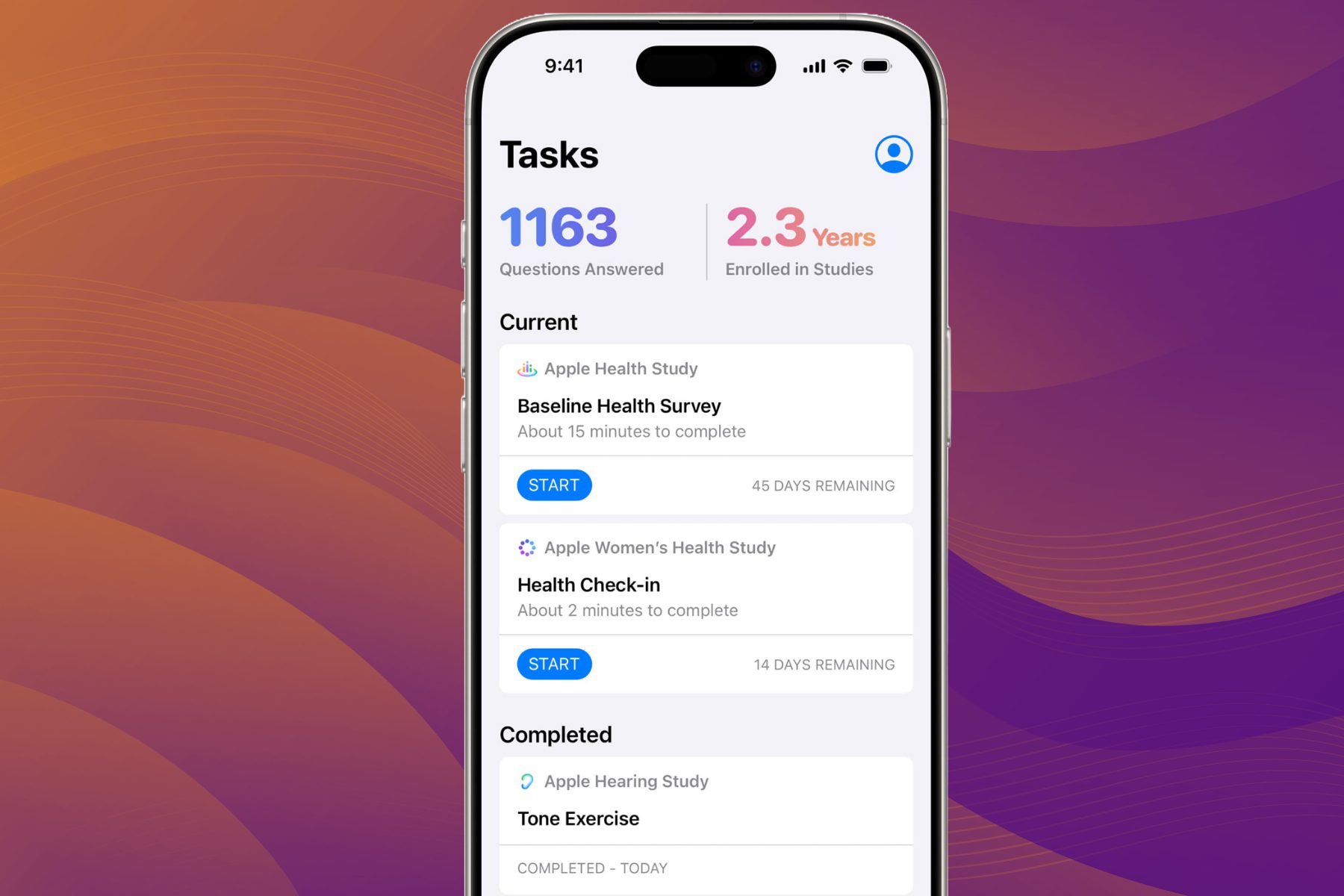
To that end, the company has just announced the Apple Health Study, which aims to collect biomarker information and user inputs to connect the dots between sensor data and the current health status. Onboarding will happen via Apple’s Research app and the focus will be on US citizens who meet the age criteria.
Apple will be working with Brigham and Women’s Hospital to understand how data collected by wearable devices can be used to predict, monitor, manage, and assess a person’s physical and mental well-being.
There’s plenty of precedent for such work. Researchers at the University of Barcelona recently showcased how smartwatch data can be used to predict psychiatric illnesses and trace them down to genetic roots. Experts at Tampere University have developed a framework that can analyze the ECG readings from a smartwatch and detect signs of congestive heart failure with roughly 90% accuracy.
Multiple doctors, including experts from the American Heart Association, recently told Digital Trends that smartwatches can play a complementary role in helping keep track of “healthy habits such as physical activity, heart rate during activity, and sleep habits in several ways.”
Apple is flexing its ecosystem muscle
Apple’s health study simply builds atop an unprecedented strength of its ecosystem. There are millions of users out there who rely on Apple devices, such as the Apple Watch and iPhones, for keeping track of their heart activity, sleep patterns, and workouts.
That massive pool of participants and data is a goldmine for more research, allowing scientists to develop new algorithms and frameworks to get the best out of biomarker data collected by wearable devices.

Apple says the study will broadly focus on “activity, aging, cardiovascular health, circulatory health, cognition, hearing, menstrual health, mental health, metabolic health, mobility, neurologic health, respiratory health, sleep, and more.”
It is, owing to such studies, that the company was able to develop features such as Walking Steadiness on iPhones and the Vitals app for its smartwatch. The company says its new study will try to understand how body signals, both physical and emotional, are tied to the overall health of a person.
Of course, this is scientific research we are talking about, so it’s going to take a few years before the data collected as part of the health study will produce any remarkable findings, or new capabilities. Furthermore, validation and approval by regulatory authorities, both local and overseas, is a long drawn-out process.
Apple’s focus on tech-driven health and wellness is not odd. Back in 2019, CEO Tim Cook told CNBC that health would be Apple’s greatest contribution. In the years that have elapsed since, Apple has made some remarkable advancements, even though the competition has also matured a lot.


