  1. Home
  2. Computing
  3. News

Microsoft announces major AI upgrade for Windows with smarter Copilot feature

Add as a preferred source on Google
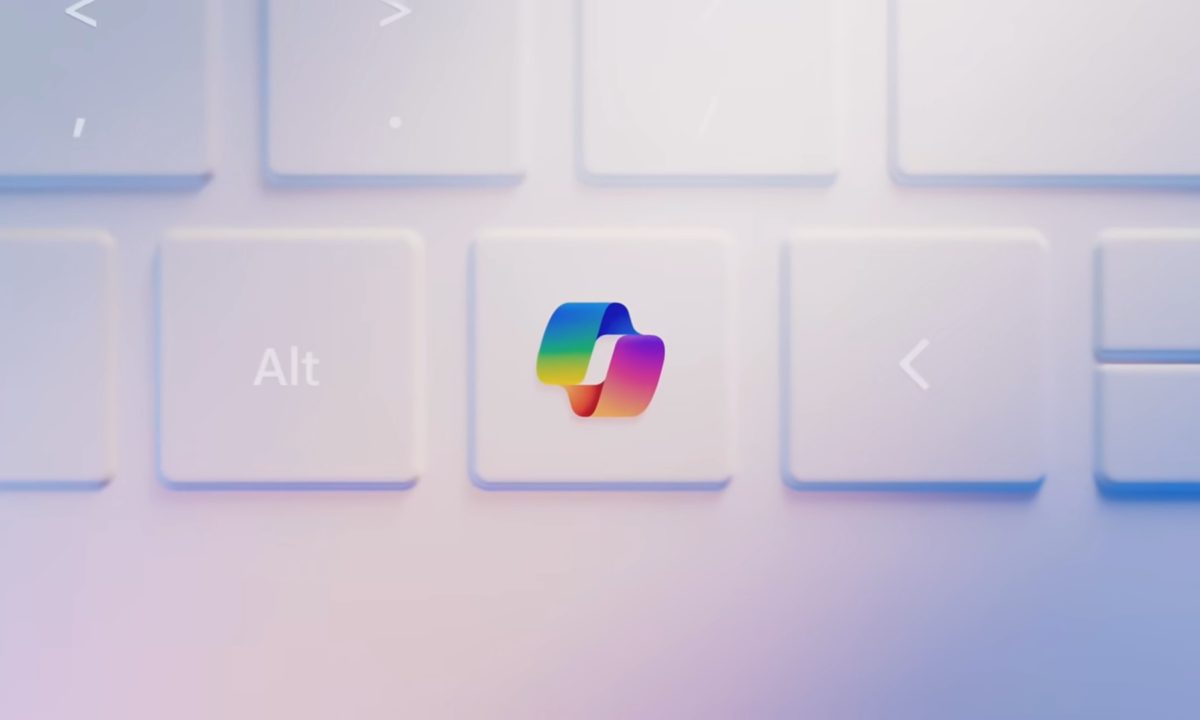
The Copilot key shown on a white keyboard.
Microsoft

Microsoft announced improvements to Copilot in a blog post today, including a new Vision feature that allows the AI assistant to view and interact with users’ Windows screens in real time.

As part of Microsoft’s 50th anniversary, it announced a huge improvement to Copilot, making it more personalized and guiding users through tasks at every step. Microsoft introduced Vision in Copilot for the web last year, but the announcement is now for Windows and mobile. You can use the native Windows app to use Copilot when working across various apps, files, and browser tabs. Vision in Copilot will read your screen and interact with it.

Recommended Videos

You can use Copilot to search, organize files, change settings, and work together on projects without constantly switching apps or files. You can access the Copilot app by pressing Alt + Space or by pressing Alt + Space for two seconds for voice commands. Microsoft says the native Copilot app is available today, but the Vision feature will reach the Windows Insider program first next week for future testing. The software giant didn’t mention a specific general release date, so we can only wait.

During a demo, Microsoft showed how Copilot added a second cursor to guide users by highlighting the buttons they needed to click. For example, in Photoshop, Copilot Vision pointed out specific tools and the steps the user needed to follow next. The Vision feature used voice instructions and visual cues to provide a more interactive experience, which is a giant leap forward.

While Vision could make interacting with your Windows computer easier, giving an AI assistant access to everything on your screen could raise privacy concerns. But Microsoft did say that the sessions are entirely opt-in and ephemeral. Microsoft claims Copilot Vision does not save or use anything it interacts with. Microsoft also says that Copilot Vision can answer questions about what’s on your screen and provides an example by saying, “Imagine you’re trying to furnish a new apartment, Copilot Vision can help you search for furniture, find the right color palette, think through your options on everything from rugs to throws and even suggest ways of arranging what you’re looking at.”

Judy Sanhz
Computing Writer
Judy Sanhz is a Digital Trends computing writer covering all computing news. Loves all operating systems and devices.
Google wants your app code so badly, it’s willing to pay for it
Google is paying for app code, and the reason is exactly what you think.
Google Logo

Google has been quietly reaching out to Android developers with an offer to buy access to their code. As reported by 404 Media, the company sent emails to a select group of Google Play developers, inviting them to join what it calls a "confidential content offer pilot." 

The email frames it as a revenue opportunity, saying developers can "get paid for sharing the code powering your apps, as well as your archived projects." Google adds that developers retain their intellectual property rights and that the license is non-exclusive.

Read more
Nvidia confirms more RTX Spark processors are coming with N2X and N3 series lined up
Huang confirming a multi-generation roadmap before the first device has even shipped is the clearest signal yet that this is a decade-long commitment.
nvidia-rtx-spark

The PC and laptop industry has run on Intel and AMD silicon so long that most people don’t even question whether these are the only options. 

Nvidia just answered that question at Computex 2026, in the form of the RTX Spark superchip, and Jensen Huang’s comments about what comes next suggest that it wasn’t a one-time experiment. 

Read more
AI fitness coach senses the muscle mechanics as you exercise and prevents rookie injuries
Most fitness apps offer encouragement dressed up as coaching, but BioCoach offers anatomy-specific corrections, and I could see it becoming a smartphone app real soon.
Woman exercises with her Apple Watch and Dexcom G7.

During the pandemic, the US Consumer Product Safety Commission recorded a 48% spike in at-home exercise injuries. You might think that the culprit was bad equipment, but it was bad form. People had no coach around to correct it.  

Researchers at Drexel University and Michigan State University have built a prototype that addresses exactly that problem, in real time, using your phone camera, and there’s real potential for it to become a legitimate fitness app in future (via Tech Xplore).

Read more