What’s happened? If you thought the news around RAM and SSD prices surging couldn’t get any worse, well, do we have some worse news for you. Micron has officially announced that it will exit the Crucial consumer business, marking the end of one of the most recognizable names in PC memory and storage for everyday buyers. The decision means Micron will no longer sell RAM and SSDs to consumers under the Crucial brand, even though Micron will continue making memory for enterprise, data centers, and AI customers. For PC users, this is less about corporate strategy and more about losing a familiar, reliable upgrade option.
- Micron confirmed it is winding down Crucial’s consumer SSD and RAM business and shifting full focus to AI, enterprise, and hyperscale customers.
- Crucial has long been Micron’s direct-to-consumer brand for affordable and compatible storage and memory upgrades.
- Existing Crucial products will remain on shelves only until inventory runs out, with no new consumer models planned.
- Micron says the move is driven by soaring demand for AI memory, which is now more profitable than consumer parts.
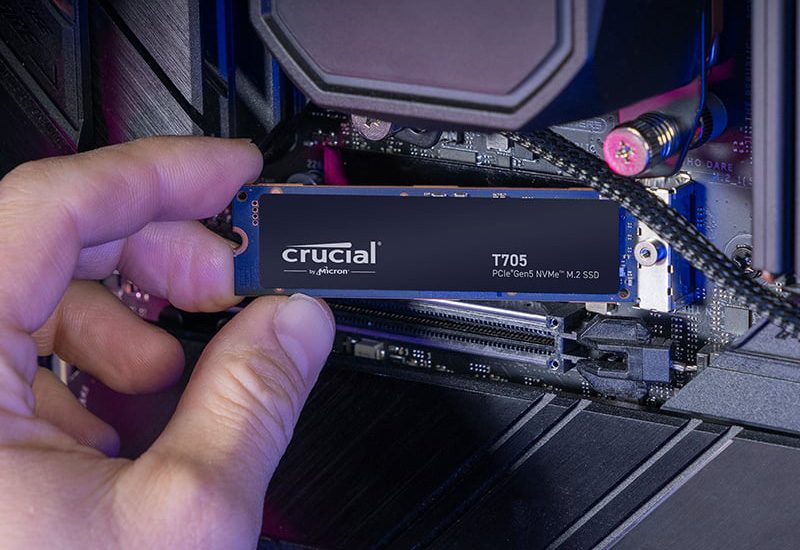
Why this is important: For years, Crucial wasn’t just another PC parts brand. It was the safe, no-drama choice for upgrading laptops, desktops, and gaming rigs. If you ever used its compatibility checker and confidently bought RAM or an SSD that “just worked,” that’s the consumer-friendly ecosystem that’s now fading away. Its exit reshapes the everyday upgrade experience in a very real way, especially for people who don’t want to gamble on parts.
Crucial also quietly helped keep prices honest. By selling Micron’s memory directly to consumers, it often sets the pricing benchmark that puts pressure on premium brands like Samsung and Western Digital. With Crucial stepping back, fewer big-name players remain focused on budget and mid-range buyers. Yes, there are still cheaper brands out there, but trust was Crucial’s superpower. Replacing that kind of reliability with unfamiliar labels may make future upgrades feel riskier and a lot less straightforward for non-enthusiasts.

Why should I care? With Crucial ending business, one of the easiest and most beginner-friendly upgrade paths is now disappearing. Future buyers may have to rely more on third-party brands they don’t fully recognize, or pay a premium for remaining “trusted” names. Add to that, with RAM and SSD prices already under pressure from AI-driven shortages, Crucial’s exit removes a stabilizing force in the consumer market. That doesn’t guarantee higher prices overnight, but it does increase the odds that upgrades become more expensive, harder to find, or packed with confusing model choices. Furthermore, for small PC builders, students, remote workers, or anyone trying to stretch an older system for a few more years, Crucial’s disappearance makes upgrades just a little less simple and a little more intimidating.

Okay, so what’s next? In the short term, you’ll still see Crucial products on store shelves until current inventory sells through, so if you were already planning a RAM or SSD upgrade, this might be the moment to move. PC buyers will likely see fewer “plug-and-play” upgrade options and more careful shopping ahead, especially if memory shortages continue and consumer-focused brands keep thinning out. Meanwhile, you can expect the consumer market to lean harder on brands like Samsung, Kingston, and WD.