  1. Home
  2. Audio / Video
  3. News

Ongoing memory crisis, along with panel shortages, could push TV prices higher

Supply constraints, shifting production priorities, and rising component costs are reshaping the economics of the global TV market.

Add as a preferred source on Google
TV round up
Amazon

The memory shortage crisis has already hit smartphones, and soon you’ll see the domino effect reach other consumer electronic products, including televisions (and possibly other home appliances).

At CES 2026, Samsung’s co-CEO, TM Roh, told Reuters that “no company is immune” to the global shortage of memory chips. Given that Samsung’s smart TVs, especially the high-end models, use a fair amount of memory, the rise in component cost might soon show up in the price tag.
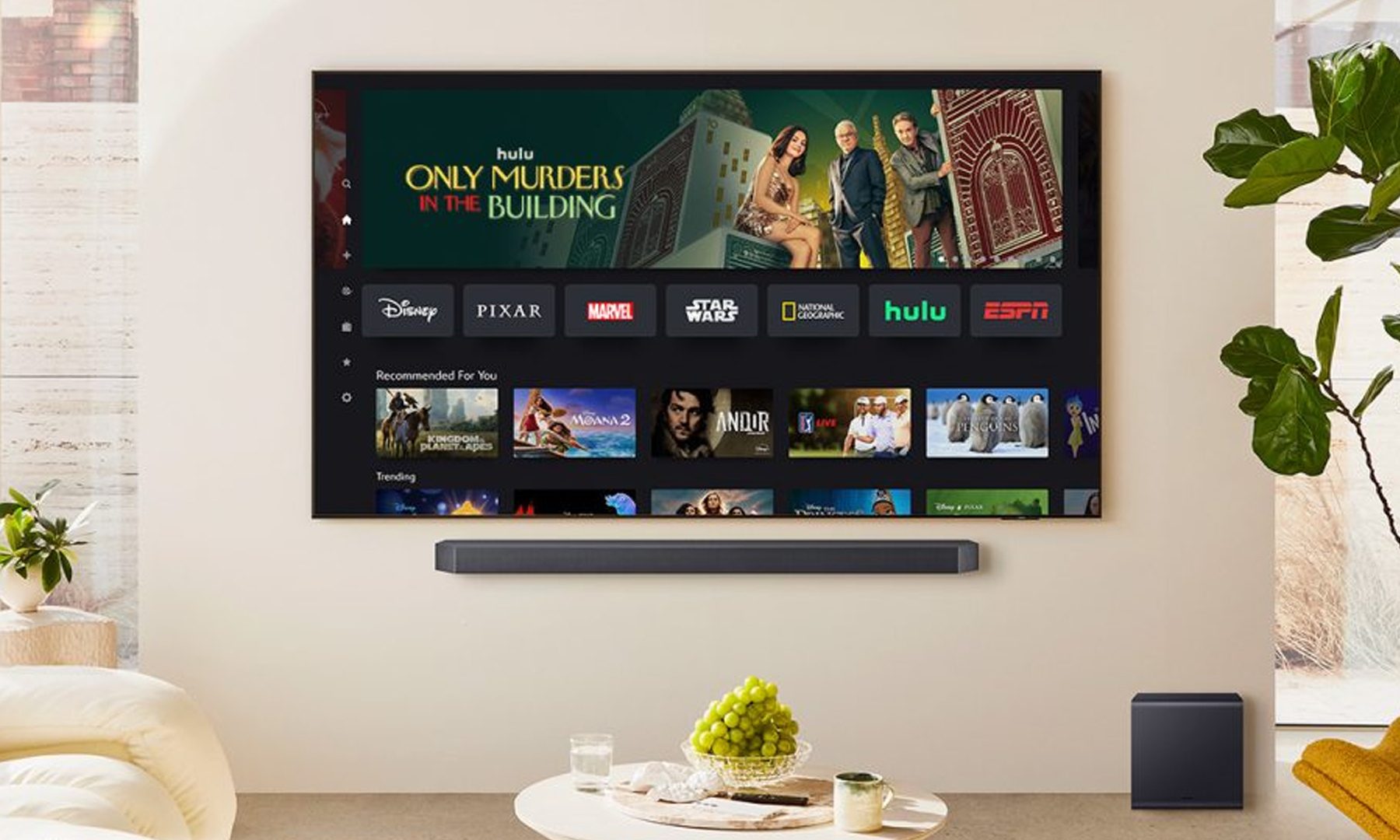
LCD panel production cuts are adding new cost pressure

Meanwhile, LCD panel manufacturers are also seeing constrained output (compared to the demand). According to a new report by The Elec, major Chinese panel manufacturers, including HKC, BOE, and CSOT, “plan to suspend operations” at their factories next month to “reduce labor costs” and “ease inventory burdens.”

Recommended Videos

This could lead to a reduction in the number of panels that come out of the production line. The decrease in supply for LCD screens (3.8%) is more than twice the decrease in overall demand (1.8%), which could lead to a tight phase for the panel market in the first quarter of 2026.

The aggressive stocking up of components such as memory and display panels by smartphone and TV manufacturers could be yet another reason for an inevitable price hike. While this front-loaded buying may help cushion prices and stabilize production in the short term, manufacturers might be forced to enter a tighter market once the inventory ends.

This could increase production a few months into 2026, if not in January, and ultimately push finished TV prices above current levels. A recent report from TrendForce suggests that “TV panel prices are expected to turn upward in January,” with the costs of 32-inch, 43-inch, 55-inch, and 65-inch panels “set to increase by US$1.”
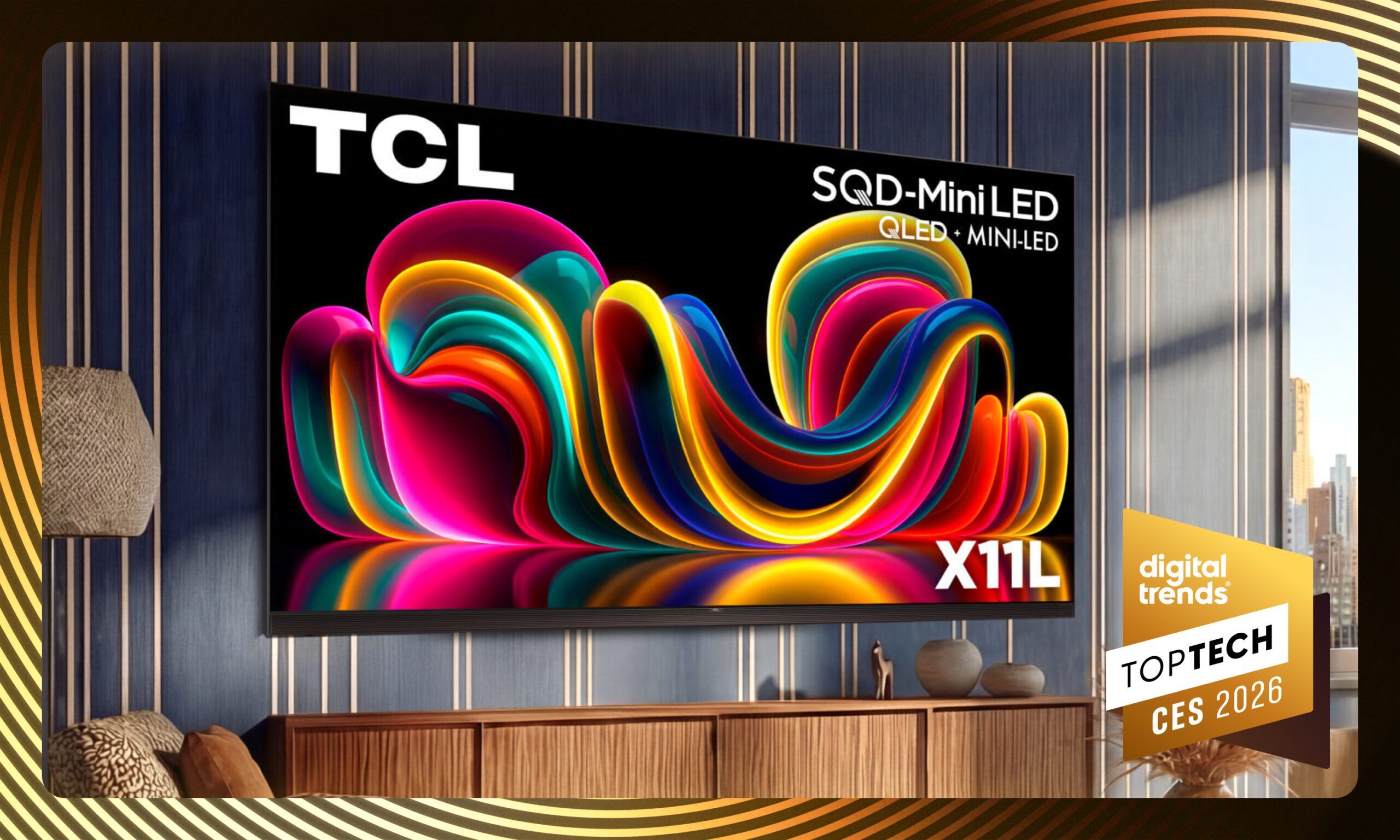
While it might sound negligible, the report mentions that TV panel prices are “set to enter an upcycle” from the first quarter in 2026, and that the February product cuts could “further drive LCD monitor prices.” Given that LCD panels still account for around 95% of global TV shipments, even a tiny rise in panel costs could affect the entire industry, across price segments and regional markets.

From what it sounds like, the long-running era of ever-cheaper televisions may be nearing a temporary pause. Due to factors such as rising memory costs, planned production cuts, and manufacturers storing more pre-built inventory, the cost pressure isn’t immediately visible in the supply chain, but it is surely building.

Yes, TV prices might not rise overnight, but if component constraints persist after the first quarter, companies might pass on higher manufacturing costs to customers through a minor price hike. We’ll get more clarity on this as the wave of new televisions from companies like Samsung and LG — announced at CES 2026 — hits the market in a few months.

Shikhar Mehrotra
For more than five years, Shikhar has consistently simplified developments in the field of consumer tech and presented them…
A guide to Sony’s 2026 TVs and home theater lineup
Sony’s latest BRAVIA lineup introduces True RGB technology alongside new TVs and home theater audio products.
BRAVIA 7 II

Sony thinks it may have cracked the code for home theater this year. The company is not just launching new TVs. Instead, it is rethinking how televisions create color with a new technology called True RGB, while also expanding its home theater lineup with products like the BRAVIA Theater Trio. After getting an early look at the lineup in New York, it became clear why Sony believes True RGB could be one of the biggest stories in its 2026 portfolio.

The technology was the centerpiece of Sony's presentation, but the broader message was equally interesting. According to the company, many premium TVs are still optimized for ideal viewing conditions rather than the environments where most people actually watch television. Sony shared data suggesting that only around 13% of viewers watch content in settings similar to a movie theater or professional grading suite. The remaining 87% are watching in bright living rooms, open floor plans, and spaces where lighting conditions constantly change throughout the day.3

Read more
Sony’s new 135-inch display is basically boardroom excess in its finest form
Sony’s 135-inch Crystal LED UNIFY is a massive screen built for serious work
Sony Crystal LED Unify in a meeting room

Sony Electronics is making a massive upgrade to the humble meeting room screen. The company has just unveiled Crystal LED UNIFY, a massive 135-inch all-in-one direct-view LED display designed for boardrooms, meeting rooms, community spaces, and higher education environments.

At a glance, it might look like Sony's next massive flagship living room TV, but it's cutting edge display tech arriving to the office space. It is part of Sony’s professional display lineup and sits alongside its existing BRAVIA Professional Displays and Crystal LED portfolio. The model number is ZRL-135SG, and Sony is positioning it as a simpler way for organizations to add a large dvLED display without dealing with the usual complexity of custom LED wall projects.

Read more
Marshall’s new Stockwell III fixes the problem most Bluetooth speakers ignore
Electronics, Speaker, Person

For years, Bluetooth speakers have followed a familiar formula: better sound, longer battery life, maybe a splash of waterproofing, and then onto the next model. Marshall’s new Stockwell III certainly checks those boxes, but its most interesting upgrade isn’t about audio at all. It’s about staying alive longer.

The Stockwell III arrives as Marshall’s first refresh of the portable speaker since 2019, carrying forward the same road-ready design with its signature carrying strap and retro-inspired aesthetic. At first glance, it looks like a predictable update. Underneath, however, Marshall is making a subtle but meaningful shift toward repairability.

Read more