
  1. Home
  2. Computing
  3. News

Meta is secretly working on an AI detection tool after unleashing AI slop avalanche

AI detector spotted in development inside Meta AI

Add as a preferred source on Google
meta-ai-detector-tool
Meta

Meta may soon help you spot AI-generated content, even though its own tools helped flood the internet with it.

The company is reportedly developing a built-in AI detector for Meta AI. This feature that could allow users to upload and analyze content to check whether it was created using artificial intelligence.

Recommended Videos

A new “AI Detector” menu option was first spotted by TestingCatalog and reported on X. Early screenshots suggest the feature will appear directly inside the Meta AI interface.

Meta is working on AI Detector feature for Meta AI.

100% AI 🤖 pic.twitter.com/pdfrsResj1

— TestingCatalog News 🗞 (@testingcatalog) March 15, 2026

Meta’s AI detector is under development

The tool was most likely discovered by enabling internal feature flags in the app’s code. Since the AI detector is still under development, its full capabilities remain unclear.

The detector itself is not active on Meta’s servers yet, and clicking on the AI Detector option simply leads to a broken link.

Since the feature cannot be accessed, it is difficult to determine everything it will eventually do. It may only identify AI-generated text at first and later expand to detect images, audio, or even video.

Is Meta trying to clean up the AI slop it helped create?
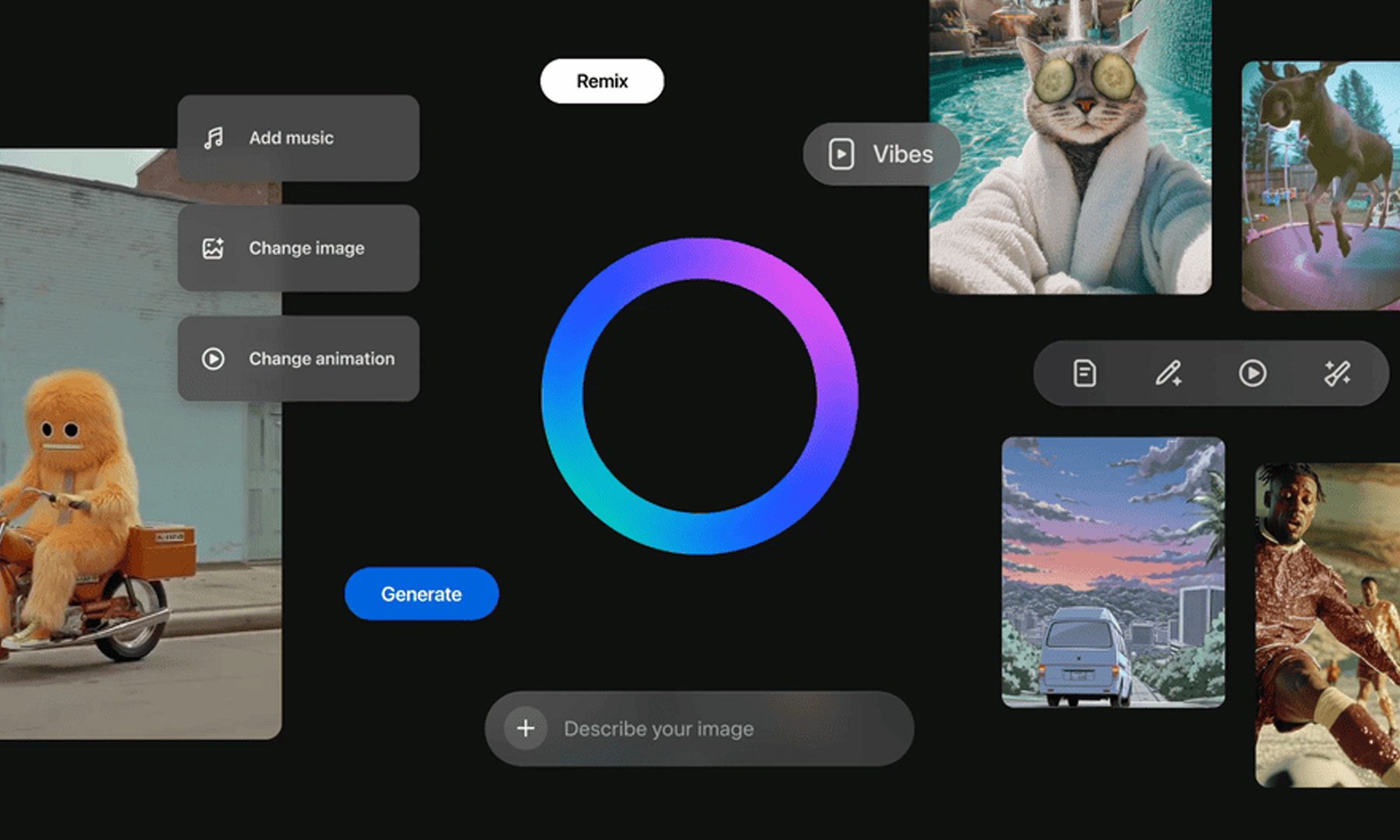
Meta has been pushing generative AI tools across its platforms, including Meta AI features that can quickly generate images and other media. The company is also testing a standalone Vibes app where everything you scroll is AI-generated.

Those same tools have contributed to a surge of AI slop, which is a basically low-effort synthetic content spreading across social media feeds. Now Meta appears to be building a system that could help identify the very kind of content its technology creates.

It is also unclear whether the detector will identify AI-generated content from any model or only those built by Meta. Google already offers a similar AI video detection tool in Gemini, and Meta may be moving in the same direction.

Since Meta’s AI detector has not been officially announced, the feature could still change before a public release.

Manisha Priyadarshini
Manisha Priyadarshini is a tech and entertainment writer with over nine years of editorial experience.
Sony shows off AI-touched Xperia 1 VIII camera samples. It’s an epic self-own that I can’t digest
Sony built the Xperia 1 series for people who know what a histogram looks like. Xperia Intelligence appears to have been built for everyone else, and the sample images make that tension impossible to ignore.
Sony aggressive AI photography featured.

Sony has a camera legacy that most brands, regardless of whether they make cameras or smartphones, dream of. The company rewrote what full-frame sensors could do with its Alpha series. 

That particular rendering of skin tones, that restraint with saturation, the commitment to accurate white balance; the company’s color science is precisely why cinematographers, videographers, and photographers like me, in the consumer tech space, swear by its color science and camera hardware. 

Read more
Razer’s new Blade 18 gets Arrow Lake refresh and a modest $3,999.99 starting price
For $3,999.99, you get the base model with Nvidia RTX 5070 Ti. A 5090 variant is available, too.
Razer Blade 18.

Razer has officially unveiled the 2026 Blade 18 today, and at the heart of all three configurations is an Intel Arrow Lake processor. 

I’m talking about the Core Ultra 9 290HX Plus, which features 24 cores, up to 5.5GHz clock speed (with boost), 36MB cache, and an onboard NPU that delivers up to 13 TOPS of compute power. 

Read more
Windows 11 will clean up its own driver mess so you don’t have to
Say goodbye to the nightmare of hunting down broken drivers after a bad Windows update.
Surface laptop on wooden table

It seems that Microsoft is keeping up its promise of making Windows 11 better. After introducing a new low-latency mode that speeds up app launches and an update that fixes the RAM memory leak issue, the tech giant is testing a new feature that addresses one of its most prominent problems. 

The new feature is called Cloud-Initiated Driver Recovery, and it can automatically roll back a broken driver that was pushed to your PC through Windows Update. 

Read more