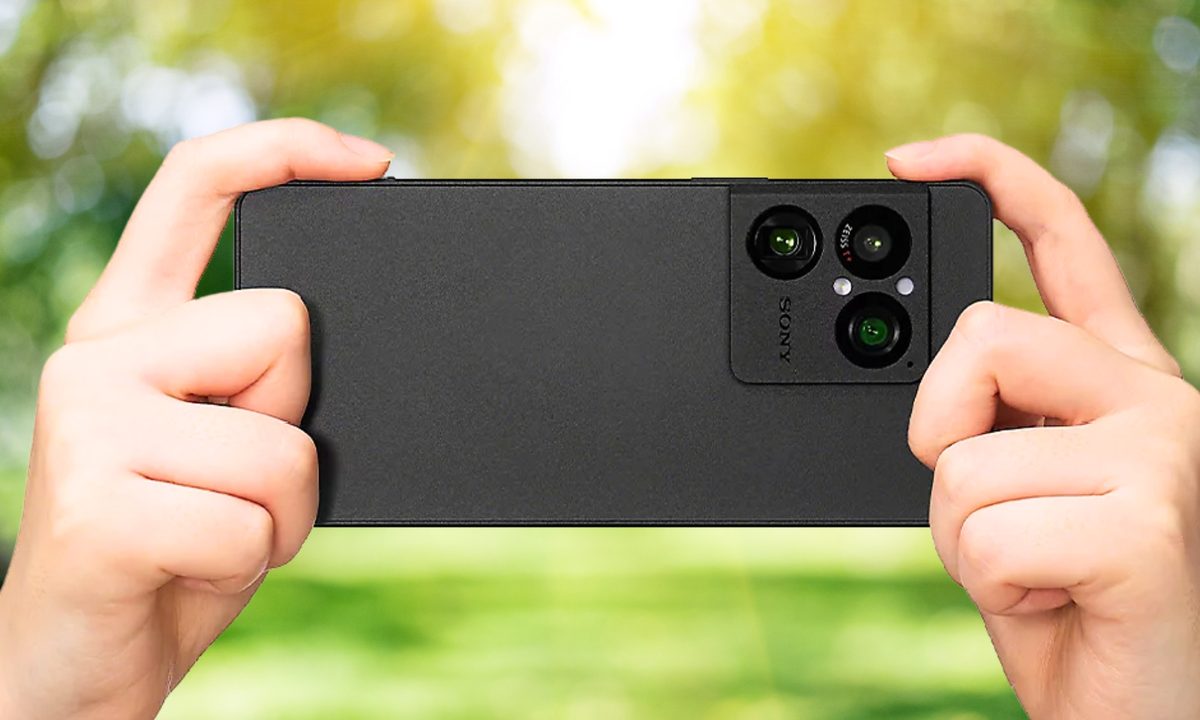
Sony has a camera legacy that most brands, regardless of whether they make cameras or smartphones, dream of. The company rewrote what full-frame sensors could do with its Alpha series.
That particular rendering of skin tones, that restraint with saturation, the commitment to accurate white balance; the company’s color science is precisely why cinematographers, videographers, and photographers like me, in the consumer tech space, swear by its color science and camera hardware.
So when the official Sony Xperia X account posted “Origin vs. AI Camera Assistant” side-by-side comparisons, particularly to promote the Xperia Intelligence on the company’s new Xperia 1 VIII, I kept staring at my screen for minutes. Not in admiration, but in genuine disbelief. I’d say this bluntly: whoever approved those samples has either never used a Sony Alpha series camera, or never spoken to someone who does.
What exactly is Sony’s Xperia Intelligence actually doing to these images?
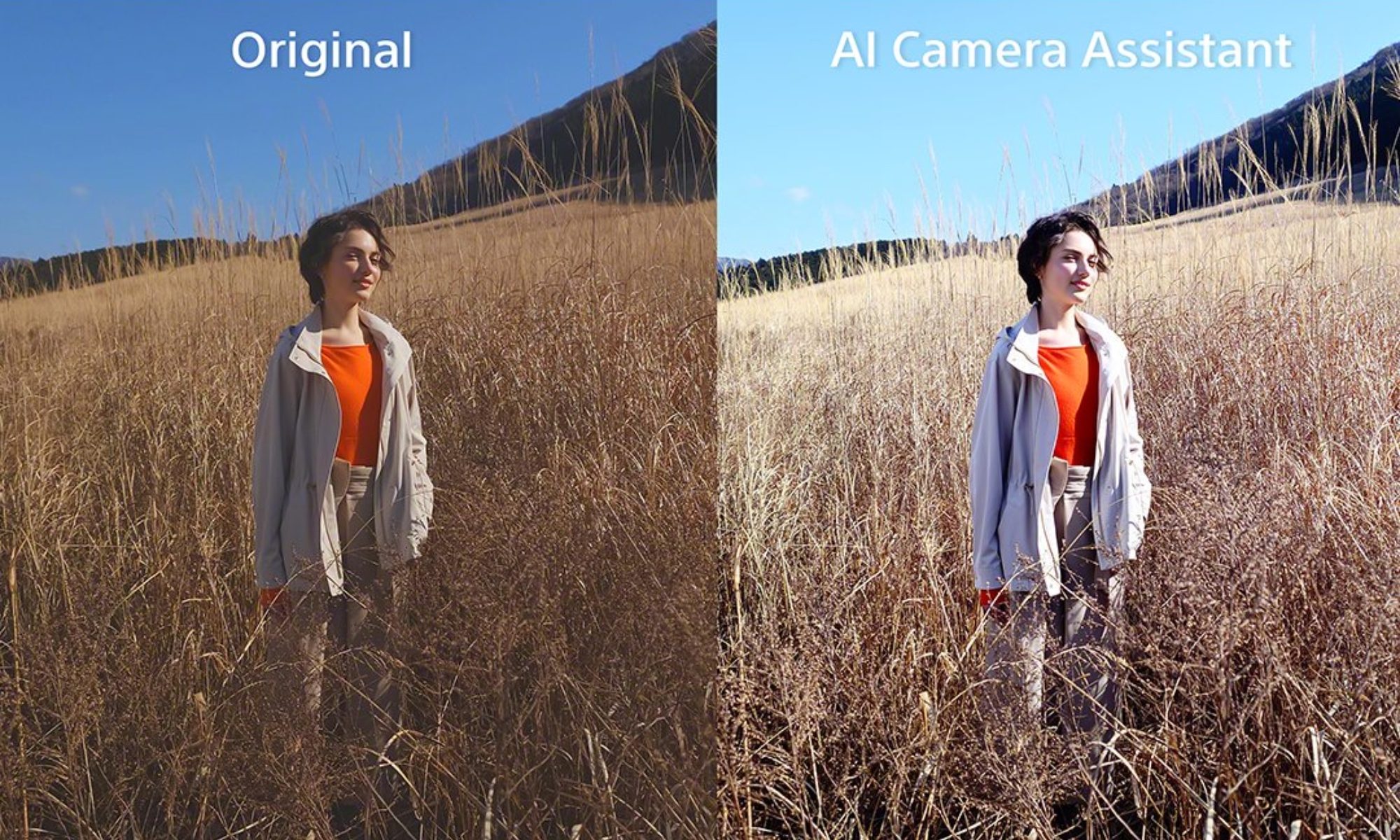
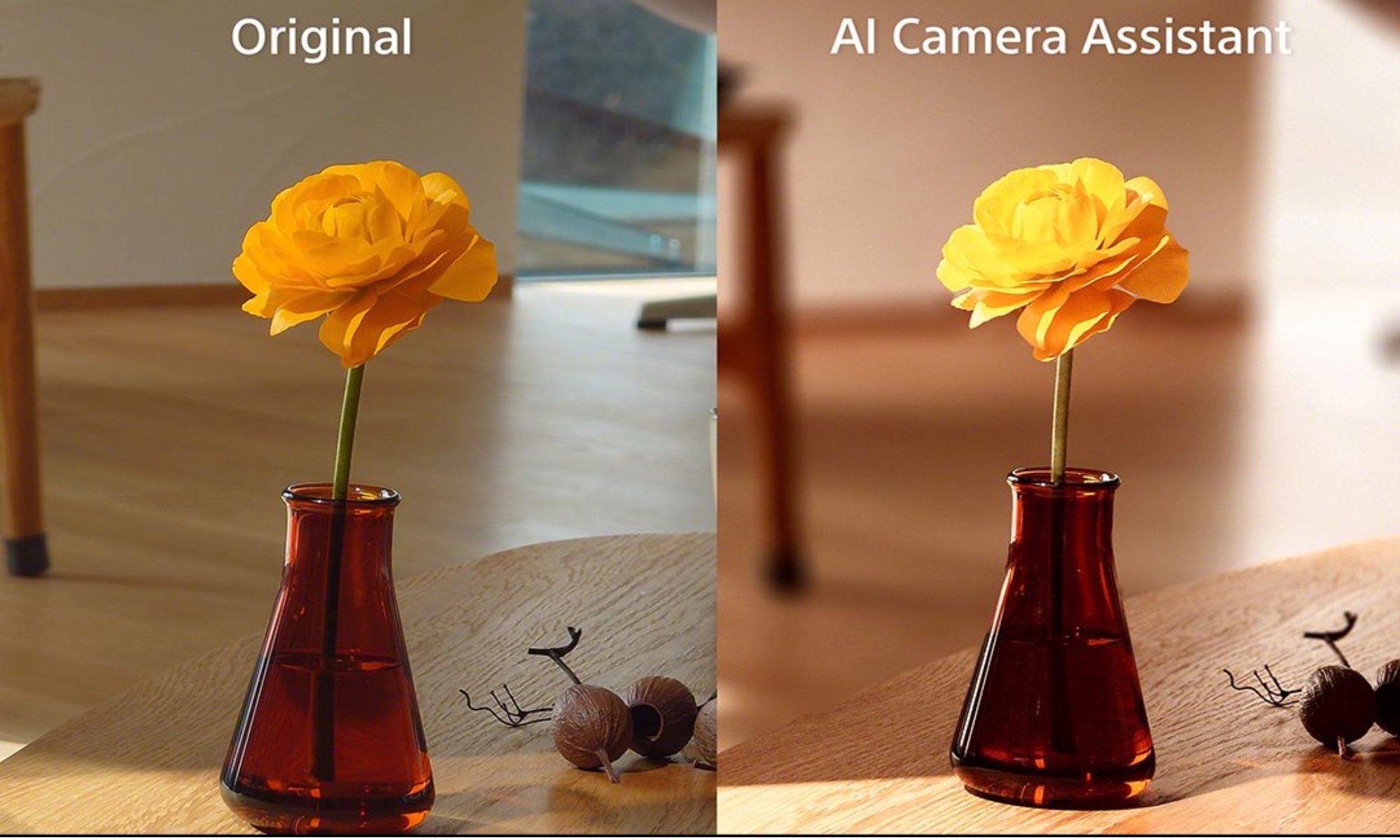
Let me walk you through this in technical terms, because what’s happening in those pictures deserves a discussion. In the first portrait shot, Sony’s Xperia Intelligence has boosted mid-tone exposure so aggressively that it has clipped the highlights across the grass and the subject’s face.
The details are blown away, while the dynamic range is all messed up. Similarly, in the shot with the vase, the new AI-based algorithm has crushed the shadows so hard that the floor loses all its texture. While the original picture has some depth and visible wood grain, the edited one looks like it has a flat, high-contrast filter applied, with the intensity slider dragged all the way up.
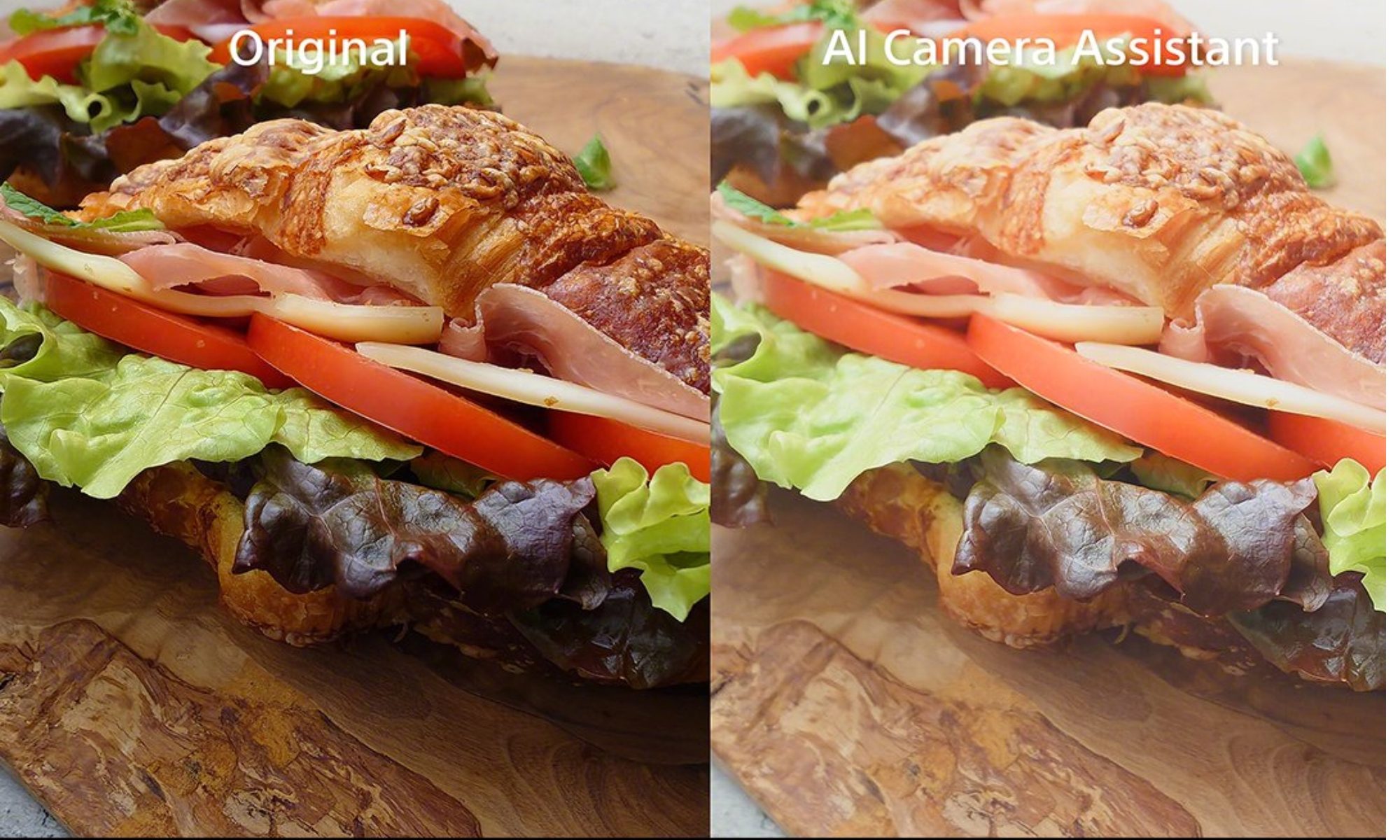
Then there’s the sandwich. I genuinely can’t figure out what Sony’s AI saw when it decided those reds and greens needed to be desaturated. Seriously, it looks like someone tuned up the exposure and brightness sliders on the picture, without realizing that they’re blowing up the finer details and the colors.
Across all three samples, the AI introduces a forced yellow-orange warmth, in different intensities, an artificial white-balance shift that moves every shot away from neutral or natural colors toward what looks like an Instagram or Snapchat filter. They all looked like they were captured from a sensor pushed way past its native ISO ceiling, with plenty of noise.
I’d say that all the pictures looked better the way they were, but Sony’s AI Camera Assistant or Xperia Intelligence fixed them in a way that’s beyond any post-production repairs. And mind you, the pictures have been posted to promote the exceptional photography results that buyers can achieve with the new Xperia 1 VIII.
Sony can’t afford an identity crisis
The Xperia 1 series has always been Sony’s answer to the question: what if a smartphone camera behaved like the one on a camera? However, what Xperia Intelligence appears to be doing is chasing the aggressively and unnecessarily processed, high-vibrance aesthetic, that, I’d say, looks worse than what a Samsung, Google, or Apple smartphone would have processed.
While the originals in the tweet are genuinely well-exposed, have natural-looking colors, and a decent amount of dynamic range, the AI versions look like the Xperia’s camera got bored with being too good. For those who are buying the Xperia 1 VIII for its camera, and that’s almost certainly the reason why they would, get comfortable with the settings menu early; that’s all I have to say.