  1. Home
  2. Computing
  3. News

Intel Core Series 3 processors are here and they promise more performance for less money

Intel just launched budget-friendly Core Series 3 chips with AI-ready upgrades

Add as a preferred source on Google
Intel's latest Core Series 3 Promo Image
Intel

Intel has just launched its new Core Series 3 mobile processors for the next-generation of affordable laptops. The goal of these new chips is to give a more modern foundation to these accessible notebooks without dragging them into premium pricing territory.

The official announcement of the new lineup is aimed at value buyers, schools, small businesses, and essential edge devices. But the highlight is that these chips are still based on the same broader foundation as Intel’s powerful new Core Ultra Series 3 family. So it still uses Intel’s 18A process node, features the hybrid CPU architecture, AI-ready capability, and updated connectivity to more affordable systems.

How Intel is bringing nicer features downmarket

Raise expectations for what everyday computing can deliver with #IntelCore Series 3 mobile processors—designed to transform computing for schools, small businesses, and value buyers while delivering the features people care about at unmatched scale.

Read the press release:… pic.twitter.com/sPHcLNE7jF

— Intel (@intel) April 16, 2026

Intel says Core Series 3 is its first hybrid AI-ready Core Series processor, with support for up to 40 platform TOPS. You even get modern connectivity with up to two Thunderbolt 4 ports, Wi-Fi 7, and Bluetooth 6.

Recommended Videos

The company is also making big value claims against older PCs, with the Core Series 3 delivering up to 47% better single-thread performance, up to 41% better multi-thread performance, and up to 2.8x better GPU AI performance compared to a typical five-year-old PC. Against the previous-gen Core 7 150U, Intel also claims up to 2.1x faster creation and productivity, 64% lower processor power, and up to 2.7x AI GPU performance.

Why these are still everyday laptop-friendly

Under the hood, Intel’s Core Series 3 platform supports up to 2 Cougar Cove P-cores and 4 Darkmont LP E-cores, plus NPU 5, Xe graphics, support for LPDDR5X-7467 and DDR5-6400, and a design clearly tuned around battery life and lower-cost system builds. Intel also says the platform supports either UFS 3.0 or Gen 4 SSD storage, depending on system design.

In other words, the Intel Core Series 3 is making the next wave of affordable laptops feel less cheap in areas like battery life, responsiveness, video calls, light AI tasks, and basic creative work.

Intel Core Series 3 processor specs

ProcessorCores / ThreadsMax Turbo (GHz)NPU TOPSXe-coresGPU TOPSBase & Max Power
Intel Core 7 3606 / 64.81722115W-35W
Intel Core 7 3506 / 64.81722115W-35W
Intel Core 5 3306 / 64.61622015W-35W
Intel Core 5 3206 / 64.61622015W-35W
Intel Core 5 3156 / 64.41521815W-35W
Intel Core 3 3045 / 54.3151915W-35W

When do they drop?

Intel says more than 70 designs from OEM partners are on the way, with availability starting April 16, 2026 for consumer and commercial systems, while edge systems will start shipping in Q2 2026. The long list of partners include Acer, Asus, Dell, HP, Lenovo, MSI, Samsung, and others.

The announcement sounds great, on paper, but with the industry-wide price hikes, we’ll have to wait for the upcoming laptop releases to see if they are truly a solid value purchase.

Vikhyaat Vivek
Vikhyaat Vivek is a tech journalist and reviewer with seven years of experience covering consumer hardware, with a focus on…
TSMC’s latest chip packaging breakthrough promises lower costs and better performance
Analyst Ming-Chi Kuo says the new CoPoS technology could make AI chips cheaper and more powerful.
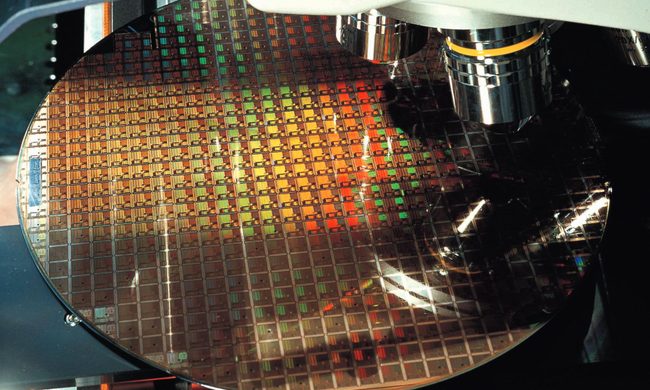
TSMC Silicon wafer

Making chips smaller has dominated the semiconductor conversation for years, but TSMC's next big leap may come from how those chips are packaged instead. According to analyst Ming-Chi Kuo, the company is developing a new Chip-on-Panel-on-Substrate, or CoPoS, technology that promises lower manufacturing costs while delivering better performance for future AI processors.

TSMC's CoPoS packaging could make future AI chips both cheaper and faster

Read more
Best laptops coming in 2026 after Computex
From RTX Spark powerhouses to next-gen ultrabooks, these laptops are truly worth waiting for.
ASUS ROG Strix Scar 18 Computex 2026 Other

Every Computex promises the next big thing, but only a handful of laptops actually feel worthy of the hype. After spending time exploring the show floor and seeing these devices up close, one thing became abundantly clear: 2026 isn't just about faster processors. It's about smarter laptops, better portability, and AI features that are finally starting to feel useful instead of being another sticker on the palm rest.

A big part of that shift is NVIDIA's new RTX Spark platform, which made its way into several premium creator machines this year. Rather than diving into its technical details yet again, let's focus on the laptops themselves, because each manufacturer has taken the platform in a very different direction.

Read more
The Biggest PC hardware trends from Computex 2026
These six trends could define the next chapter of PC computing.
MSI MAG Gaming setup at Computex 2026

Every Computex has its headline-grabbing announcements. There's always a faster processor, a shinier graphics card, or a laptop that's somehow even thinner than last year's model. But after spending several days wandering the halls of Computex 2026, talking to engineers, trying products, and occasionally getting lost between exhibition booths, I came away with a very different takeaway. That said, this year's show wasn't really about individual products. Rather, it was about the direction the industry is heading. Instead of chasing flashy specifications for the sake of marketing slides, manufacturers finally seem focused on solving real problems.

The MacBook Neo effect is impossible to ignore

Read more