  1. Home
  2. Computing
  3. News

Your next laptop may cost more as PC makers like ASUS and HP brace for price hikes

Global memory crunch are pushing brands to raise prices.

Add as a preferred source on Google
Crucial Memory and SSD
Crucial / Micron

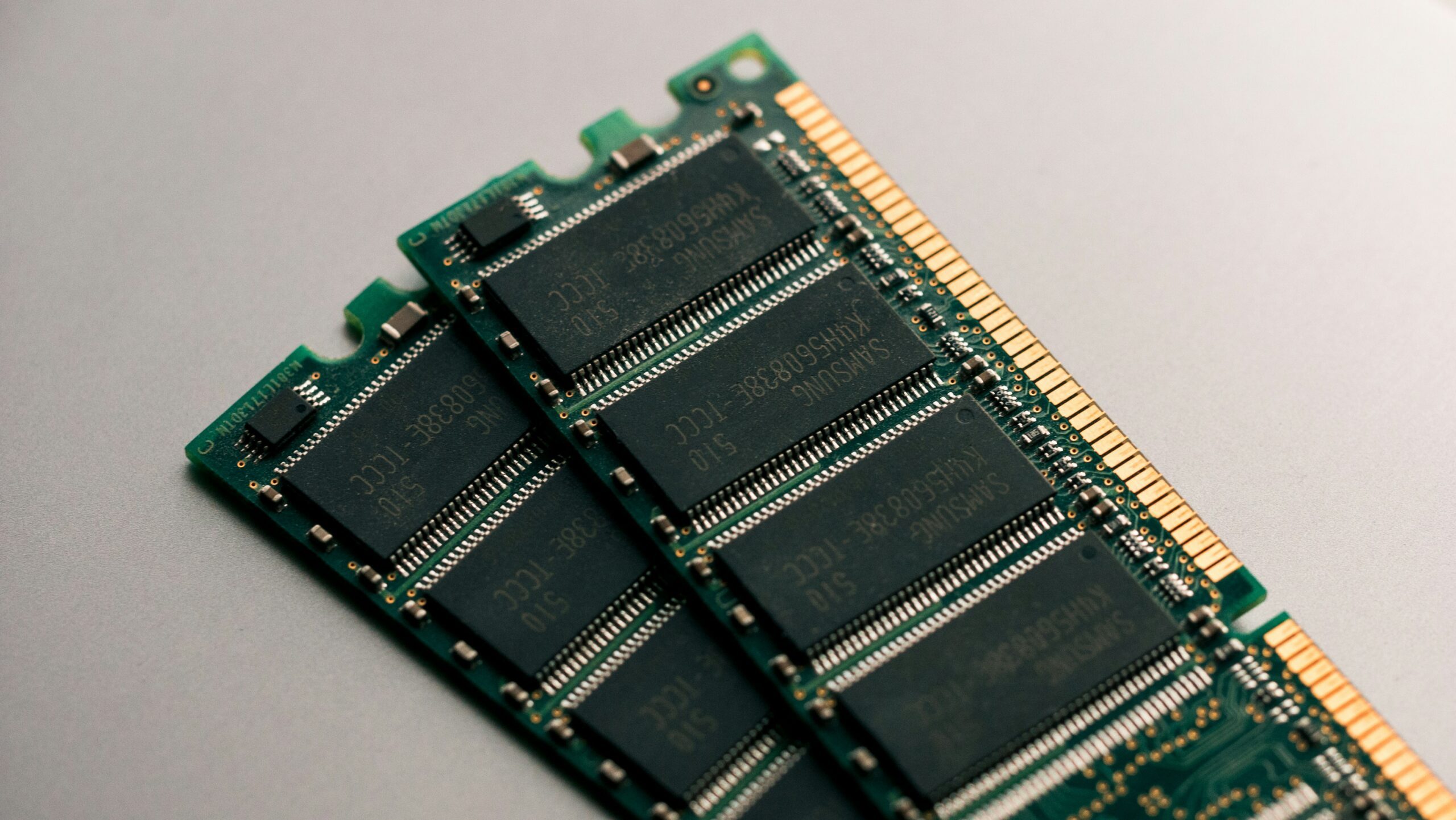
Major brands like HP, Dell, ASUS, and others are facing mounting pressure to raise prices as the global memory chip shortage is driving up component costs. A new report suggests that the surge in DRAM and NAND prices is squeezing manufacturers that rely on these components for their PC products.

Memory is a critical component of modern PCs, so the recent shortage is affecting the cost of finished devices.
Why are memory prices suddenly soaring?

The current shortage is mostly caused by the explosive growth of artificial intelligence and its infrastructure. Major chipmakers such as Samsung, SK Hynix, and Micron have shifted manufacturing capacity towards high-bandwidth memory (HBM) that is used in AI servers. This leaves less memory for traditional DRAM and NAND that is used in consumer-grade products like smartphones, PCs, and other similar gadgets.

Laptop price hikes have already begun

Owing to the ongoing crunch, some companies have already started raising the prices of their PCs:

Similarly, even Apple has raised the prices for its latest laptops. The new MacBook Pro with the M5 Pro chip now starts $200 higher than the previous generation, while the M5 Max variant is seeing a $400 hike.

What’s next?

While brands might be turning towards Chinese manufacturers for memory chips, the rising prices could affect demand. Companies worry that households may delay upgrading their computers if prices climb too quickly. Omdia forecasts the laptop market could fall by up to 12.5% this year. With DRAM prices still on the rise, industry leaders expect the pressure on PC prices to continue well into 2026 and possibly 2027.

Vikhyaat Vivek
Vikhyaat Vivek is a tech journalist and reviewer with seven years of experience covering consumer hardware, with a focus on…
Intel reveals Project Firefly to make cheap Wildcat Lake laptops that rival MacBook Neo
Project Firefly standardizes Wildcat Lake laptop designs so PC makers can chase Apple with lower prices and cleaner hardware
Crowd, Person, Audience

Intel is trying to make budget Windows laptops look a lot less bargain-bin.

Project Firefly, launched in China alongside Intel’s Wildcat Lake laptop chips, gives PC makers a common hardware playbook for thinner, cleaner, lower-cost systems that can take a more direct swing at MacBook Neo. The promise is simple, fewer compromises where budget laptops usually show them most.

Read more
The RAM crisis is about to get uglier, and your new gadgets could pay for it
Nvidia’s next AI monster may squeeze the RAM market even harder
RAM memory chips

The memory market is already in terrible shape, and Nvidia's new Rubin could be kicking it while it's already down. According to a Fast Company report, citing a forecast from Citrini Research, the company's next-gen AI platform could require more than 6 billion GB of LPDDR memory in 2027. With the LPDDR (low-powered memory) primarily being used in phones, tablets, and other portable devices, the price hikes might get even worse.

And if the report is true, Nvidia alone may consume more memory than Apple and Samsung combined.

Read more
LG just announced a 1000Hz gaming monitor that could give you a real edge in FPS games
The UltraGear 25G590B is the world's first Full HD gaming monitor with a native 1000Hz refresh rate.
LG UltraGear 1000Hz monitor featured.

LG has unveiled the UltraGear 25G590B, the world's first Full HD gaming monitor with a native 1000Hz refresh rate. The 24.5-inch display is built specifically for competitive gaming, where faster visual updates can translate directly to quicker reaction times in FPS titles.

Built for competitive FPS, not just benchmarks

Read more