  1. Home
  2. Space
  3. News

NASA aims September launch for Roman space telescope and it’s going to be a huge shift

An earlier target for Roman means one of NASA’s most ambitious observatories is getting close, with the potential to open a huge new era in space discovery

Add as a preferred source on Google
Machine, Wheel, Astronomy
NASA

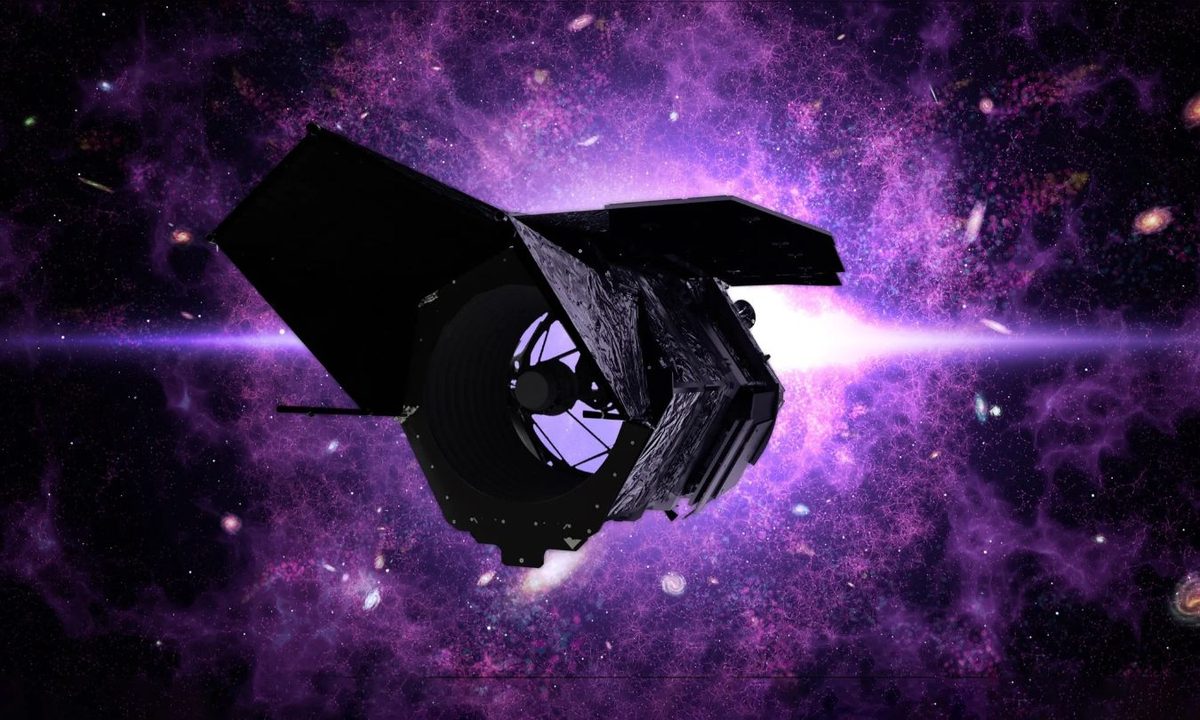
NASA is now aiming to launch the Nancy Grace Roman Space Telescope as soon as early September 2026, a faster timeline than its earlier commitment to fly no later than May 2027. That alone makes this one of the agency’s most important missions to watch over the next few months.

The reason is simple, Roman is built to scan vast parts of the sky with sharp infrared vision.

Recommended Videos

Instead of focusing narrowly on a small patch at a time, it’s designed to gather broad, deep surveys that can help scientists study dark energy, dark matter, exoplanets, galaxies, and stars at a scale that’s hard to match.

NASA also expects the telescope to produce a 20,000 terabyte archive over its five-year primary mission. That archive is projected to support work on 100,000 exoplanets, hundreds of millions of galaxies, and billions of stars, which helps explain why an earlier launch matters well beyond schedule talk.

A telescope built for scale

Roman’s biggest advantage is coverage. NASA says it will combine a large field of view with crisp infrared imaging, giving astronomers a tool that can survey huge areas of space more efficiently than observatories built for narrower views.
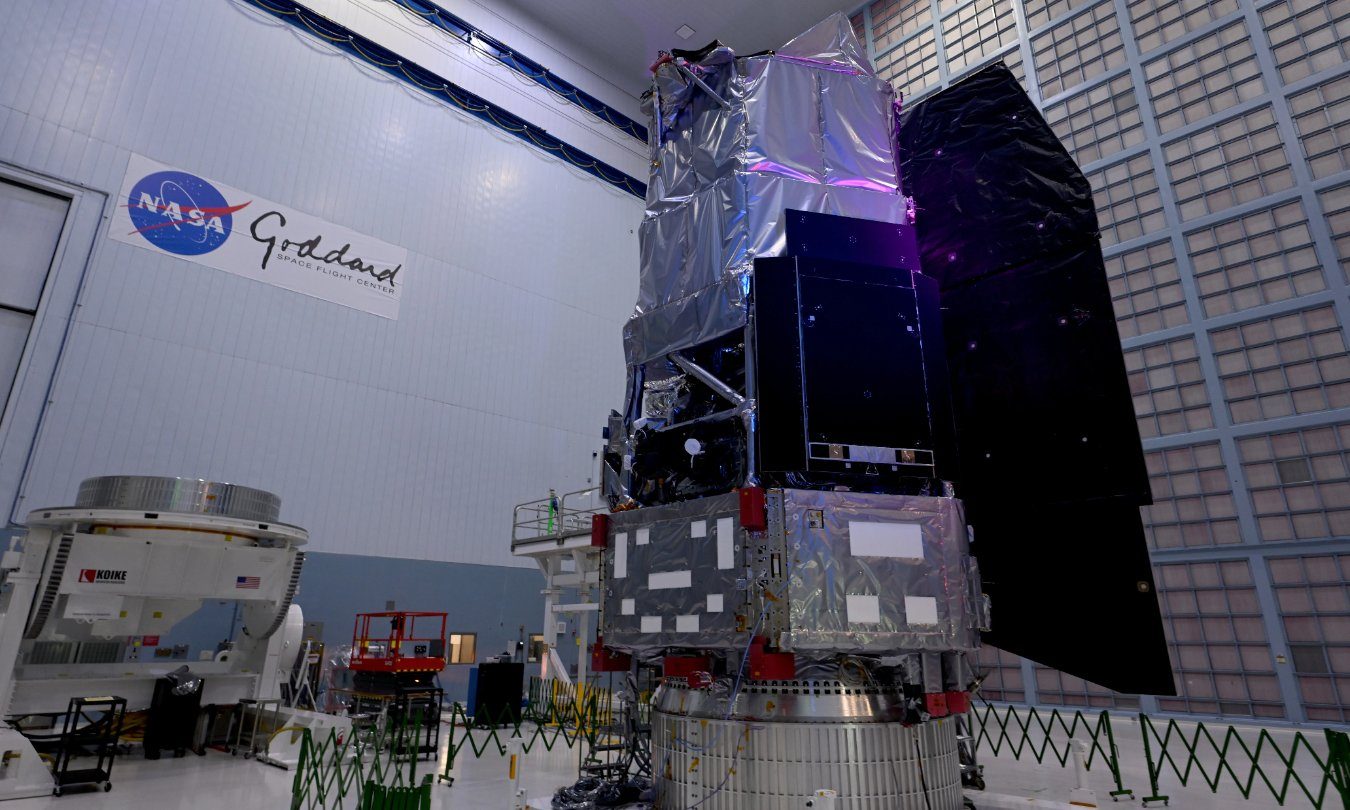
That matters because the mission wasn’t built for just one kind of science. While Roman was designed with dark energy, dark matter, and exoplanets in mind, NASA says its capabilities should also help astronomers find unusual objects and rare events that haven’t been seen before.

Why astronomers will care

Roman’s long-term value is likely to come from the data as much as the first discoveries. A mission that maps the sky this broadly can give researchers a shared resource they’ll revisit for years, using it to compare observations, test ideas, and pick out promising targets for other telescopes.

That gives the mission influence across astronomy, not just inside NASA. Roman could help shape what scientists choose to study next, which is often how a major observatory leaves its deepest mark.

What to watch before liftoff

The telescope is on track for delivery to Kennedy Space Center in June and is set to fly on a SpaceX Falcon Heavy from Launch Complex 39A in Florida.

Coming just after Artemis II, NASA’s first crewed lunar flyby in more than 50 years, Roman’s accelerated timeline adds to a rare stretch of momentum for the agency.
NASA says it will share more on the specific launch date as prelaunch work continues, so the next key milestone is whether that early September target holds.

Paulo Vargas
Paulo Vargas is an English major turned reporter turned technical writer, with a career that has always circled back to…
Blue Origin successfully re-uses a New Glenn rocket for the first time ever
Blue Origin achieves first New Glenn reflight despite payload setback
Blue Origin

Blue Origin has achieved a major milestone in its spaceflight ambitions by successfully reusing a booster from its heavy-lift New Glenn rocket for the first time. The historic launch, conducted on April 19, marks a significant step forward for Jeff Bezos’ space company as it seeks to compete with rivals like SpaceX in the rapidly evolving commercial launch market.

A Milestone With A Mixed Outcome

Read more
Stunning close-up footage shows NASA’s moon rocket roaring to space
On its first crewed flight, NASA's lunar rocket displays its awesome power.
NASA's SLS rocket roars skyward at the start of the Artemis II mission on April 1, 2026.

As NASA’s Artemis II astronauts journey back to Earth following their breathtaking close encounter with the moon earlier this week, the space agency has just shared some stunning footage (below) of the rocket launch that sent the crew on its way on April 1.

The close-up tracking shot shows the awesome power of the Space Launch System (SLS) rocket’s four core RS-25 engines together and its two solid rocket boosters as the 98-meter-tall vehicle roars away from the launchpad at the Kennedy Space Center in Florida.

Read more
How to watch NASA’s moon crew splash down at end of historic mission
The Orion spacecraft's final moments before splashdown will be the most perilous of the entire mission.
Earth and the moon as seen from the Orion spacecraft during the Artemis II mission in April 2026.

The Artemis II astronauts have looped around the moon, captured some extraordinary imagery (above), set a slew of records, and are now on their way back to Earth.

The 10-day mission will reach its climax on Friday, April 10, during a dramatic homecoming that will see the Orion spacecraft enter our planet’s atmosphere at a speed of nearly 25,000 miles per hour.

Read more