Apple loves keeping critics and reviewers on their toes. While we’ve heard whispers of cost-cutting on the iPhone 18 lineup, fresh supply chain intelligence from Taiwan (via Commercial Times) suggests that the company is cooking up one of its most hardware-centric upgrades in years.
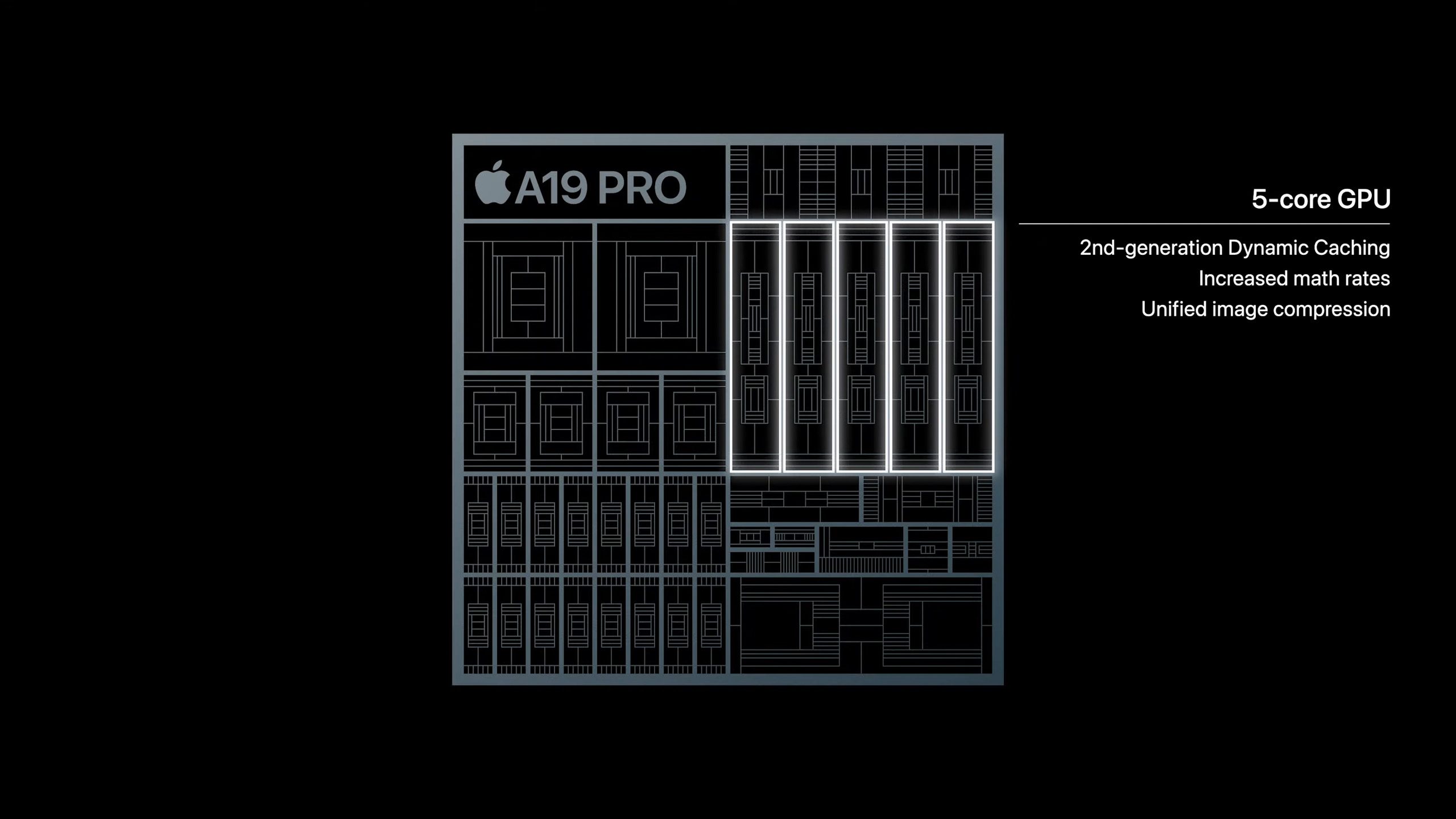
At the core of the purported iPhone 18 lineup sits TSMC’s 2nm A20 chip, which is believed to be a generational leap from the 3nm process A19 series chips on the iPhone 17 and the iPhone 17 Pro models.
What’s actually getting upgraded?
The node shift should deliver better performance per watt, which should translate to faster processing and better battery life. Per the report, the iPhone 18 may feature the standard A20 chip, while the iPhone 18 Pro models could sport the A20 Pro chip (with higher processing power).
The memory capacity might be increased to 12GB across the lineup, bringing a significant performance upgrade for the baseline iPhone 18 (up from 8GB on the iPhone 17). This would make more room for multitasking or handling memory-heavy apps for the power users, and, of course, for running the Apple Intelligence features on the device.
Moreover, the iPhone 18 series could offer significant improvements in both single and multi-core performance, making it a performance powerhouse.

What about the cameras on the iPhone 18 series?
Further, the lineup could feature the “C2 self-developed modem chip and N2 communication chip,” which could finally unlock full satellite internet connectivity (already rumored for the iPhone 18 Pro models).
What’s weird, however, is that the report suggests the presence of a 12MP ultrawide camera on the baseline iPhone 18, which would effectively be a step down from the 48MP ultrawide sensor on the iPhone 17.
Other claims, like the triple 48MP cameras on the iPhone 18 Pro models, wherein the primary camera features variable aperture, sound more plausible. Furthermore, the report also claims the presence of 24MP selfie cameras, likely with Center Stage, as it’s already there on the current-generation iPhones.