Electric vehicles are now common on the road, but charging still remains one of the biggest friction points. Even when you find a fast charger, stopping can easily add 30 minutes or more to a trip, which makes long distance travel feel less convenient compared to refueling a gas car.
At BYD’s charging facility in Beijing, the company is already demonstrating a system that aims to remove that delay. Vehicles are pulling in, plugging in, and charging using BYD’s second generation Blade Battery and flash charging setup, giving a clearer picture of how the technology works outside a controlled prototype environment.
Charging speeds are being pushed far beyond current standards
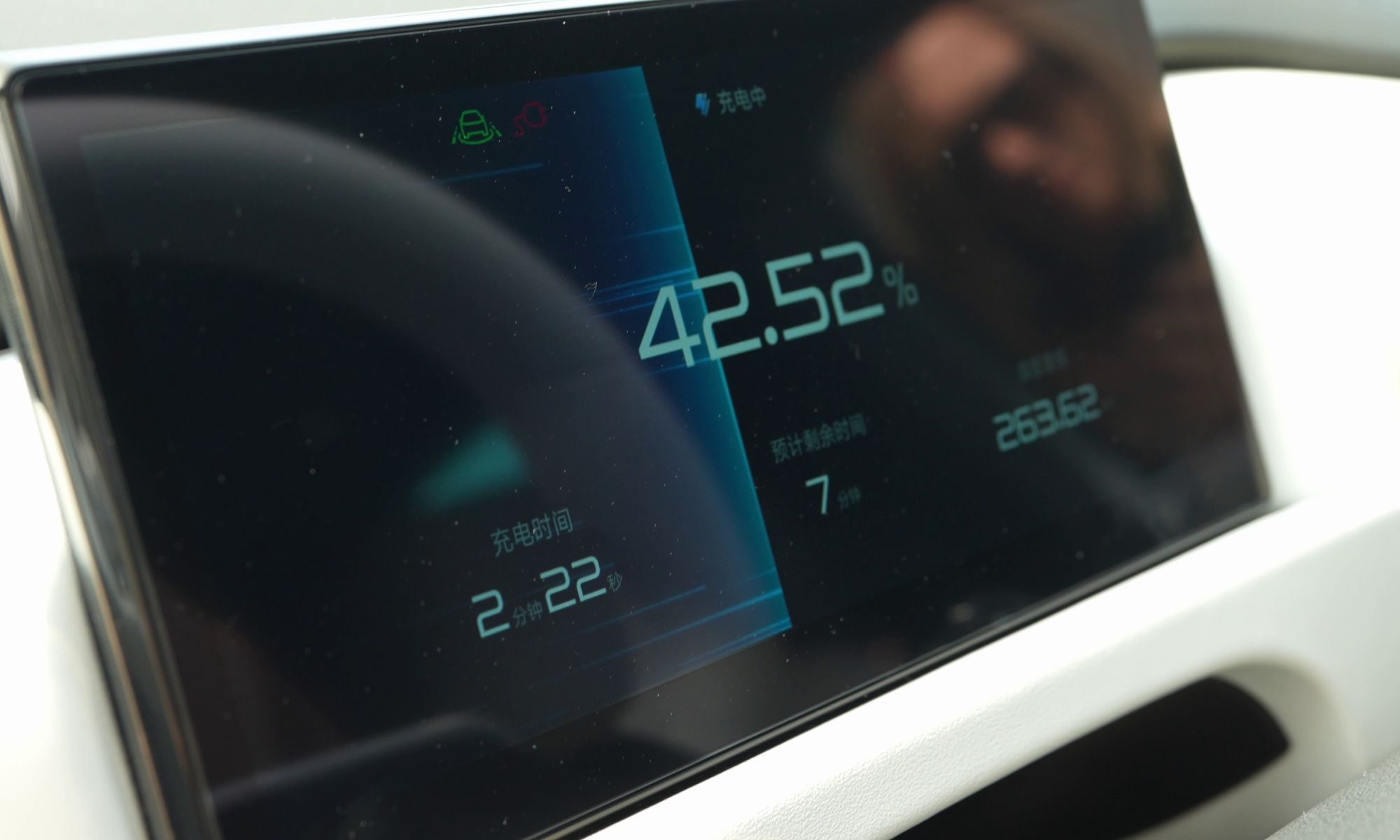
BYD’s pitch is centered on how quickly usable range can be added rather than how fast a battery can reach full charge. The company describes the experience in terms of a short stop, suggesting that a vehicle could gain a significant amount of range in the time it takes to grab a coffee.
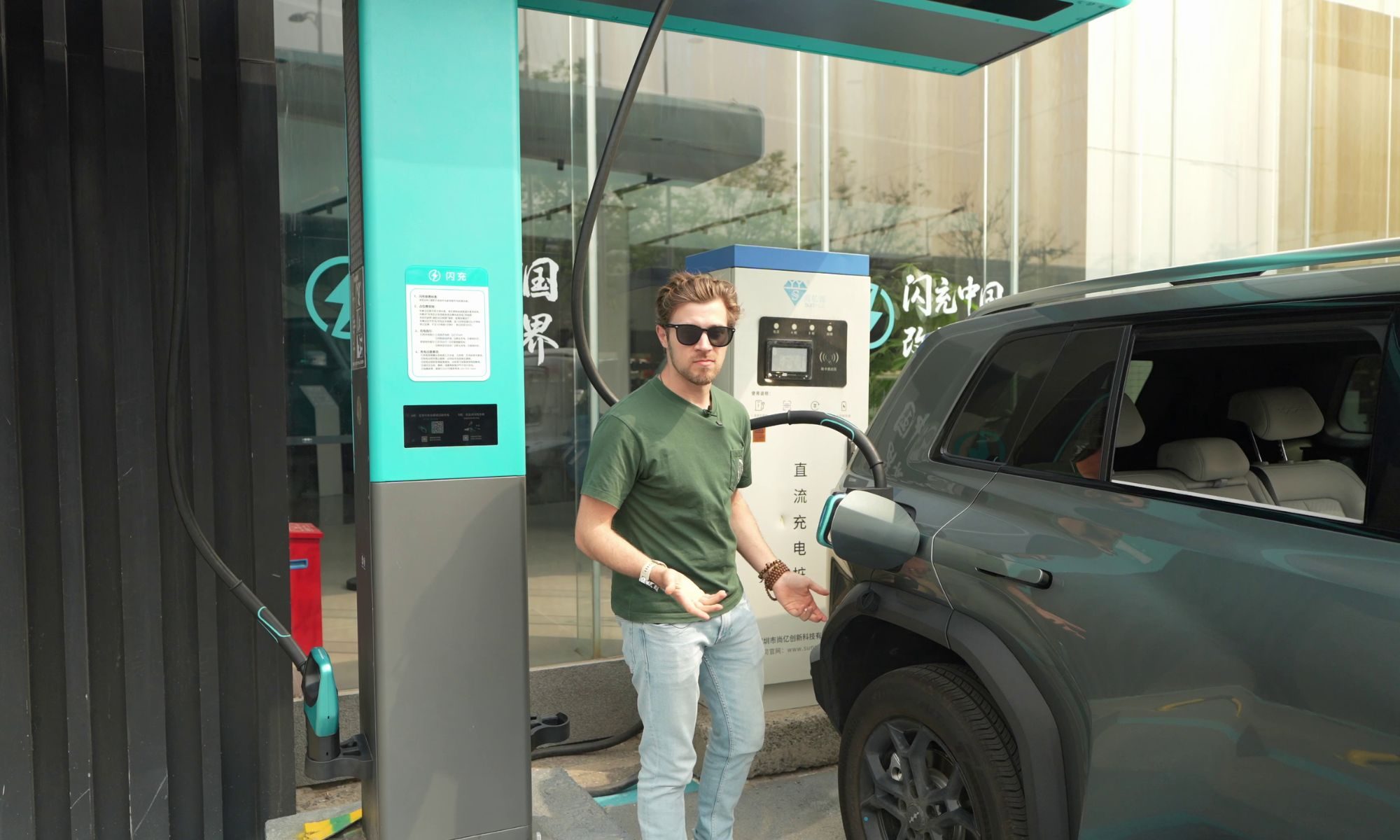
The charging setup reflects that approach. The cable is suspended from an overhead rail instead of resting on the ground, which makes it easier to handle and allows it to move freely based on the position of the vehicle. It also supports connections from either side, which reduces the need to reposition the car in a busy charging area.
The battery is where most of the change is happening
While the charger itself draws attention, BYD is positioning the second generation Blade Battery as the core of the system. The company says the battery has been redesigned to handle higher charging speeds while addressing common bottlenecks such as heat buildup and performance in low temperatures.
According to BYD, the system can charge from 10 percent to 97 percent in around 12 minutes even at temperatures as low as minus 30 degrees Celsius. The company also states that the battery passes simultaneous nail penetration and charging tests, which are intended to simulate severe failure conditions.
How it compares to current fast charging
Most widely available fast chargers today operate at around 350 kilowatts, while some newer vehicles can reach closer to 500 kilowatts under peak conditions. Even in those cases, charging from 10 percent to 80 percent typically takes between 20 and 30 minutes.
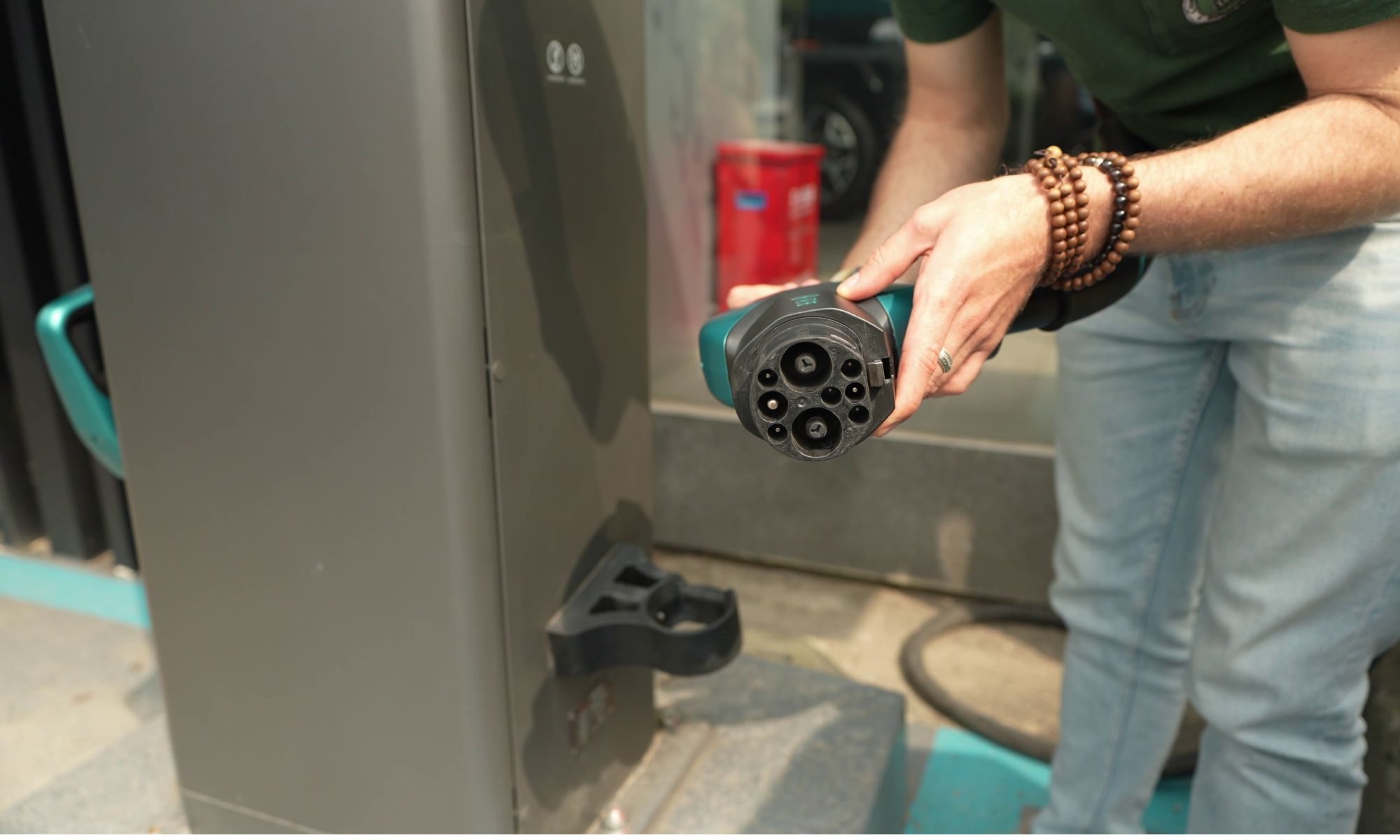
BYD says its flash charging system can deliver up to 1,500 kilowatts through a single connector, which would place it well beyond current charging infrastructure. Under those conditions, the company claims the system can move from 10 percent to 70 percent in about five minutes and up to 97 percent in roughly nine minutes.
This is already in use, with plans to scale quickly
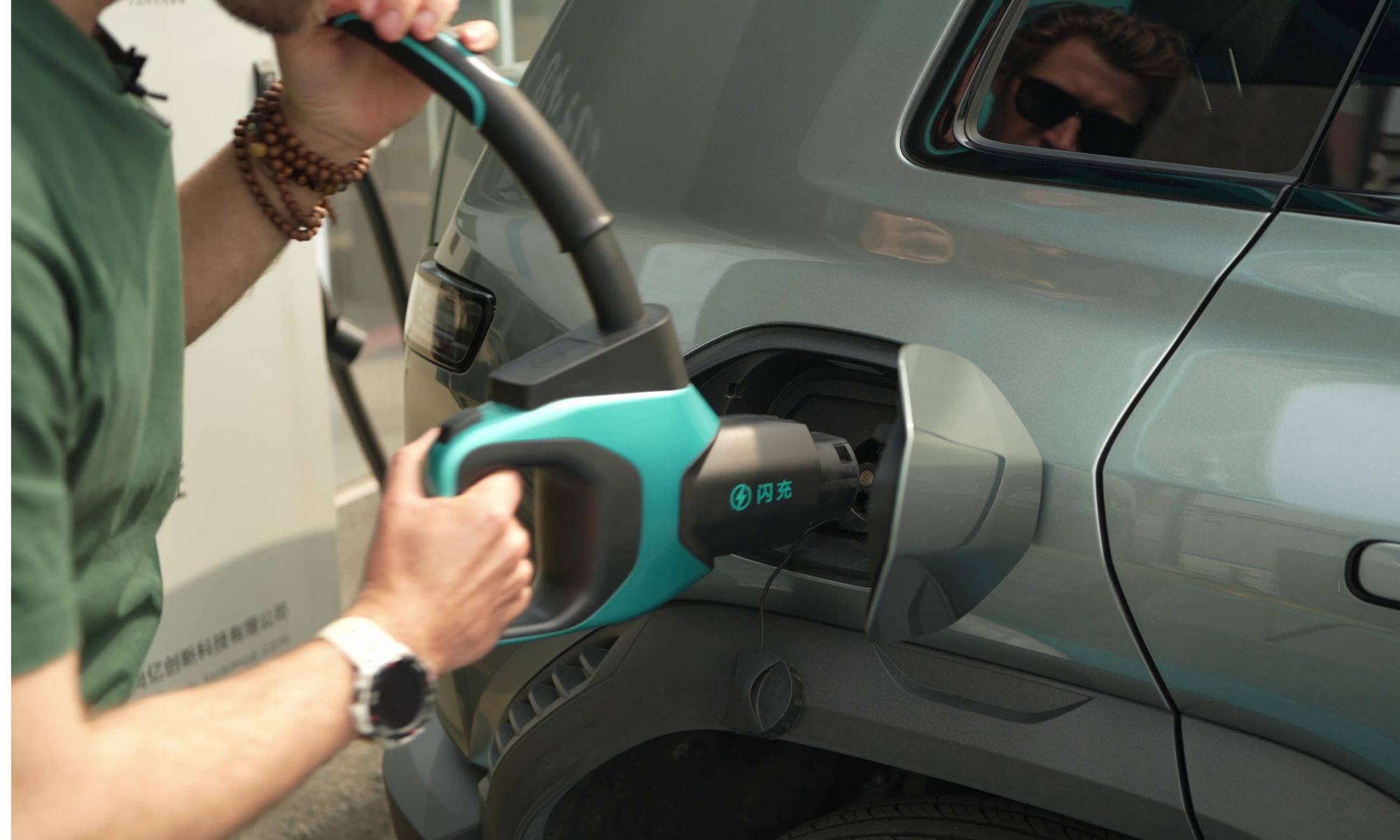
The system at BYD’s Beijing site is not being presented as a prototype, as vehicles are already using the charging stations on site, which provides a more practical indication of how the technology performs outside a controlled demonstration environment.
BYD positions this as an early stage of deployment and says it plans to build up to 20,000 of these charging stations by the end of 2026, with the network expected to expand beyond China as part of a broader global rollout, a scale that will ultimately determine whether the system remains limited to specific locations or becomes part of everyday charging infrastructure