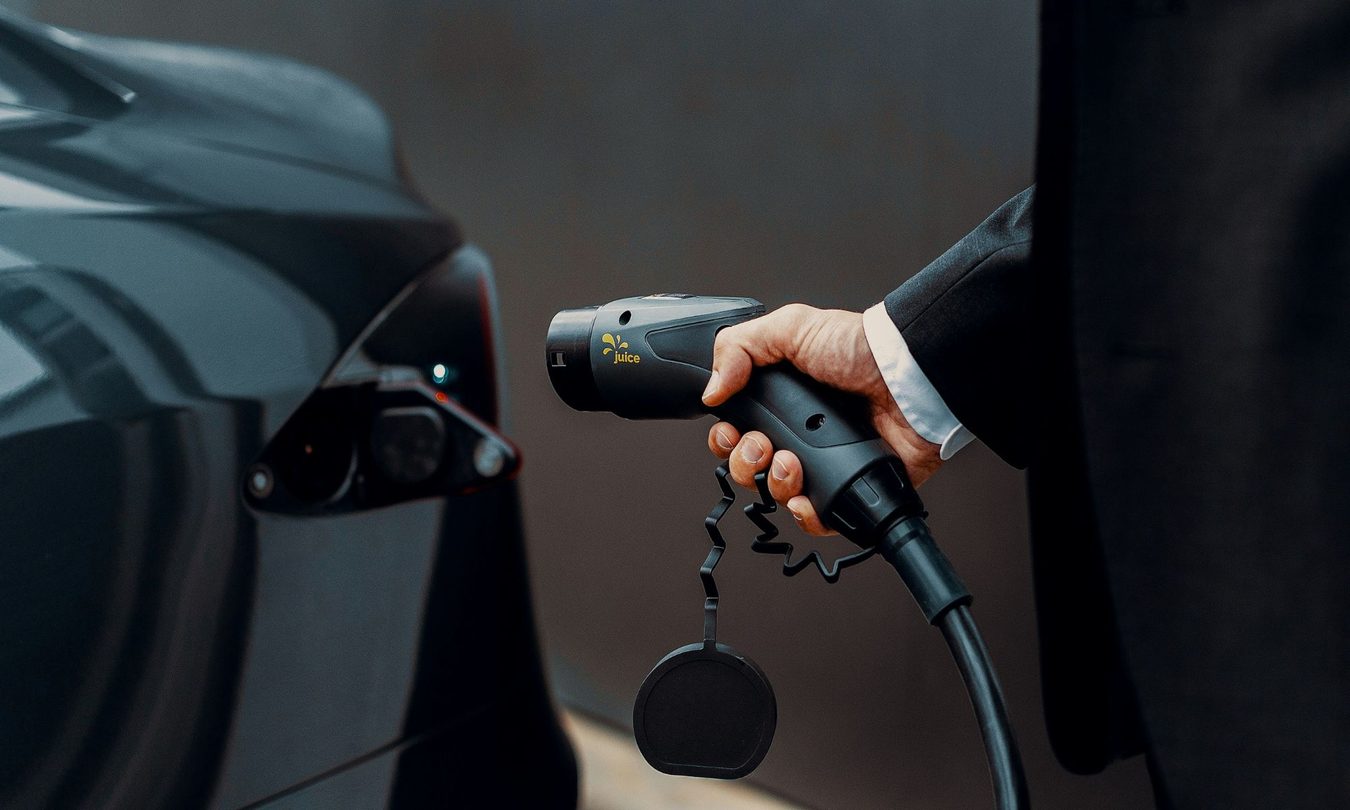

For the longest time, the electric vehicle industry has been chasing a finish line that felt simple enough: make charging as fast as refueling a petrol car. That was the promise, the pitch, and in many ways, the justification for everything from billion-dollar battery investments to government subsidies.
In 2026, that finish line is no longer theoretical.
Companies like CATL and BYD have significantly advanced battery technology, pushing charging times into single digits. CATL’s third-generation Shenxing battery, announced in April 2026, can charge from 10% to 98% in just over six minutes, enabled by ultra-low internal resistance and improved thermal management. BYD’s second-generation Blade battery, paired with its Flash Charging system, achieves 10% to 70% in five minutes and nearly a full charge in under ten minutes, while also maintaining performance in extreme cold conditions as low as -30°C.
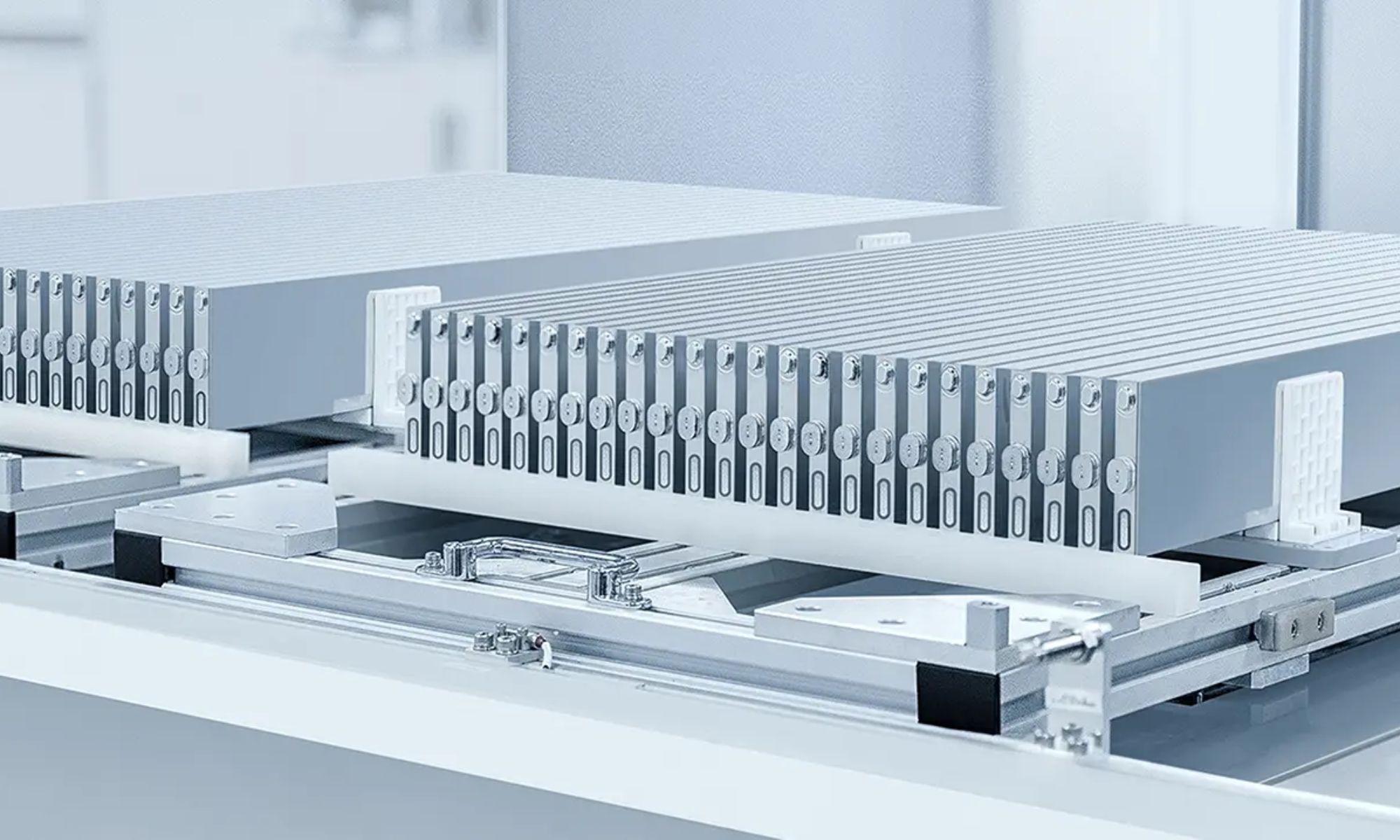
Companies like CATL and BYD are now claiming charging times that drop into single-digit minutes. We’re talking about a near-full charge in the time it takes to grab a coffee and walk back to your car. On paper, this is the breakthrough the industry has been building toward for over a decade. And yet, something feels off.
Because at the exact moment charging is becoming a solved problem, at least technologically, EV adoption – especially in markets like the United States – is starting to lose momentum. That contradiction is where things get interesting, and frankly, where the industry narrative begins to fall apart.
We Solved The Wrong Problem First
I’ve spent years listening to automakers talk about range anxiety, as if it were the single biggest barrier holding buyers back. Then the conversation shifted to charging anxiety, which at least felt more grounded in reality. Nobody wants to sit around for 40 minutes waiting for their car to charge on a long drive. Now the wait time is collapsing.
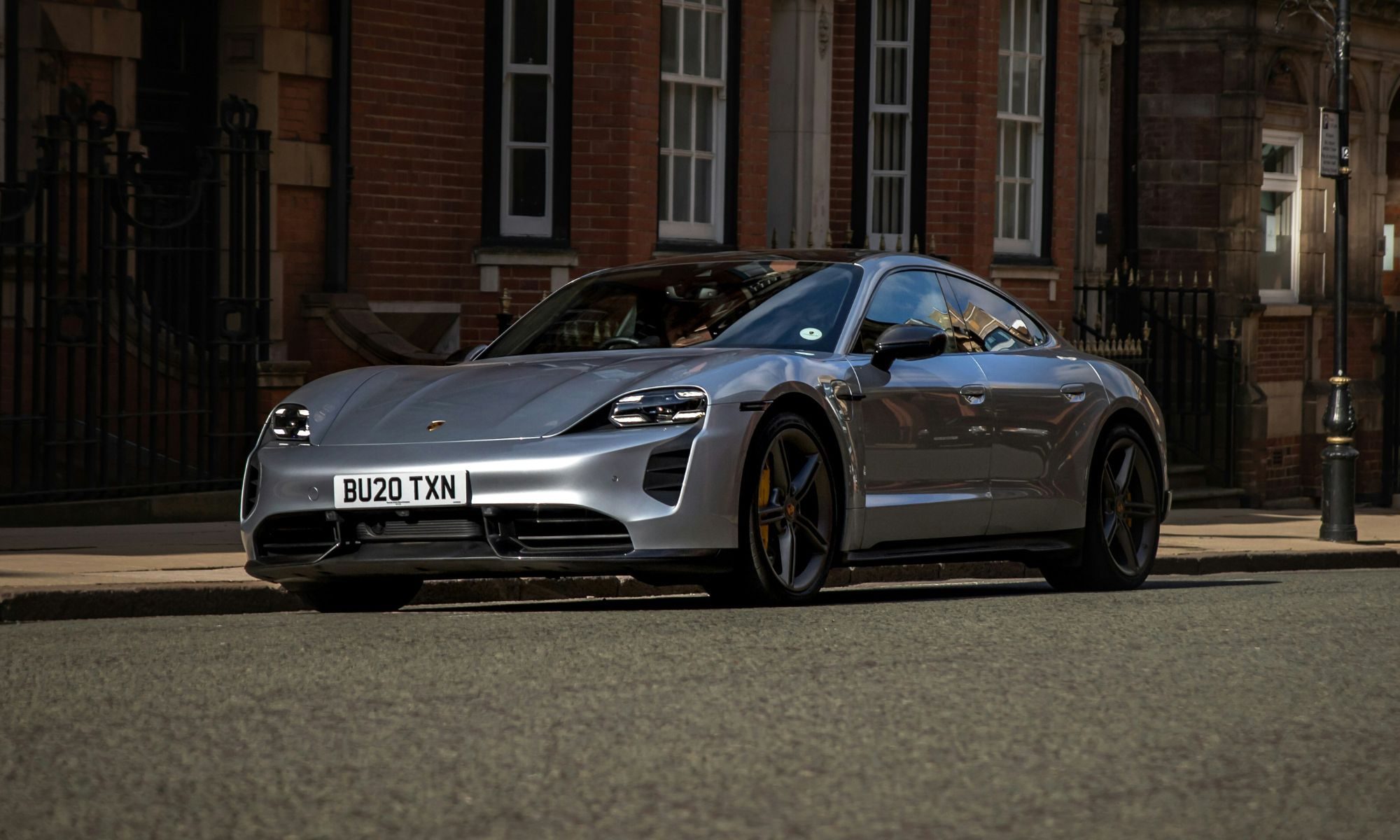
Even the so-called laggards in the West aren’t exactly slow. The Porsche Taycan can add a meaningful charge in under 20 minutes, which would have sounded absurdly fast just a few years ago. The Tesla Model 3 still manages respectable charging speeds in the 15–20 minute window, and newer platforms like the Audi Q6 e-tron continue to push incremental gains.
But incremental is the keyword here. Because what China is doing right now is not incremental. It’s a leap. Moving to 800V and 1000V architectures, rethinking thermal management, and aggressively scaling LFP batteries have allowed companies like BYD to do what Western automakers are still only talking about.
“Six minutes is not an improvement. It’s a reset.”
That’s the kind of line that writes itself in a press release, and to be fair, the engineering behind it is genuinely impressive. But it also exposes a deeper issue: the industry has been optimizing for a headline, not a habit.
A Faster Charge Doesn’t Fix A Broken Experience
Here’s the part that doesn’t get talked about enough.
A six-minute charge is meaningless if the charger you need is occupied, broken, or simply not there. It doesn’t matter how fast your car can charge if the ecosystem around it can’t support that speed in the real world.
This is where the gap between China and the West becomes more complicated than just technology. China’s advantage isn’t just better batteries. It’s a tightly controlled ecosystem where infrastructure, policy, and manufacturing move in sync.
In contrast, the Western EV experience still feels fragmented. You might have a fast-charging car, but you’re relying on a network that isn’t always reliable. You might have access to chargers, but not at the speeds your car is capable of. And you’re almost certainly paying more for the privilege.
This is why I keep coming back to a simple thought. The industry didn’t just solve charging speed. It jumped ahead of the problem buyers were actually dealing with.
Tesla Understood This Before Anyone Else
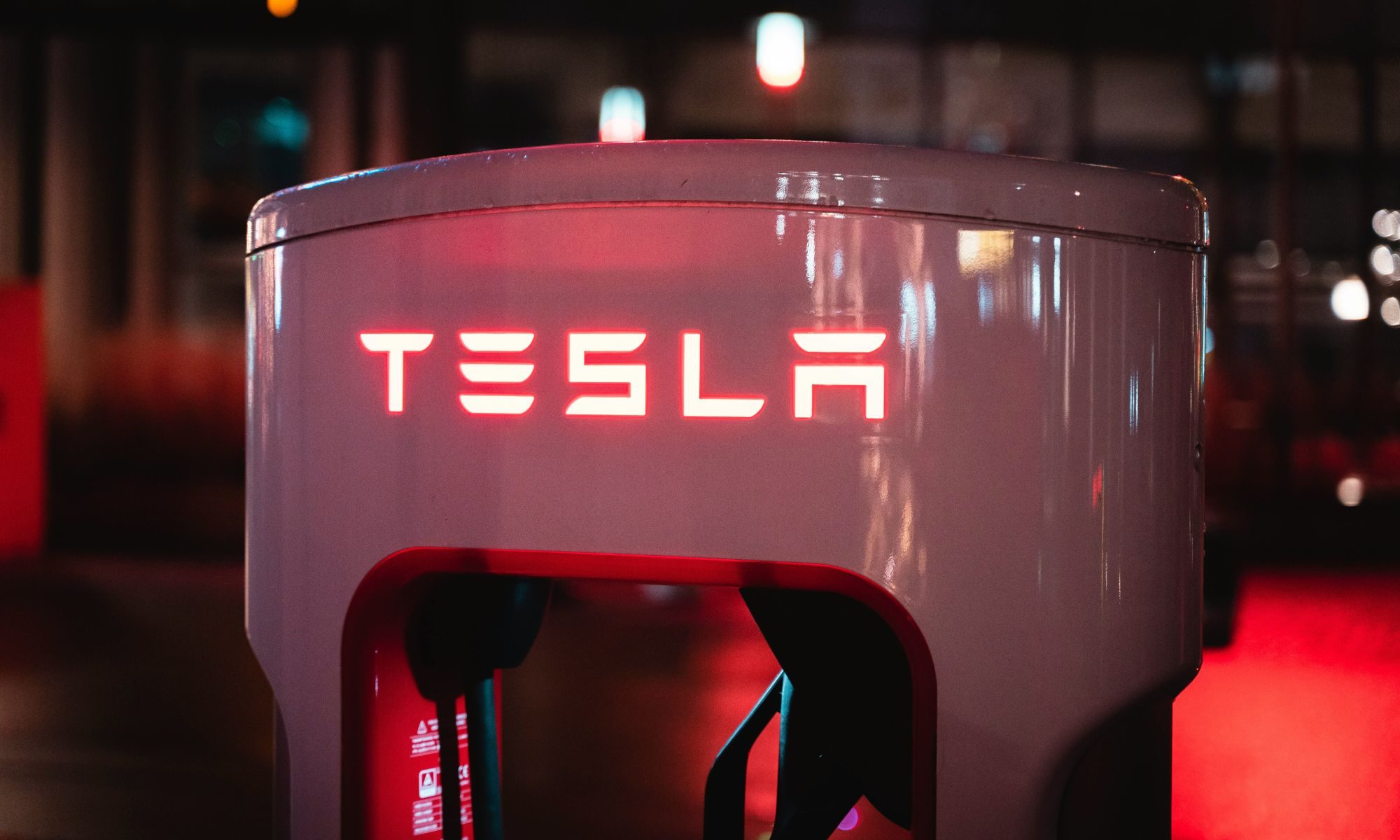
There’s a reason Tesla became synonymous with EV adoption, and it wasn’t just because of range or performance. Tesla built an ecosystem before most automakers even acknowledged that one was needed.
The Supercharger network wasn’t about having the fastest charging speeds on paper. It was about making charging predictable, accessible, and most importantly, trustworthy.
That last part is critical. Because when buyers say they’re worried about charging, what they’re really saying is they don’t trust the experience yet. They don’t trust that a charger will be available when they need it, or that it will work as expected, or that the process will be as seamless as filling up a tank.
No amount of peak charging speed fixes that trust gap. It’s almost ironic to see that Google is filling the “charging anxiety” gulf with features in its eponymous navigation software. Earlier this year, Google Maps expanded battery predictions and trip planning to over 300 EV models.
The Cold Weather Breakthrough Is The Real Story
If there’s one area where recent battery innovation might actually move the needle, it’s not speed. It’s consistency. Both CATL and BYD are pushing hard on improving performance in extreme conditions, particularly cold weather. That’s not as flashy as a six-minute charge headline, but it addresses a much more real problem.
Anyone who has lived with an EV in winter knows how quickly range and charging speeds can drop. It’s not just inconvenient; it fundamentally changes how you use the car. If new battery tech can eliminate that variability, it removes one of the most persistent psychological barriers to adoption.
That’s the kind of progress that doesn’t just look good in a spec sheet. It actually changes behavior. Technologies like pulse self-heating have addressed cold-weather charging slowdowns, making EV performance more reliable across climates. This shift changes the equation entirely. When charging drops to six minutes, EVs begin to match the convenience of refueling a petrol car.
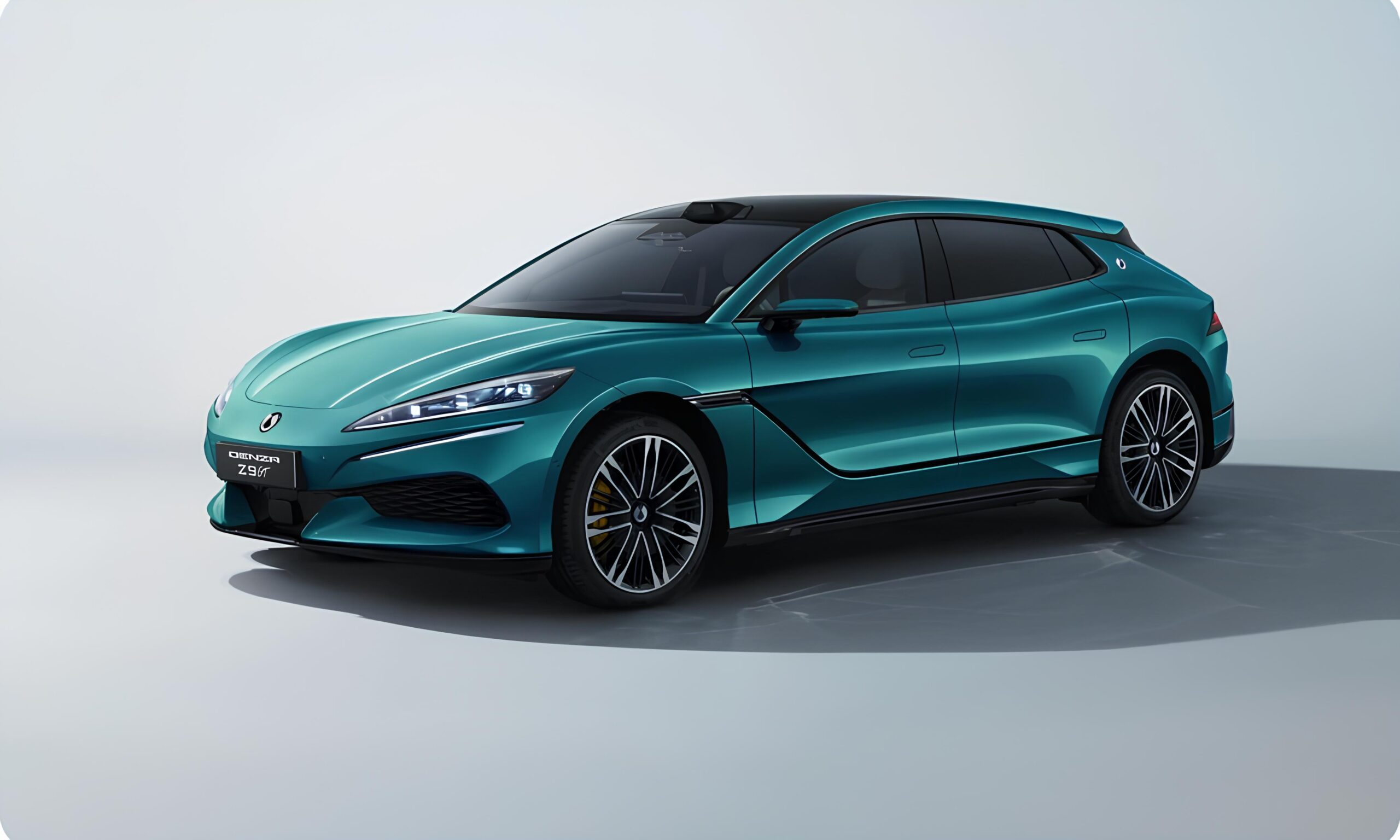
As Chinese models like the Denza Z9GT enter global markets, they could highlight this gap further, forcing Western automakers to accelerate innovation in core hardware rather than focusing primarily on software and in-car experiences.
The Industry Is Chasing The Wrong Finish Line
What fascinates me right now is how the industry seems split between two different philosophies.
On one side, you have Chinese automakers pushing the limits of hardware – battery chemistry, charging speeds, and vertical integration. On the other hand, Western brands are increasingly leaning into software-defined vehicles, infotainment ecosystems, and AI-driven features.
Both matter, but neither fully addresses the core issue.
Because from a buyer’s perspective, the decision to go electric still comes down to a handful of very practical concerns – cost, convenience, and confidence. Charging speed only meaningfully impacts one of those, and even then, only under specific conditions.
“A car that charges in six minutes sounds like the future. A car that fits into your life without friction is what actually sells.”
The 6-Minute Future Will Come – Just Not The Way We Expect
I don’t doubt that ultra-fast charging will become the norm. Just like 30-minute fast charging eventually became table stakes, six-minute charging will, at some point, stop being impressive. More advanced solutions like LFP, sodium, and solid-state batteries are expected to make a grand leap for the EV segment.
But that future won’t arrive because of a single breakthrough. It will arrive when the entire ecosystem catches up – when infrastructure is reliable, pricing is accessible, and the ownership experience feels effortless.
Until then, we’re in a strange phase where the technology is racing ahead of reality. And that’s why the six-minute charge, as impressive as it is, doesn’t matter as much as it should. At least not yet. And definitely not for buyers in the US market.