  1. Home
  2. Cars
  3. News

Self-driving cars will no longer go scot-free in California as penalties go into effect

It's the moment the industry's argument that driverless cars exist outside normal legal frameworks officially stopped working in the most important autonomous vehicle market in the world.

Add as a preferred source on Google
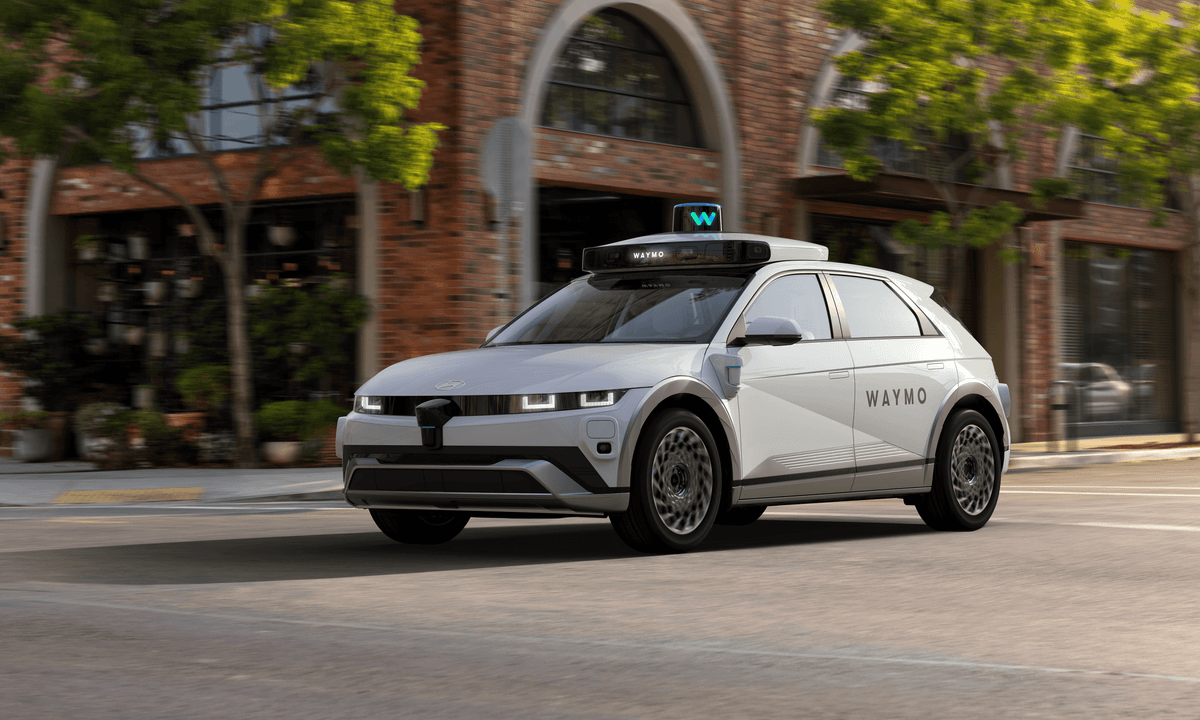
A Hyundai Ioniq 5 is equipped as a robotaxi.
Waymo

For years, California’s streets have hosted a quiet double standard: a human driver caught making an illegal U-turn got a ticket, but a driverless car doing the same thing got away with it, with perhaps a call to the manufacturer. That changes now.

The California DMV has announced what it calls the most important autonomous vehicle regulations in the United States. For the first time, self-driving cars can now be formally cited for breaking traffic laws (via Futurism). 

What exactly can authorities do now?

Quite a lot, actually. Under the new rules, authorities can issue a “Notice of AV Noncompliance” directly to manufacturers whenever their autonomous vehicle (AV) commits a moving violation. All the notices add up as a formal paper trail that feeds into the DMV’s permit review process. 

Recommended Videos

Beyond traffic citations, AV companies are bound to respond to first-responder calls within 30 seconds, provide access to manual override systems, and comply with emergency geofencing directives (clearing restricted zones within two minutes of being notified).

If self-driving carmakers fail to comply, they risk suspension of permits, fleet size restrictions, speed caps, and geographic operation limits, all of which could have a negative effect on the companies’ operations and revenue. 
Does this affect self-driving trucks, too?

The same set of regulations also opens California roads to heavy-duty self-driving vehicles for the first time, with new permits now available for trucks weighing over 10,000 pounds. Aurora, which has been operating autonomous freight trucks in Texas, has welcomed the development.

What’s good is that AV companies have until summer 2026 to comply with the new communication, after which, the DMV’s enforcement kicks in. Given that the robotaxi services in America are scaling quickly, establishing a citation system tied directly to operating permits could keep things in check. 

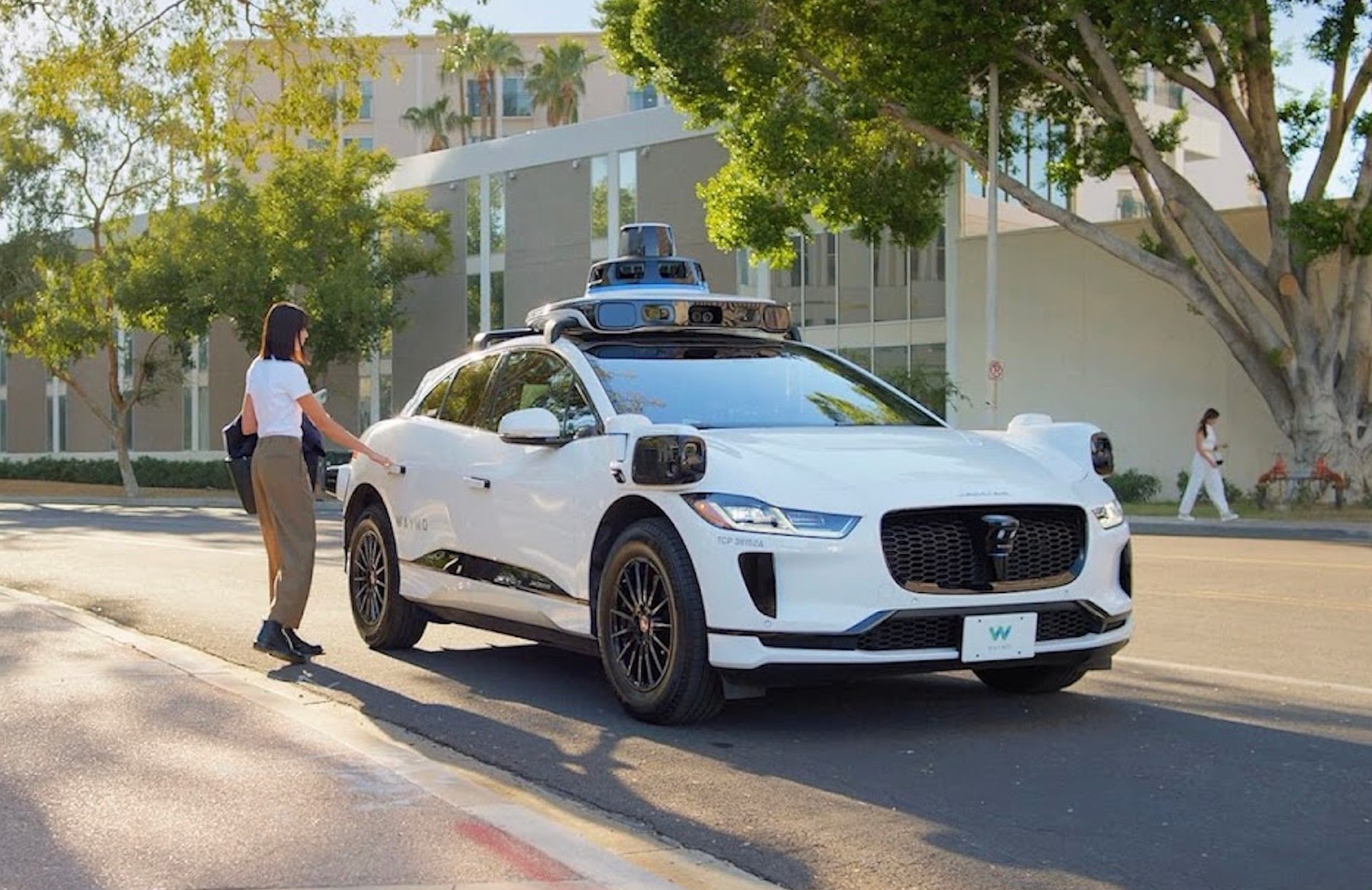
The regulations, in totality, were partly inspired by a September 2025 incident in San Bruno, where police were powerless in front of a Waymo that had allegedly made an illegal U-turn, and by repeated cases of robotaxis clogging emergency response routes across San Francisco. 

Shikhar Mehrotra
For more than five years, Shikhar has consistently simplified developments in the field of consumer tech and presented them…
BYD might have just solved the worst part of owning an EV
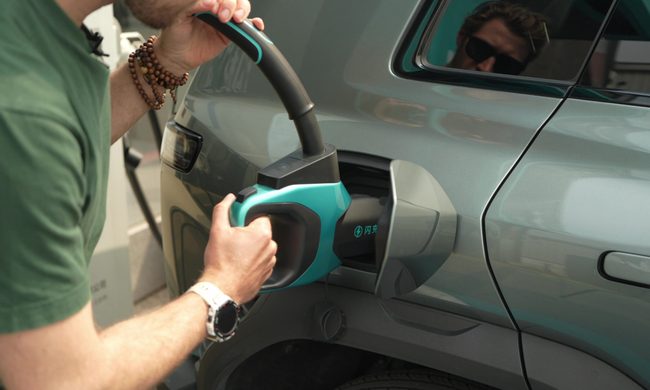
BYD’s new charging system is built to cut EV charging times down to minutes
Adult, Male, Man

Electric vehicles are now common on the road, but charging still remains one of the biggest friction points. Even when you find a fast charger, stopping can easily add 30 minutes or more to a trip, which makes long distance travel feel less convenient compared to refueling a gas car.

At BYD’s charging facility in Beijing, the company is already demonstrating a system that aims to remove that delay. Vehicles are pulling in, plugging in, and charging using BYD’s second generation Blade Battery and flash charging setup, giving a clearer picture of how the technology works outside a controlled prototype environment.

Read more
Your car’s Google Assistant is going away, and this is what replaces it
Electronics, Mobile Phone, Phone

There’s a very specific kind of frustration that comes with talking to your car. You say something perfectly normal, and it responds like it’s hearing you for the first time. “I didn’t get that.” “Please try again.” Or worse, it confidently pulls up something completely unrelated. For years, in-car voice assistants have lived in that awkward space — just useful enough to keep you trying.

That may finally be changing. Google is bringing Gemini to cars with Google built-in, gradually replacing Google Assistant with something that’s designed to understand natural, everyday speech. And if the difference between the two felt noticeable on your phone, in a car — where you need things to just work — it feels far more significant.

Read more
Volkswagen reveals the ID. Polo, a sub-$30k electric car for the masses with retro charm
The iconic Polo is going electric, and it's bringing a 454 km range and a surprisingly wallet-friendly starting price.
Volkswagen ID Polo

The Volkswagen ID. Polo is now official, and it is a big deal. The Polo has been one of VW's most beloved and iconic models, with over 20 million units sold, and it is now going fully electric. Developed in Wolfsburg, the ID. Polo starts at 24,995 euros in Germany, which is a reasonable entry point for a proper electric car.

Talking about the core specs, you get three power options: 85 kW, 99 kW, and 155 kW. The first two variants come with a 37 kWh battery and offer a range of up to 329 km. The top-end 155 kW version steps up to a 52 kWh battery and covers up to 454 km on a single charge. 

Read more