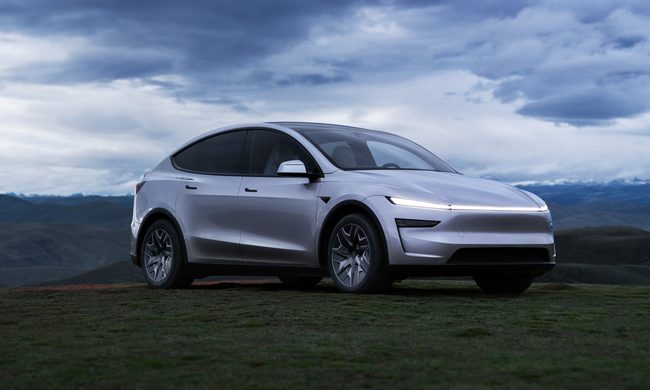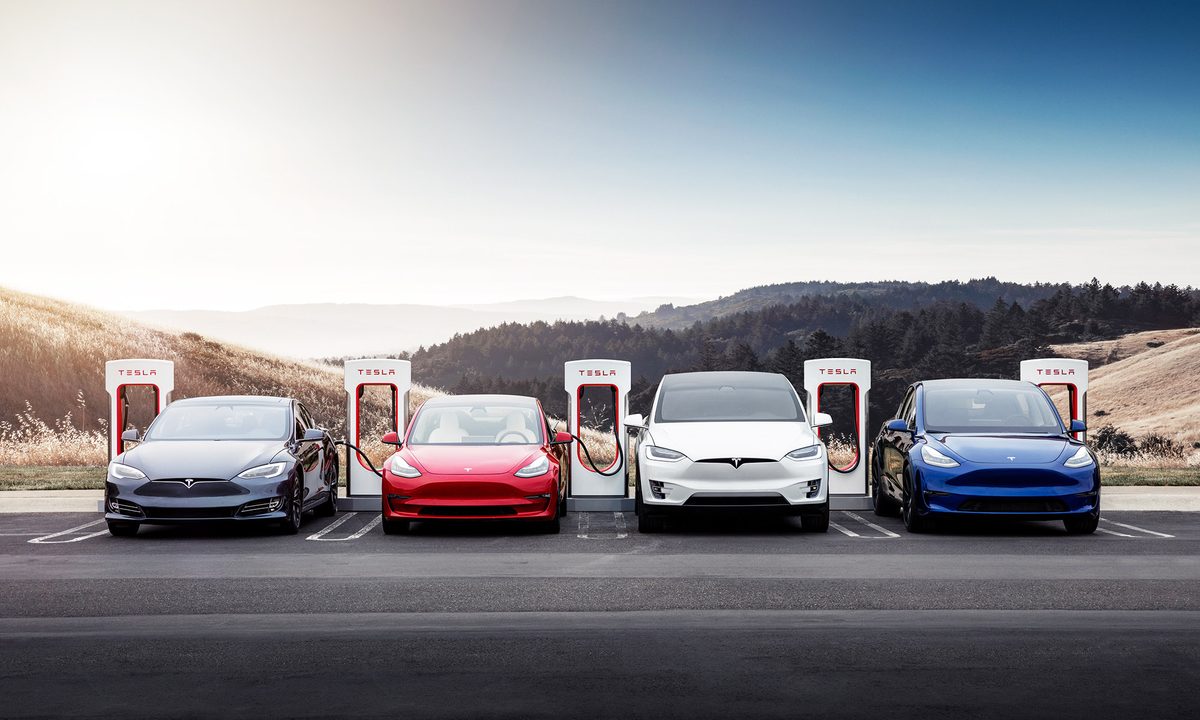
Tesla is once again leaning on one of its most effective sales tools: free Supercharging. The company has announced that buyers of the Model 3 Premium and Performance variants will receive one year of complimentary access to its fast-charging network, reviving a perk that has historically been used to drive demand, according to a report by Electrek.
A Strategic Freebie That Signals More Than Just Savings
At its core, the offer is straightforward. Customers purchasing higher-end Model 3 trims now get a year of free access to Tesla’s Supercharger network, though the company notes that the incentive is subject to change or withdrawal at any time.
This isn’t the first time Tesla has deployed such incentives. Free Supercharging has long been one of the brand’s most compelling ownership benefits, periodically reintroduced during moments when Tesla needs to stimulate sales or strengthen its competitive edge.
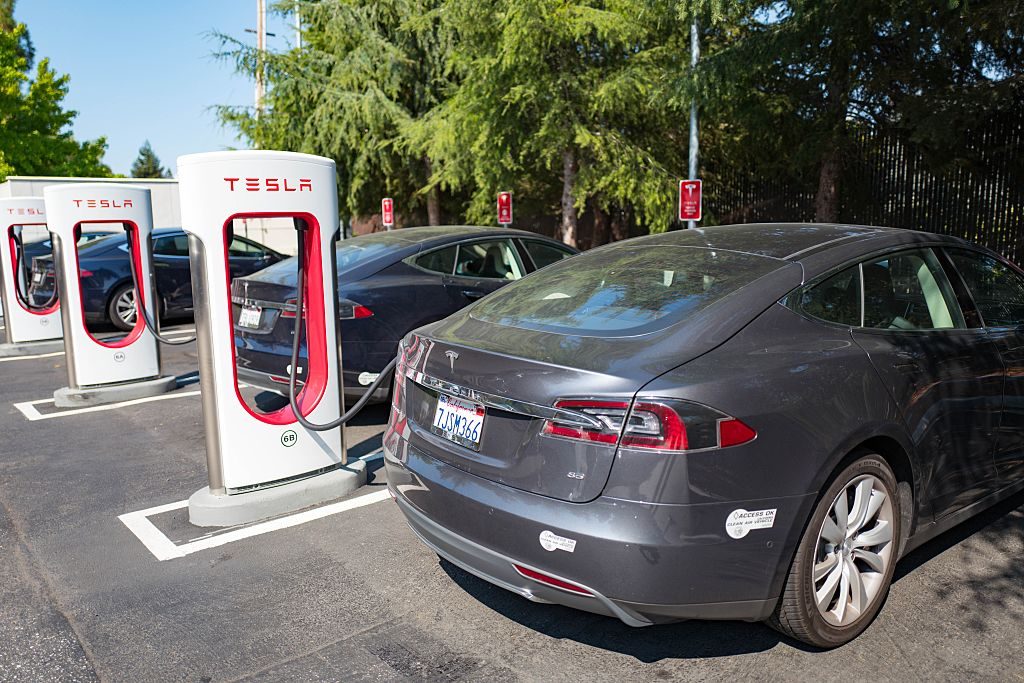
The timing is telling. Tesla is navigating an increasingly competitive EV market, where price cuts, feature upgrades, and incentives have become common across brands. By bundling free charging, Tesla is effectively reducing the perceived cost of ownership without altering the sticker price.
That matters because charging costs, while lower than fuel, are becoming a more visible factor for EV buyers – especially as public charging networks expand and pricing varies widely.
Why This Move Matters In Today’s EV Landscape
Free Supercharging isn’t just a perk; it’s a strategic differentiator. Tesla still operates one of the most extensive and reliable fast-charging networks globally, and giving buyers temporary free access strengthens that advantage.
For competitors, this creates pressure. While other automakers rely on third-party charging infrastructure, Tesla can bundle charging directly into the ownership experience. That vertical integration allows it to offer incentives that are difficult to replicate at scale.
There’s also a subtle pricing signal here. Reports suggest that non-Tesla EVs can face significantly higher charging costs on Tesla’s network, sometimes paying a premium unless subscribed.
By contrast, Tesla owners – especially those benefiting from free Supercharging—experience a more seamless and cost-efficient ecosystem. It reinforces the idea that buying into Tesla is not just about the car, but the infrastructure around it.
What It Means For Buyers Right Now
For potential buyers, the appeal is immediate. A year of free Supercharging can translate into meaningful savings, particularly for high-mileage users or those who rely heavily on public charging.
It also simplifies the early ownership phase. New EV owners often face a learning curve around charging costs and network reliability. Removing that cost barrier for a year makes the transition easier and more predictable.

However, there are caveats. The offer is limited to specific trims, and like many Tesla incentives, it can change quickly. Buyers considering the Model 3 may feel a sense of urgency, knowing such benefits are rarely permanent.
What Comes Next For Tesla’s Incentive Strategy
Tesla’s use of free Supercharging has historically been cyclical, appearing during key sales periods or competitive inflection points. This latest move suggests the company is once again leaning on incentives to maintain momentum in a crowded EV market.
Looking ahead, it’s likely that Tesla will continue experimenting with similar offers – whether through extended charging perks, pricing adjustments, or bundled features. The broader trend is clear: as EV competition intensifies, ownership benefits are becoming just as important as the vehicles themselves.
For now, the return of free Supercharging is less about generosity and more about strategy. It’s Tesla reminding the market that it still controls one of the most valuable pieces of the EV puzzle – and knows exactly when to use it.