  1. Home
  2. Phones
  3. News

Fresh Pixel 11 leak points to new modem, cameras, and a Nothing-inspired trick

Add as a preferred source on Google
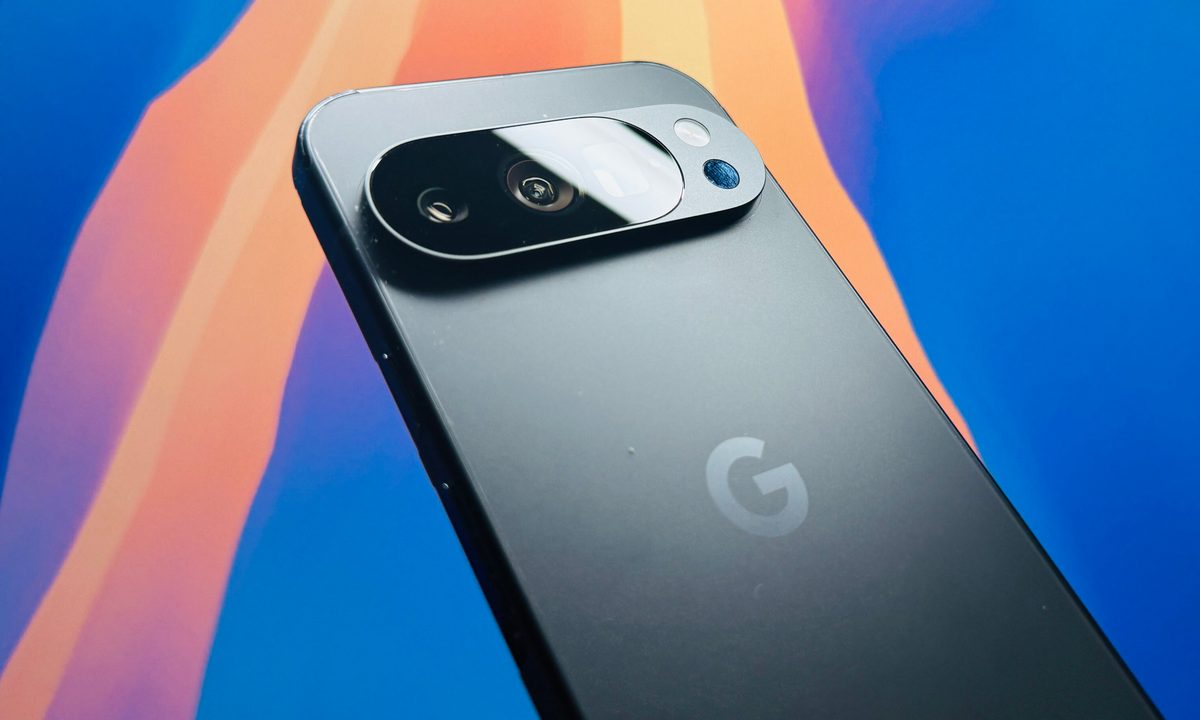
Rear shell of Google Pixel 10 Pro.
Nadeem Sarwar / Digital Trends

A new leak has shed light on what Google has planned for its upcoming Pixel 11 lineup, and if accurate, the changes run deeper than a typical year-over-year refresh.

What’s the latest on Google’s upcoming flagships

Mystic Leaks, who shared a few details about the Tensor G6 last week, is back with a broader breakdown (via 9to5Google) of the upcoming flagship series. The biggest headline is that the Tensor G6 chipset would move to a MediaTek M90 modem, ending Google’s reliance on Samsung’s Exynos modems. The chip is also expected to pack ARM C1 cores in a 1+4+2 configuration, along with a Power VR C-Series GPU, Titan M3 security chip, a new TPU (codename Santafe), and an updated image signal processor (codename Metis).

Recommended Videos

Camera hardware is also said to receive a refresh across the board. Google is reportedly including a new 50MP main sensor codenamed “chemosh” on the base Pixel 11 and Pixel 11 Pro Fold. The Pixel 11 Pro and Pro XL, on the other hand, will reportedly receive new main and telephoto sensors codenamed “bastet” and “barghest.”
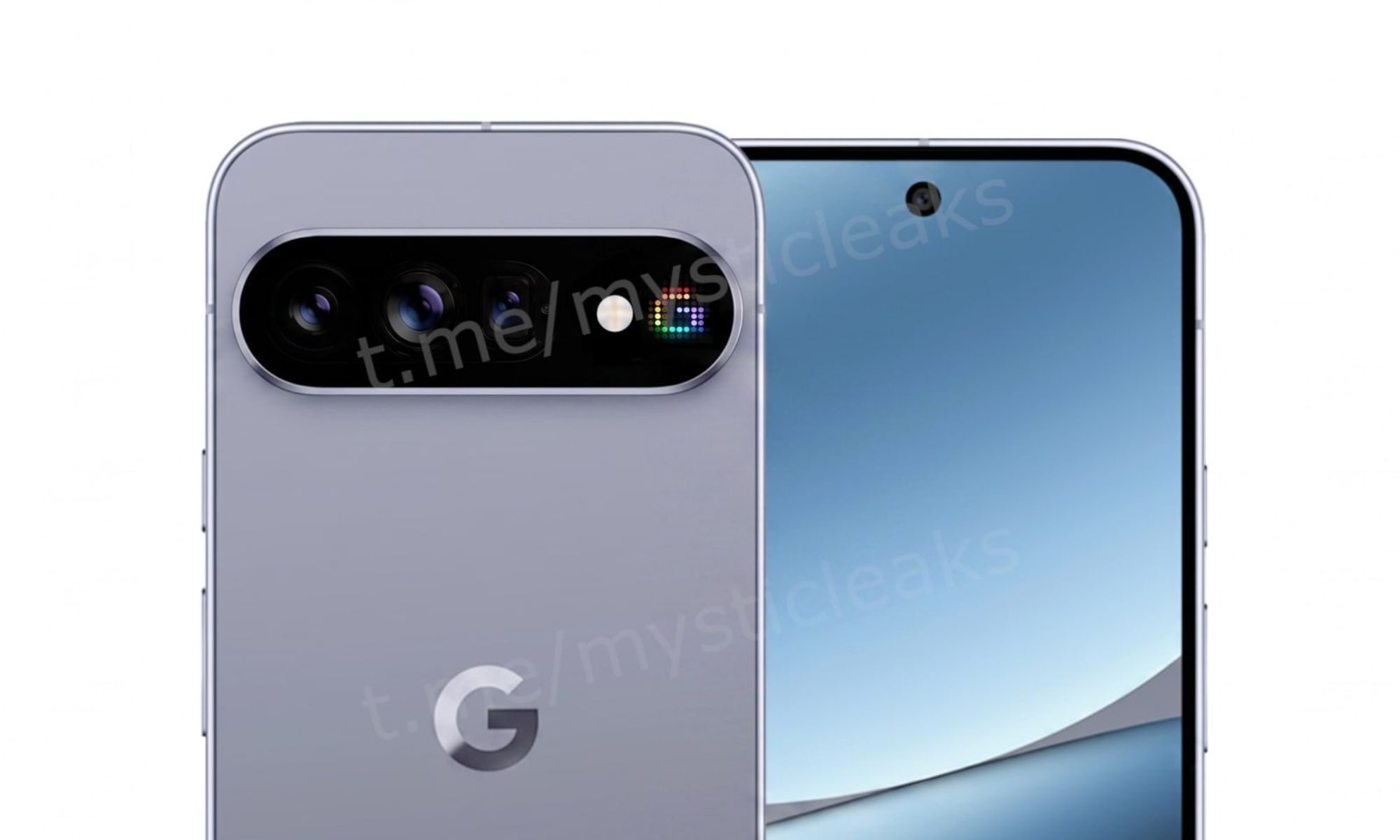
Elsewhere, the leak points to a new “Pixel Glow” feature, consisting of small LEDs on the camera bar that would replace the temperature sensor found on the current Pro models. It is expected to be somewhat like Nothing’s Glyph interface. However, the leak adds that Google’s updated face unlock hardware, known internally as Project Toscana, won’t be ready in time for the release and will skip the Pixel 11 series entirely.

The leak also details a few additional specs for each model:

Pixel 11Pixel 11 ProPixel 11 Pro XLPixel 11 Pro Fold
6.3-inch (1080×2424) display, 60-120Hz refresh rate, 240Hz PWM, up to 2,200nits6.3-inch (1280×2856) display, 1-120Hz refresh rate, 240Hz PWM, up to 2,450nits6.8-inch (1344×2992) display, 1-120Hz refresh rate, 240Hz PWM, up to 2,450nits2076×2160 OLED inner display, 1-120Hz refresh rate, up to 2,050nits
4,840mAh battery4,707mAh battery5,000mAh battery1080×2342 OLED outer display, 60-120Hz refresh rate, up to 2,450nits
8GB/12GB RAM12GB/16GB RAM12GB/16GB RAM4,658mAh battery
Colors: Black, Green, Pink, Purple12GB/16GB RAM

Google is expected to announce the Pixel 11 lineup in August. More details are expected to emerge in the months leading up to the launch.

Pranob Mehrotra
Pranob is a seasoned tech journalist with over eight years of experience covering consumer technology. His work has been…
iOS 26.5 adding encryption to RCS messages exchanged between Androids and iPhones
Encrypted RCS is arriving in Apple Messages, giving iPhone and Android chats a long-awaited privacy boost
RCS-messaging-on-iOS

Apple is adding encrypted RCS to messages exchanged between iPhone and Android users with iOS 26.5, but the useful detail is what you’ll see when protection is actually active.

The support is in the iOS 26.5 release candidate for developers and public testers, where Apple lists it as a beta. That matters because access depends on supported carriers and a gradual rollout, so installing the update won’t automatically mean every cross-platform chat is protected.

Read more
Metalenz’s new face scan tech lives under the phone display and doesn’t need ugly cutouts
Face ID under the display is finally real, and it's not from Apple.
Metalenz Polar ID

Face ID under the display is finally real, and it's not from Apple. Metalenz has developed the technology that lets facial recognition work from under the display. 

The notch. The punch-hole cutout. The Dynamic Island. Every phone maker has a different name for it, but they all share the same problem. There’s a big chunk cut out of your display to make the facial recognition work. Metalenz might have just solved that.

Read more
Samsung’s next-gen display can measure heart rate and blood pressure through your fingertip
Forget the smartwatch, your phone screen might soon track your vitals.
Samsung Display Booth at Display Summit

Samsung is always pushing the boundaries of what a display could do. Earlier this year, the company released its flagship Galaxy S26 Ultra with a Privacy Display that turns off wide-angle pixels, limiting the viewing angle so no one can snoop on your phone. 

Now, the company has showcased a display technology that could make your next smartphone a surprisingly capable health monitoring device. At Display Week 2026 in Los Angeles, the company unveiled its latest Sensor OLED Display, a 6.8-inch panel that integrates health sensors directly into the display itself. 

Read more