  1. Home
  2. Phones
  3. News

Google is planning an iPhone-like face unlock system for Pixel phones and Chromebooks

From hybrid NIR sensors to under-display infrared emitters, Google may be preparing a major biometric upgrade for the Pixel 11 and next-generation Chromebooks.

Add as a preferred source on Google
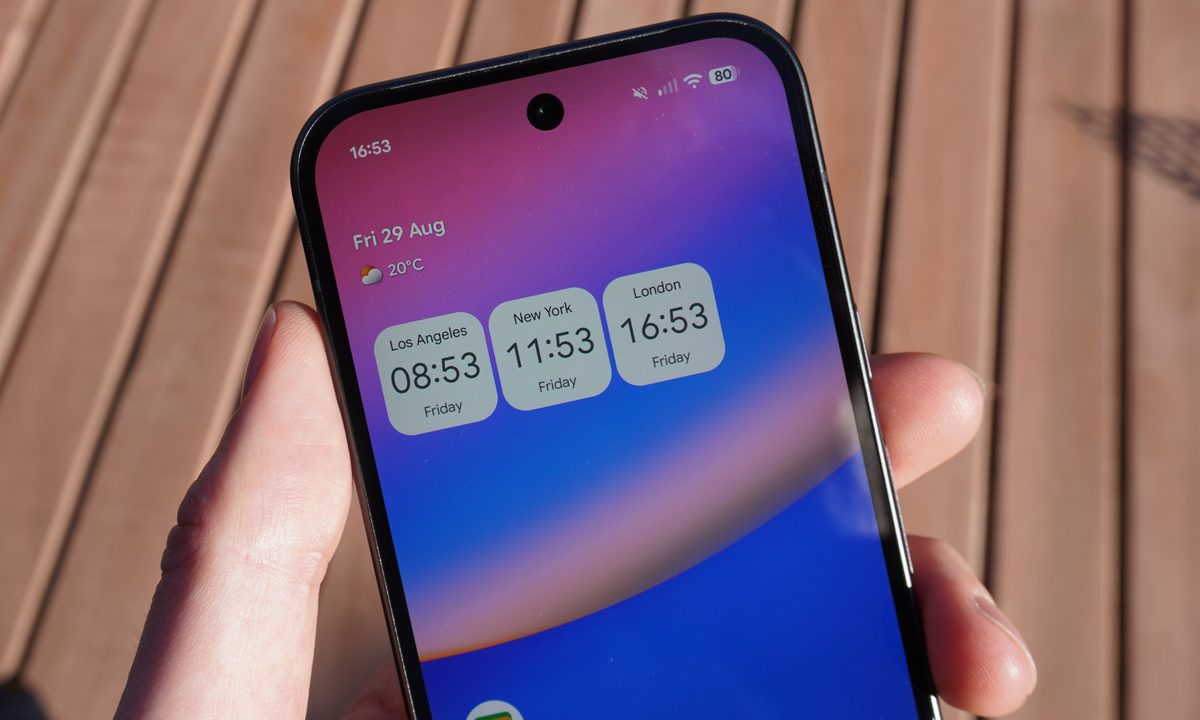
Top half of the Pixel 10 display, showing home screen with a world clock widget
John McCann / Digital Trends

Folks over at Android Authority have learned about Google’s “Project Toscana,” which seesms to be a codeword or internal name for facial recognition technology. What’s interesting is that the company is working to integrate the technology on both Pixel phones and Chromebooks.

The publication’s source has used the advanced facial recognition technology on a Pixel phone with only a single punch-hole camera on the front, and two Chromebooks (with the help of external cameras), under varied lighting conditions.
Hardware mystery: How does it work?

So, unlike the current AI-based face unlock on Pixel phones, which isn’t quite useful in poorly lit environments, Project Toscana seems to work in both good and poor lighting conditions. In fact, the publication goes so far as to say that the experimental tech works as “quickly” as Apple’s Face ID.

Recommended Videos

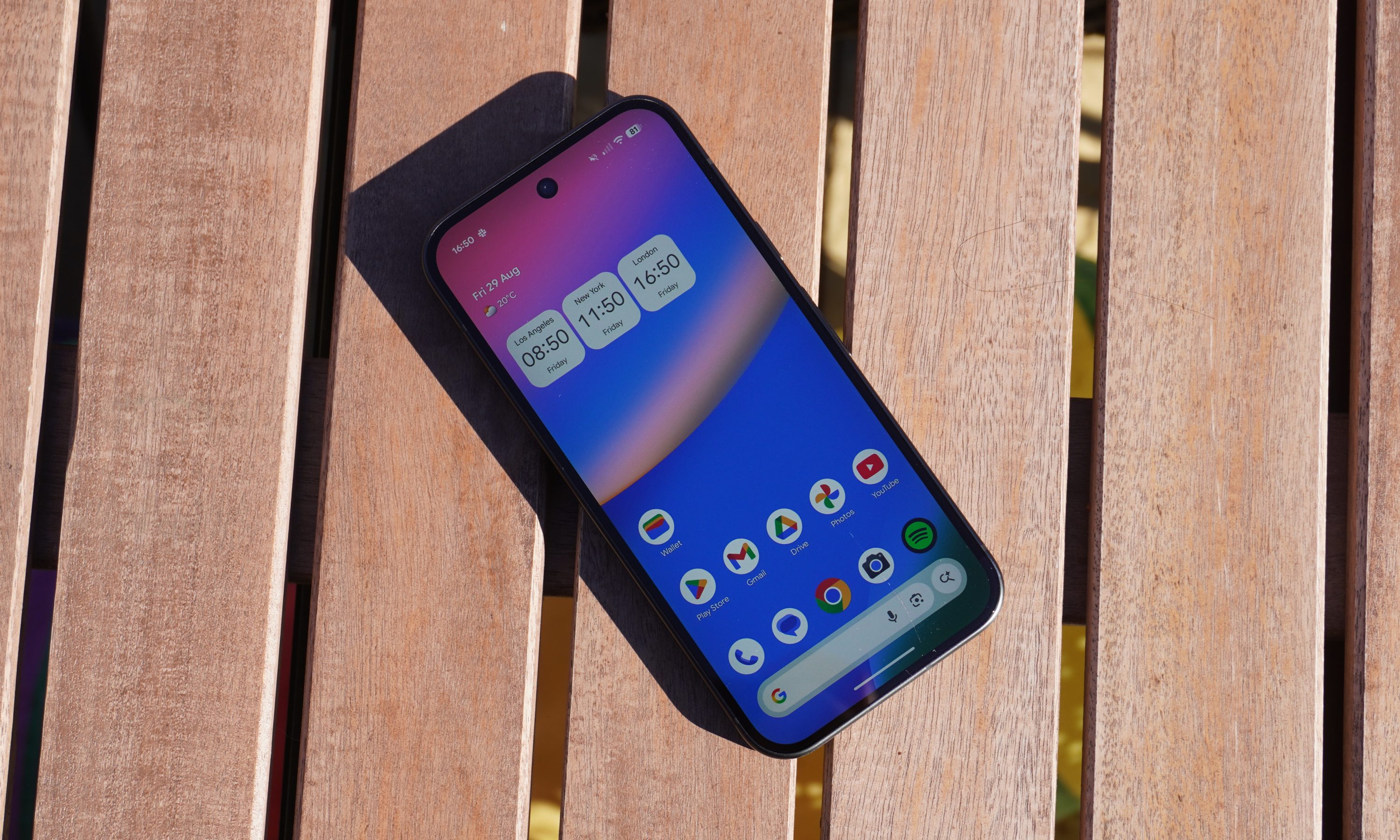
What’s puzzling me, however, is the fact that the advanced face unlock system has been tested on a phone with a punch-hole cutout, likely housing a single camera sensor. The report doesn’t mention any specialized hardware that enhances the technology’s accuracy.

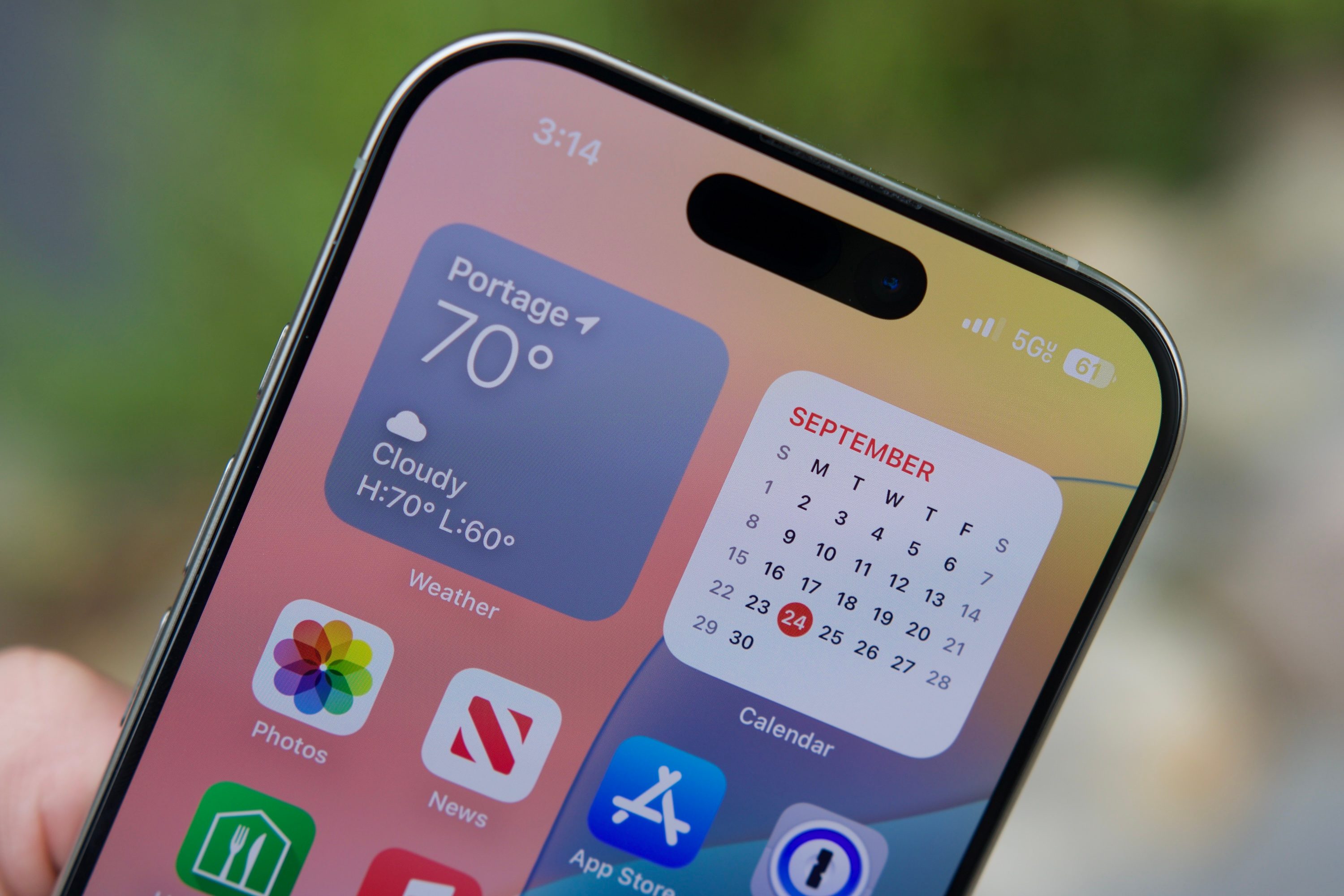
In comparison, Apple’s iPhones include a dedicated IR dot projector that projects more than 30,000 IR dots onto the user’s face and an IR camera that reads the dot pattern reflected from the face, and it is to hide all these sensors that the latest iPhones come with a Dynamic Island.
Could it be Tensor power and computational security?

From what I can read between the lines, Google’s Project Toscana could leverage hybrid camera sensors that may be able to capture both visible light and near-infrared (NIR) wavelengths.

Further, the mechanism could also include time-of-flight integration and computational liveness checks (via the advanced image signal processor on the proposed Tensor G6 chip).

Given that it isn’t clear whether the outlet’s source tested the feature on an existing Pixel or an upcoming model, I can’t comment on it with utmost surety.

If it’s an unreleased Pixel phone (likely the Pixel 11 due for a launch later this year), it might feature an invisible IR emitter tucked under the screen, something that has been rumored in the past as well.

Keeping the technical aspect of Project Toscana aside, it’s great to hear that Google is working to improve its facial recognition technology. We can expect the future Pixels, likely the Pixel 11, to feature the technology.


Shikhar Mehrotra
For more than five years, Shikhar has consistently simplified developments in the field of consumer tech and presented them…
Cash App now doubles as a phone carrier with a $40 unlimited plan
Your money app is coming for your phone plan next
Cash App Mobile Announcement

Cash App already handles a lot of your finances. From money transfers, debit cards, to investments and even tax filing, the platform does nearly everything. Now, it wants to take over another regular part of your life. The company has announced Cash App Mobile, a new unlimited 5G phone plan priced at $40 per month, with taxes and fees included. It runs on AT&T’s network and is powered by Gigs, a company that helps brands launch embedded mobile services. The plan is launching as a pilot for select Cash App users, with wider availability planned in the coming months.

The app you use to split dinner now wants to run your phone

Read more
Humbling teardown confirms Trump Phone is just a painted-over HTC phone
Electronics, Phone, Mobile Phone

When the Trump Mobile T1 was announced, it arrived wrapped in the kind of marketing language you’d expect from a product tied to Donald Trump: bold claims, patriotic branding, and plenty of references to American values. What wasn’t immediately clear was what made the phone itself special.

Now, thanks to a detailed teardown and CT scan analysis by iFixit, we appear to have an answer. And it’s not exactly the revelation Trump Mobile was probably hoping for. After peeling back the gold-colored exterior, investigators found what looks remarkably like another smartphone already on the market: HTC’s U24 Pro. That’s awkward for a device marketed as something distinct.

Read more
Saily just turned the eSIM into a $1 burner phone number
NordVPN’s eSIM app could save your real phone number from app spam
Saily eSIM now offers $1 Burner Number

If you're like me and have relied on travel eSIMs, you know the drill. You get access to mobile data abroad without paying the premium your carrier charges for the roaming bill. But more often than not, you're stuck with just data since you don't actually have a proper phone number to use.

But Saily is trying to make traveler eSIMs a lot more useful by actually including a phone number. NordVPN's eSIM app is now letting users get a dedicated US +1 phone number directly through the Saily app. The number subscription starts at $0.99 per month, with separate call and text plans also starting from $0.99. So, for less than a cup of coffee, you get a second number that can be handy for food delivery apps, hotel bookings, ticketing services, online marketplaces, 2FA codes, and all those random forms that ask for your phone number.

Read more