  1. Home
  2. Computing
  3. News

Samsung patent shows a laptop with a clever touch-sensitive palmrest for shortcuts

This new Samsung laptop patent wants to rewire your typing habits

Add as a preferred source on Google
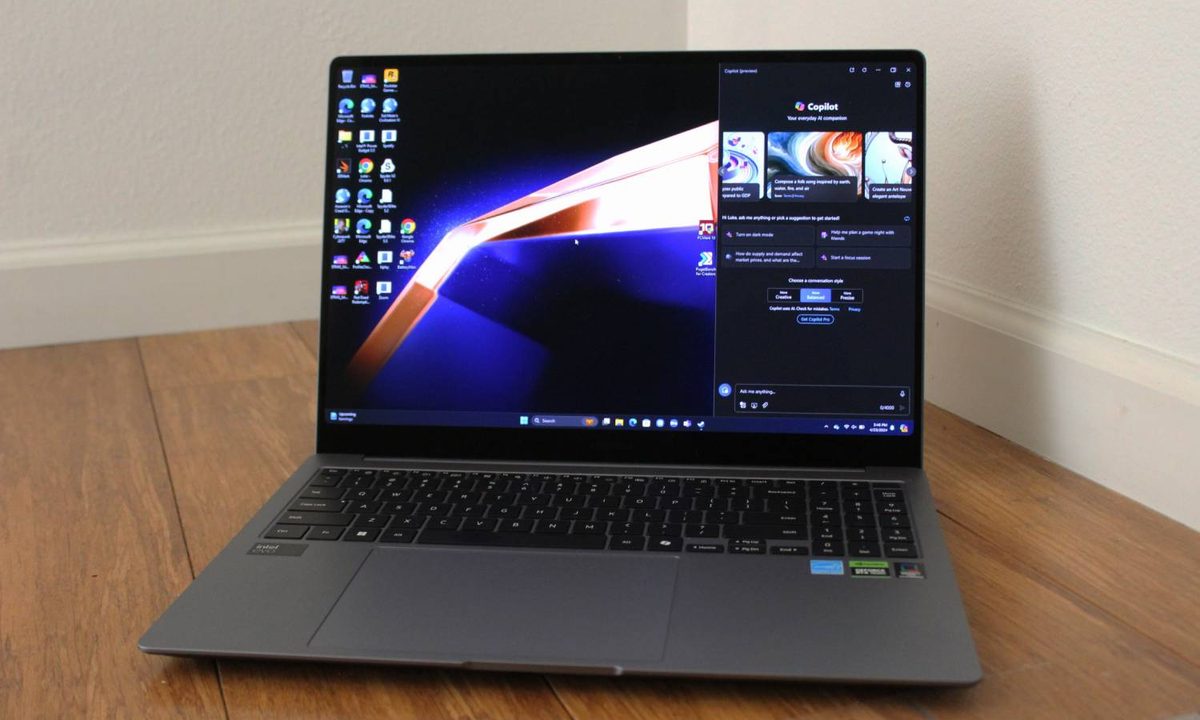
The screen of the Galaxy Book4 Ultra.
Luke Larsen / Digital Trends

Samsung has been known to file some bizarre patents from time to time, including its ⁠multi-fold laptop and rollable smartphone concepts from 2022. A new patent from the company has recently surfaced, showcasing a laptop concept that could reduce the need for modifier keys like Ctrl, Shift, and Alt. The laptop in the patent is shown using built-in sensors in the palmrest to detect the position of the user’s arms and adjust the function of the keys accordingly.

Could your palmrest replace Ctrl and Shift?

According to the patent, when the system detects your hand on the surface, the keys work as normal. When you lift your hand away, the same keys perform different functions. For example, pressing “C” with your hand resting on the palmrest would simply type the letter. Pressing the same key after lifting your hand off the palmrest could trigger the copy command, or Ctrl + C. The same idea applies to “Z” for undo, “V” for paste, and number keys for things like volume and playback control.

The idea seems to be to cut down on multi-key shortcuts like Ctrl + C or Ctrl + Z. Instead of pressing two keys at once, you could simply lift your hand off the palmrest and press the same key to trigger a different action.

Would users actually want this?

The patent also says the sensors do not have to be limited to the palmrest. They could be placed on other parts of the laptop body, which means the system could work with dual-screen laptops or other unconventional designs. Samsung’s sensors would likely have uses beyond acting as fancy replacements for Ctrl and Shift, too.

Recommended Videos

There is no confirmation that this concept will appear in any actual product. Patents often represent early-stage ideas that never make it to market. If Samsung does pursue it, the bigger challenge will be user adoption. Most people are deeply familiar with modifier keys, and relearning how to type and use a laptop based on hand placement would take significant adjustment.

Sudhanshu Kumar Mangalam
I’ve got about 4 years of experience, mostly covering gaming, PC hardware, and smartphones. In my free time, I like…
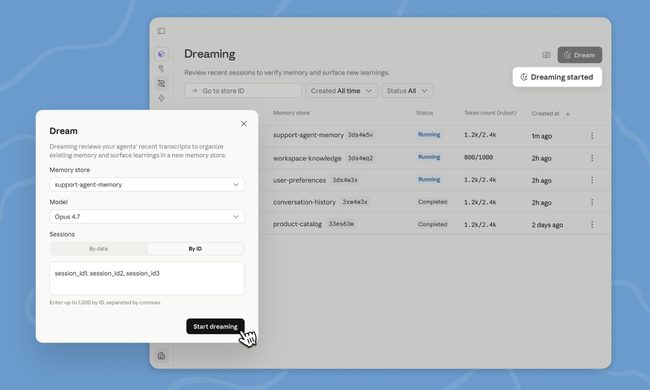
Anthropic just taught Claude to dream between tasks, and it makes agents meaningfully smarter
Dreaming turns Claude from an AI that forgets everything the moment a session ends into one that quietly gets better at its job every time it's not actively working.
Claude Dreaming featured image.

Anthropic just gave Claude something that sounds like a perfect science fiction plot: the ability to dream. The company has announced three upgrades to Claude Managed Agents: Dreaming, Outcomes, and Multiagent Orchestration. 

While I agree that the Dreaming clearly has the most evocative name, it’s also the one with the most practical implications for developers building AI agents that can handle complex, long-running work. 

Read more
The Desktop Paradox: I finally understand why gamers hesitate before going OLED
It’s not the price, it’s not the hype, it’s that one tiny fear you can’t ignore.
ASUS ROG Swift OLED PG32UCDM Gen3 (PG32UCDM3) Banner

The year is 2026, and the OLED revolution has officially landed on our desks. Not just in flashy ads or YouTube thumbnails, but right there in your shopping cart. You’ve probably hovered over that “Buy Now” button at least once, stared at the price, imagined your setup glowing like a dream… and then quietly closed the tab.

Because here’s the thing. Everyone agrees OLED is the best display tech out there. It’s the holy grail. It’s what makes TVs look unreal, and smartphones feel premium. Deep blacks, insane contrast, instant response times. It’s the stuff gamers brag about. And yet, for something so perfect, it’s surprisingly missing from a lot of desks.

Read more
iOS 27 could treat AI models like default apps, and that may finally get me to use Apple Intelligence
While Android locks you into Gemini and Windows defaults to Copilot, Apple's iOS 27 is reportedly handing you the controls for the very first time.
Siri running on iPhone

Most people who use AI daily, including me, have already found their preferences. I use a paid Claude subscription to help with my editorial chores (headline brainstorming, fine-tuning the tone, etc.), while Gemini is my go-to AI model for image generation and background research, especially when I want to go deep on a topic.

Maybe you use Perplexity for search or ChatGPT for code, and that's absolutely fine, as it only boosts your productivity and gets you the right information faster. The problem is, the operating system on your phone or laptop isn't aware of your choice, and until now, it didn't even care before imposing its own choice of AI.

Read more