  1. Home
  2. Wearables
  3. News

The privacy nightmare of smart glasses turns real as victim filmed and extorted

A smart glasses filming scandal shows how ugly wearable cameras can get

Add as a preferred source on Google
Meta Ray-Ban Gen 2 Smart Glasses
Meta Ray-Ban Gen 2 Smart Glasses Meta

Smart glasses have always had an obvious privacy concern, and a new BBC investigation just showed us why. A woman identified as Alice was approached by a man in a London shopping centre while he was wearing smart glasses. She thought it was a normal interaction and did not realize she was being recorded. The footage was later uploaded online and viewed around 40,000 times.

Where everything went wrong
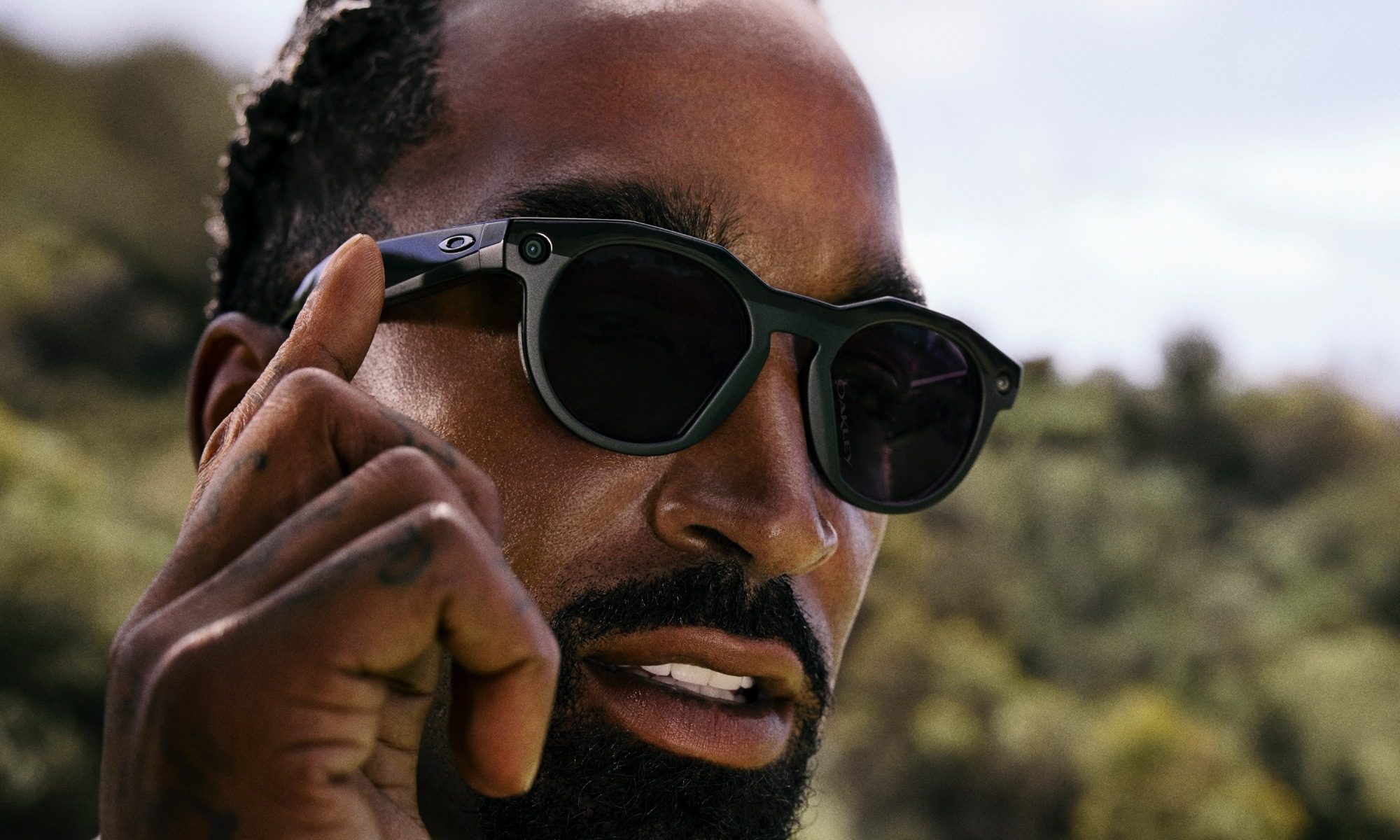
Content creators or influencers recording unassuming pedestrians isn’t new—and is often harmless. But the story took a darker turn after Alice contacted the creator after she saw the video online. She explained to the person that it made her feel humiliated and asked for it to be removed. In an email response, the man allegedly called the removal a “paid service.” Alice described the experience as a breach of privacy and said it left her feeling exploited and powerless.

Recommended Videos

The man, who reportedly runs multiple accounts across TikTok and Instagram, did not reveal his identity and told BBC that his content was meant to show “light-hearted, respectful interactions”. He further added that the payment wording was a misunderstanding related to editing services. However, Alice said she had only asked for the video to be deleted.

Why privacy laws struggle here
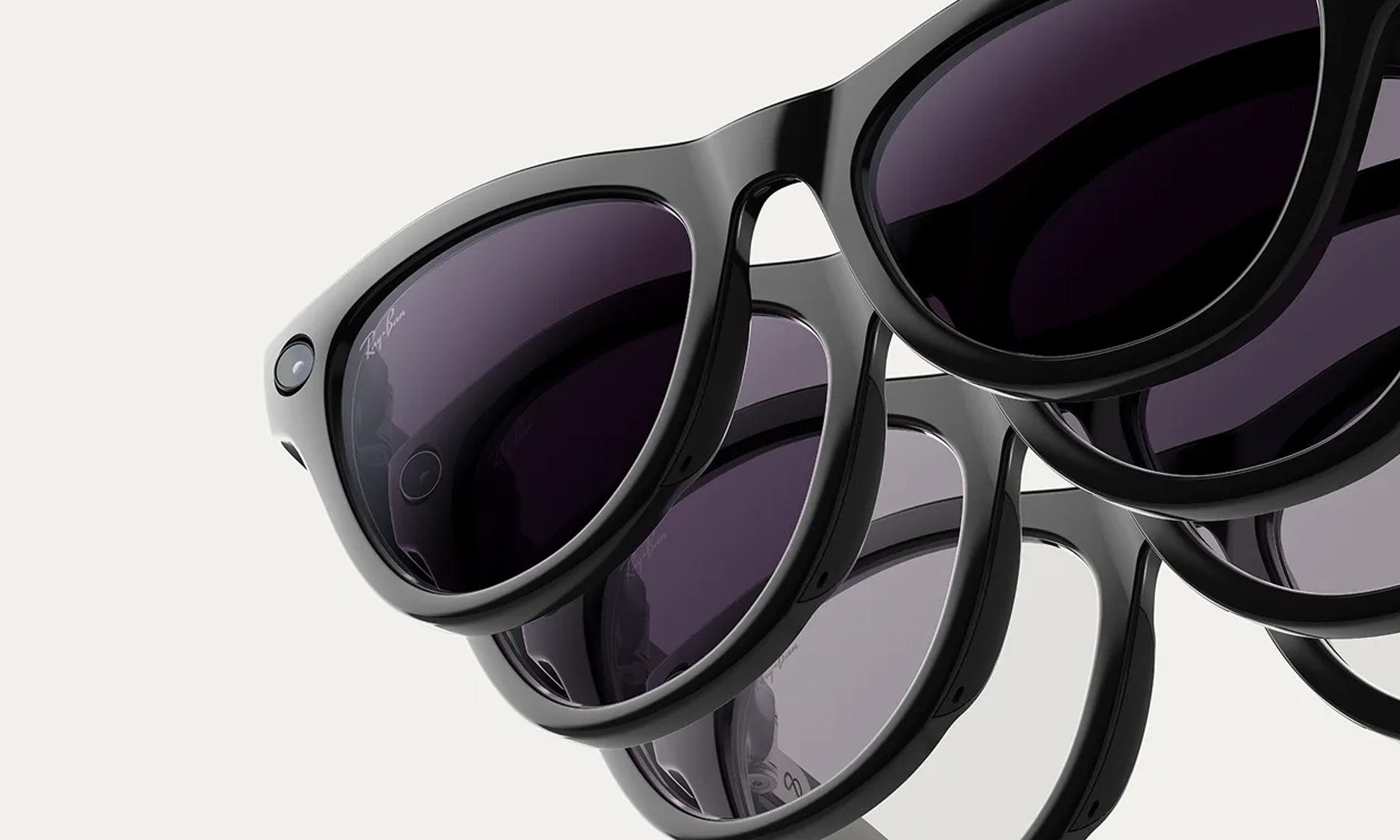
The case highlights a difficult gap between wearable camera technology and privacy protections. Legal experts quoted in the report said the situation may not fit the standard definition of blackmail, but refusing to remove a video unless someone pays can still be considered a threat. The issue is quite unsettling because smart glasses do not look like a phone pointed at someone’s face, and many modern models can record from the wearer’s point of view, making public interactions easier to capture without the obvious warning.

Smart glasses aren’t inherently the problem. Though the ecosystem around them, with creators chasing engagement, platforms rewarding humiliation clips, and victims fighting for removal, is painting a bleak picture.

Vikhyaat Vivek
Vikhyaat Vivek is a tech journalist and reviewer with seven years of experience covering consumer hardware, with a focus on…
Google’s Fitbit Air is a screenless $99 Whoop rival, and its core features don’t need a subscription
The real competitive edge Fitbit Air has is that Google separated the hardware cost from the subscription entirely, giving users something Whoop never has: a choice about whether to pay monthly at all.
Fitbit Air in all the colors.

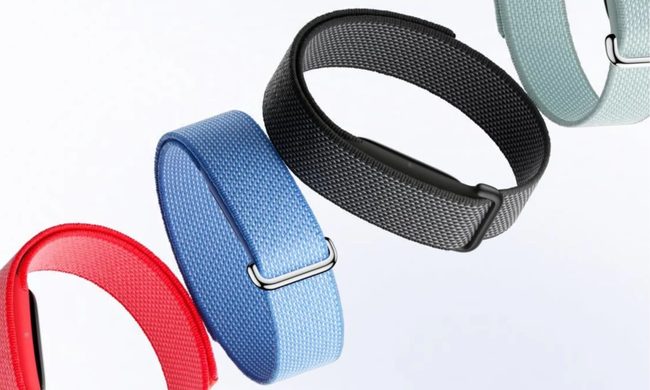
Google just made its most serious moves yet into the fitness tracker market. The maker of the Pixel Watch has officially unveiled the Fitbit Air, a screenless health band priced at $99.99. Unlike Whoop, which locks all the fitness data behind a paywall, Fitbit Air’s core health-tracking features will remain free. 

Currently available for pre-orders, the device will start shipping across 21 countries starting May 26, 2026. You can get the tracker in four Pixel-like colors, including Obsidian, Lavender, Fog, and Berry, and choose from three different strap styles: Performance Loop, Active Band, and Elevated Modern Band. 

Read more
Your Galaxy Watch can now warn you before you faint
Your wrist might know you're about to faint before your brain does.
Wristwatch, Arm, Body Part

Fainting might seem like a dramatic but harmless event, but the real danger lies in what happens next. A sudden fall can result in fractures, concussions, and other serious injuries. It is especially harmful for elderly people and can cause some serious head trauma and mobility issues.

Samsung's latest research could change that. The company has completed a joint clinical study with Chung-Ang University Gwangmyeong Hospital in Korea, successfully validating that the Galaxy Watch 6 can predict vasovagal syncope (VVS) before it happens. 

Read more
Dreame wants to kit you out with a smartphone, a smart ring, and a rocket-powered sports car
The home appliance brand recently showcased its first phones, three AI smart rings, and a vehicle that hits 60 mph in under a second.
Machine, Spoke, Wheel

Dreame Technology, best known for its robot vacuums and other smart home products, has its sights set on becoming your phone maker, wearable brand, and car company. At its DREAME NEXT event in San Francisco last week, the company unveiled two smartphones, three smart rings, and a rocket-powered sports car, pushing into categories it has never competed in before.

Dreame's first smartphones are built around modular hardware

Read more