Google just made its most serious moves yet into the fitness tracker market. The maker of the Pixel Watch has officially unveiled the Fitbit Air, a screenless health band priced at $99.99. Unlike Whoop, which locks all the fitness data behind a paywall, Fitbit Air’s core health-tracking features will remain free.
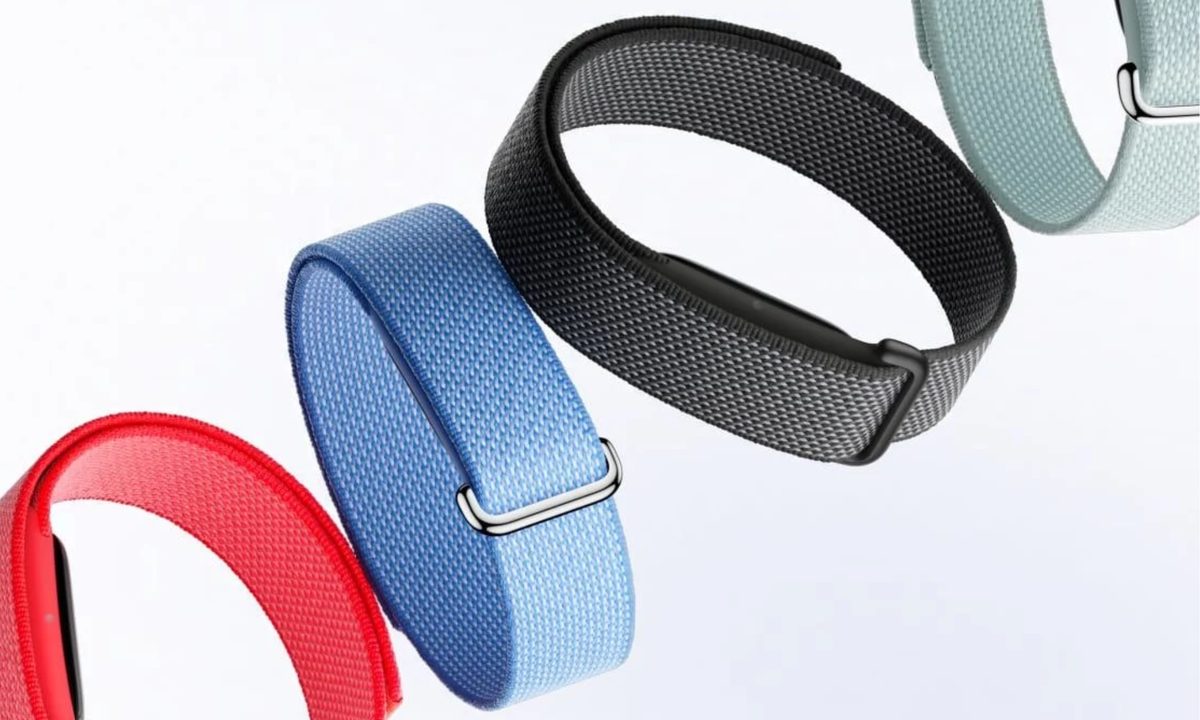
Currently available for pre-orders, the device will start shipping across 21 countries starting May 26, 2026. You can get the tracker in four Pixel-like colors, including Obsidian, Lavender, Fog, and Berry, and choose from three different strap styles: Performance Loop, Active Band, and Elevated Modern Band.
What does the Fitbit Air actually track?
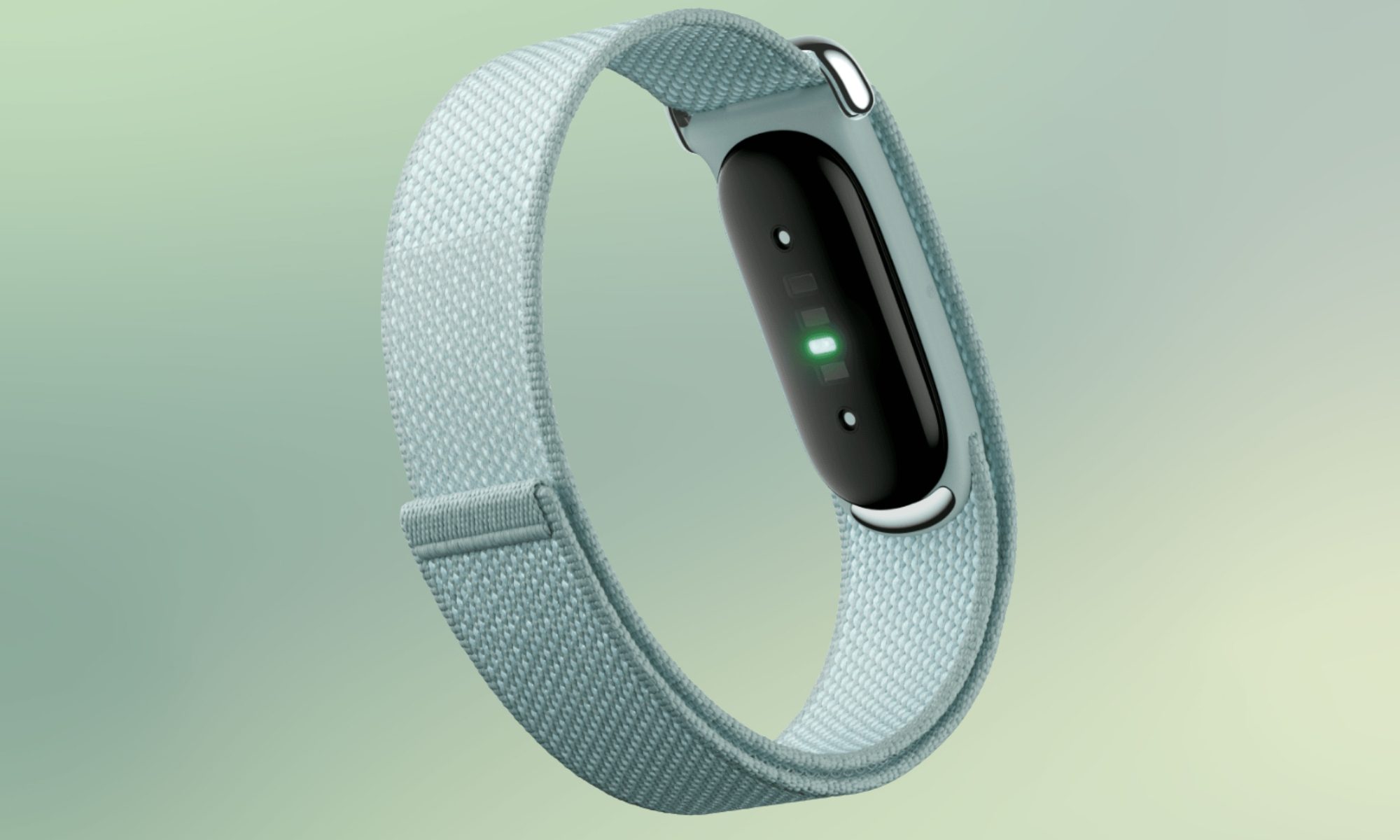
Despite weighing just 12 grams with the strap (5 grams without it), the Fitbit Air packs a meaningful sensor suite for anyone who is serious about health and fitness tracking.
The device offers 24/7 heart rate with AFib irregular rhythm notifications, heart rate variability (HRV), blood oxygen (SpO2), skin temperature, and the usual steps/calories counter. It also provides sleep stages and duration tracking, and supports automatic activity detection.
There’s no built-in display, and that’s intentional. The idea is to let your wrists remain free of any distractions while you’re performing a physical activity, while the tracker silently collects data in the background, which syncs to your phone via Bluetooth.
The device is water-resistant up to 50 meters, so you can technically wear it to your swimming sessions. A complete charge should last you up to seven days, taking about 90 minutes to reach from zero to 100% with the magnetic charger.

How does the Fitbit Air compare to Whoop?
Unlike Whoop, Fitbit Air’s core tracking features work without a subscription right out of the box.
However, if you want to access advanced features like the Google Health Coach, a Gemini-powered AI assistant for analysing your fitness data, along with long-term data and personal insights, you have to pay for the Google Health Premium subscription ($9.99 per month).
What’s good is that you get a three-month trial of the Health Premium subscription for free, included in the price of the Fitbit Air. Google has also confirmed compatibility with both Android and iOS devices. For the first time, you can also pair both a Pixel Watch 4 and a Fitbit Air to the same Google Health account.
The Fitbit Air is Google’s most intentional attempt at tapping into Whoop’s substantial user base. By keeping the core health features free for all users and offering the Health Premium membership at a lower price than Whoop’s annual membership, Google could compel health-centric users to pick up the Fitbit Air.