
  1. Home
  2. Emerging Tech
  3. News

Digital Trends may earn a commission when you buy through links on our site. Why trust us?

Kenya tells Microsoft that $1 billion AI data center would gulp half the country’s electricity

The proposed facility reportedly demands electricity on a scale the country simply cannot afford right now.

Add as a preferred source on Google
Microsoft Logo on a building office
‪Salah Darwish / Unsplash

The AI industry keeps talking about bigger models, faster chips, and trillion-parameter futures. What it talks about far less is the absolutely absurd amount of electricity needed to keep all of this running. That reality just hit a major roadblock in Kenya, where Microsoft’s proposed $1 billion AI data center project is reportedly facing resistance after government officials warned that the facility could consume so much power it might require “switching off half the country” to keep it operational.

Microsoft’s Kenya AI data center reportedly needs more power than the grid can comfortably handle

The project, announced in partnership with Abu Dhabi-based AI firm G42, was originally intended to bring a large Azure cloud and AI region to East Africa, powered by geothermal energy from Kenya’s Rift Valley. Initial plans reportedly targeted around 100MW capacity, with long-term ambitions stretching toward 1GW.
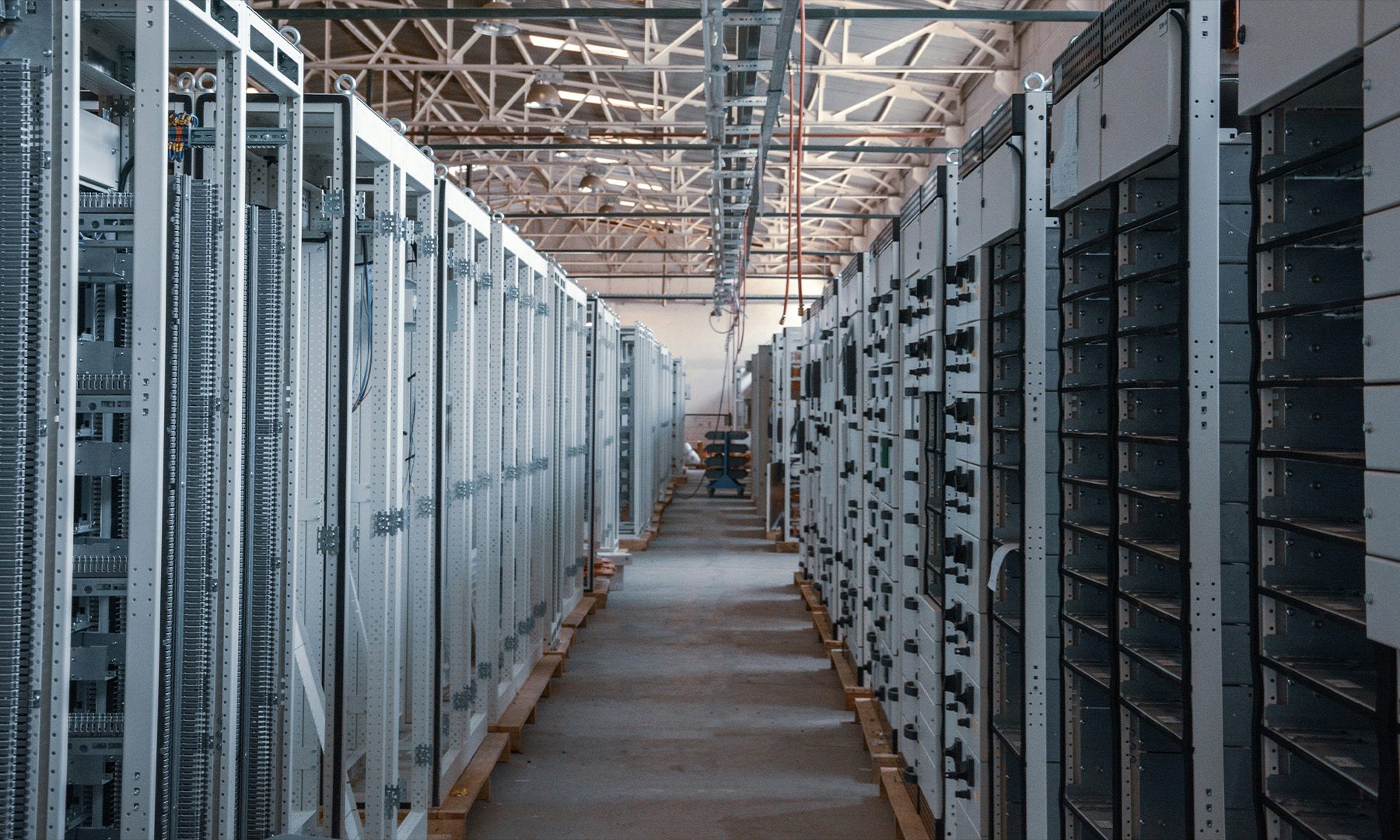
However, that scale is now becoming the biggest issue. Kenya’s peak electricity demand, as per Bloomberg’s report, already touched roughly 2,444MW earlier this year, meaning a fully scaled 1GW AI facility could consume an enormous chunk of the nation’s available power infrastructure. Negotiations between Microsoft, G42, and Kenyan authorities have reportedly stalled over power guarantees and infrastructure concerns, though officials insist the project has not been canceled outright.

The AI boom is quietly turning into an energy crisis nobody fully prepared for

Honestly, Kenya’s situation feels less like an isolated problem and more like a preview of what the global AI race could start looking like very soon. AI data centers are becoming so power-hungry that entire countries are beginning to rethink whether their grids can realistically support these projects without affecting ordinary citizens.

The uncomfortable reality is that AI’s massive energy demands are becoming harder to ignore globally, with data centers already consuming a significant share of electricity in major markets. Kenya simply ended up saying out loud what many countries will probably have to confront soon: powering the AI boom is starting to look like an infrastructure problem as much as a technology one.


Varun Mirchandani
Varun is an experienced technology journalist and editor with over eight years in consumer tech media. His work spans…
Japan built robot wolves to thwart bear attack, and they’re flying off the shelves
Orders for the “Monster Wolf” have reportedly tripled amid rising wildlife attacks.
Monster Wolf Robot in Japan Featured

There are very few headlines that sound equally believable as both a robotics breakthrough and the plot of a low-budget sci-fi horror movie. Japan deploying glowing robot wolves to scare away bears is definitely one of them. The country’s bizarre robots are suddenly seeing a huge spike in demand, as reported by AFP, as bear attacks and sightings continue surging across Japan.

Japan’s robot wolves are becoming surprisingly popular anti-bear weapons

Read more
OpenAI is giving ChatGPT Plus subcription to a whole country
Malta’s partnership could push governments toward treating AI access like public infrastructure.
Man using ChatGPT on a laptop

ChatGPT Plus used to feel like one of those optional internet subscriptions people quietly justified to themselves every month. Now, OpenAI is partnering with governments to roll it out at a national level, which honestly feels like a very different conversation altogether.

OpenAI has officially announced a partnership with Malta that will provide ChatGPT Plus access to all Maltese citizens and residents for one year after they complete a free AI literacy course. The initiative, called “AI for All,” is being developed alongside the University of Malta and is being described as the company’s first nationwide partnership of this kind.

Read more
Amazon employees are doing fake tasks because they’re forced to use more AI and show it
Amazon Building Office Logo

The corporate AI race is slowly starting to feel less like innovation and more like performance art. Companies desperately want employees to “embrace AI,” employees desperately want management off their backs, and somewhere in the middle, everyone is now apparently automating tasks nobody actually needed automated in the first place.

According to a new Financial Times report, Amazon employees are using the company’s internal AI tool called “MeshClaw” for unnecessary tasks simply to inflate their AI usage scores and appear more aligned with the company’s growing AI-first culture. For context, Amazon’s MeshClaw can initiate code deployments, triage emails, and interact with apps such as Slack, according to people familiar with the matter.

Read more