
  1. Home
  2. Emerging Tech
  3. News

Japan built robot wolves to thwart bear attack, and they’re flying off the shelves

Orders for the “Monster Wolf” have reportedly tripled amid rising wildlife attacks.

Add as a preferred source on Google
Monster Wolf Robot in Japan Featured
wolfkamuy

There are very few headlines that sound equally believable as both a robotics breakthrough and the plot of a low-budget sci-fi horror movie. Japan deploying glowing robot wolves to scare away bears is definitely one of them. The country’s bizarre robots are suddenly seeing a huge spike in demand, as reported by AFP, as bear attacks and sightings continue surging across Japan.

Japan’s robot wolves are becoming surprisingly popular anti-bear weapons

Originally built to keep deer and wild boars away from farms, Japan’s bizarre “Monster Wolf” robots are now being deployed near residential areas, resorts, golf courses, and even construction sites as wildlife encounters continue rising across the country. Which honestly sounds like the setup for a very weird survival horror game.
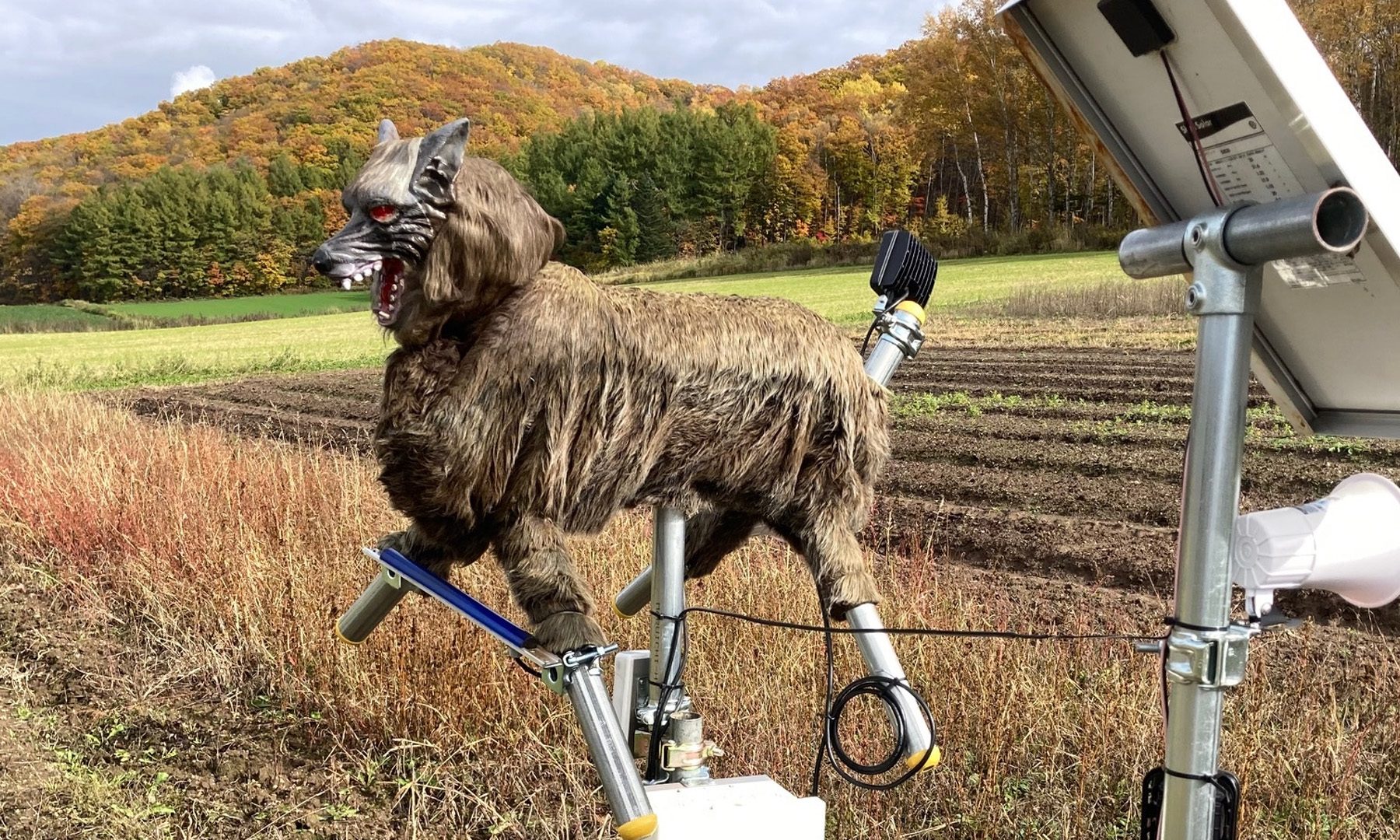
Developed by Hokkaido-based company Ohta Seiki, the robot looks exactly as terrifying as its name suggests. It uses infrared sensors to detect nearby animals, after which its glowing red eyes light up, its head starts moving around, and it blasts loud sounds ranging from wolf howls to industrial noise designed to scare the living daylights out of anything nearby.

And somehow, the ridiculous-looking thing actually works. CCTV footage has reportedly captured bears and wild boars immediately running away after triggering the robot, while demand has become so intense that buyers are now facing waiting periods of up to three months. The urgency is real too, with Japan recently recording over 50,000 bear sightings and a growing number of attacks, partly blamed on climate shifts and food shortages pushing wildlife closer to cities.

Honestly, this feels like Japan solving problems in the most Japanese way possible

The funny thing is that the “Monster Wolf” initially looked like one of those inventions the internet would laugh at for a week before forgetting entirely. Instead, it accidentally became a genuinely practical example of robotics solving a very specific real-world problem.
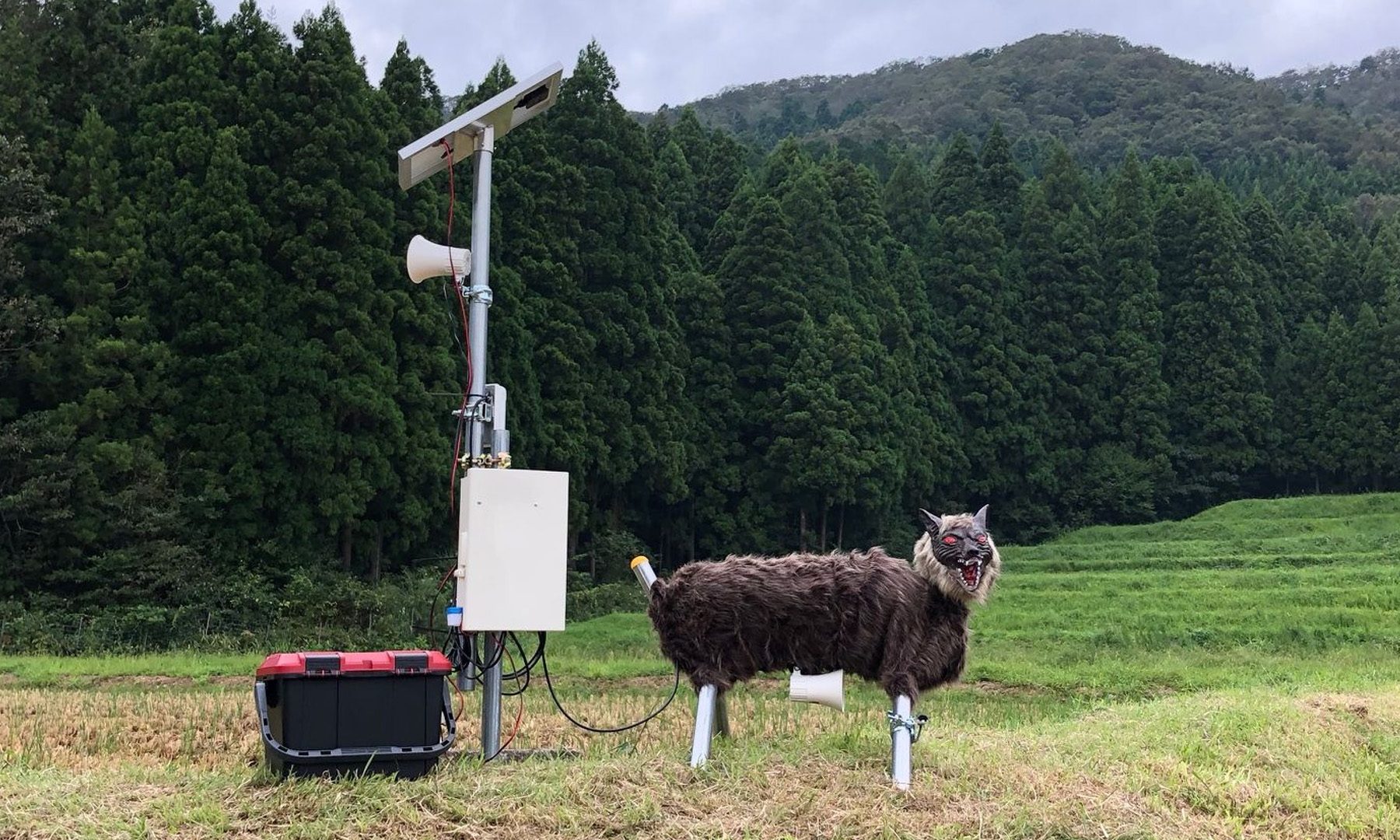
And honestly, this whole thing also says a lot about where modern robotics is heading. Not every robot needs to be a humanoid AI assistant replacing office workers. Sometimes, a terrifying solar-powered wolf with glowing eyes and speakers loud enough to traumatize wildlife is apparently the smarter solution. Weirdly enough, it also feels very on-brand for Japan, a country that has spent decades quietly turning strange robotics experiments into surprisingly effective real-world products.

Varun Mirchandani
Varun is an experienced technology journalist and editor with over eight years in consumer tech media. His work spans…
This jacket pulls drinking water straight from the air
Engineers at UT Austin have developed a wearable textile that harvests ambient moisture into drinkable water.
Image showing person wearing a jacket with special fiber that pulls water from air

Engineers at the University of Texas at Austin have built a jacket that pulls drinkable water directly from the air, offering a potential solution for hikers, soldiers, agricultural workers, and emergency responders who operate far from reliable water sources.

How the jacket collects water

Read more
Google built an AI that can see football plays before they happen
DeepMind’s latest research predicts player movement up to eight seconds into the future
Google Deepmind TacticAI Featured

Football managers spend countless hours analyzing corners, free kicks, and player positioning in search of tiny competitive advantages. Google DeepMind believes artificial intelligence can make that process significantly faster, and its latest project, TacticAI, is designed to do exactly that. TacticAI is a football-specific AI assistant capable of modeling player movement, forecasting future play dynamics, and even recommending tactical adjustments for corner kicks. One of its standout abilities is predicting player trajectories up to eight seconds into the future using only broadcast-style visual data.

TacticAI was built with Liverpool FC and validated by football experts

Read more
Radical new coffee-making method uses sound, skips hot water and reduces energy bills
UNSW reserachers brewed espresso with room-temperature water and ultrasonic sound waves, cutting energy use by 75% in blind tests that fooled 100 regular drinkers.
Person brewing espresso in a lab with a modified ultrasonic espresso machine

Researchers at UNSW Sydney have figured out how to brew espresso-strength coffee without heating any water. The method replaces hot water and high pressure with ultrasonic sound waves, and in blind taste tests involving 100 regular coffee drinkers, participants could not tell the two apart.

How it works

Read more