  1. Home
  2. Computing
  3. News

OLED MacBook Pros are almost here, and the display could be worth the wait

The OLED MacBook Pro is no longer a distant dream, and your display experience is about to get a serious upgrade.

Add as a preferred source on Google
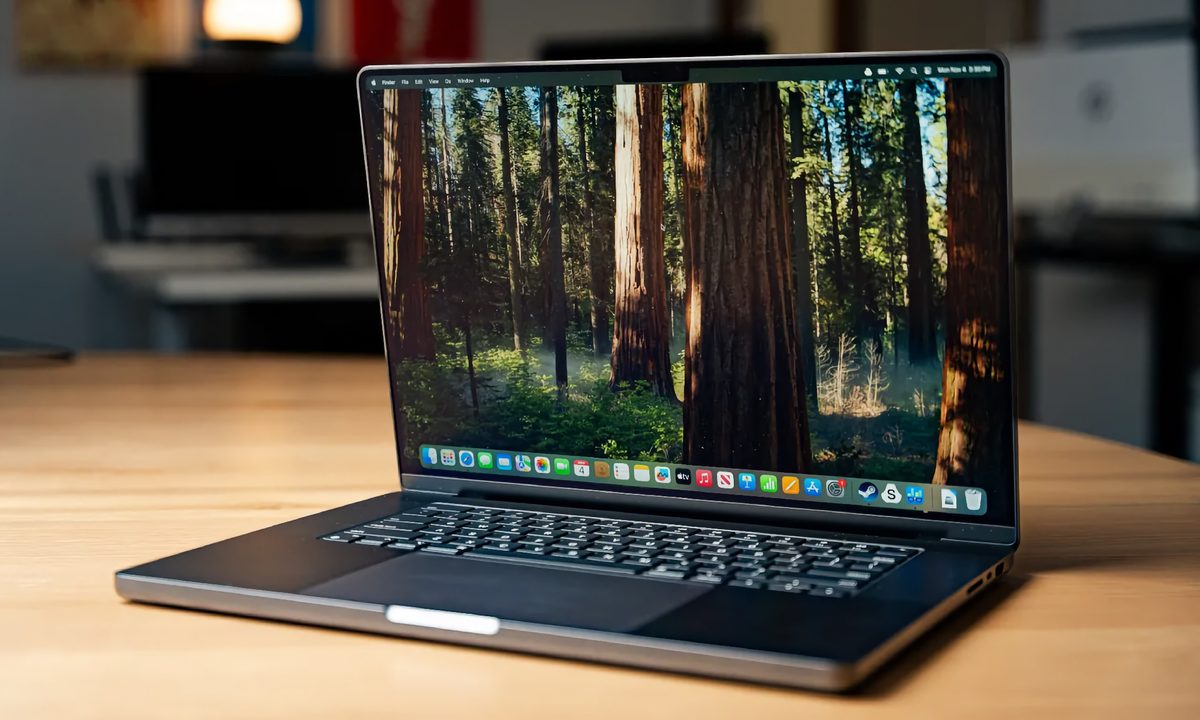
MacBook Pro on Table
Chris Hagan / Digital Trends

I recently wrote an article on why I am excited about the upcoming MacBook Pro. One of the reasons mentioned there was the expected display upgrades, which will include the move to an OLED panel and quite possibly the addition of a touch screen. 

It seems that the OLED rumor is almost confirmed. According to TheElec, the OLED panels for MacBook Pro have already entered the mass production phase. Samsung Display has crossed a major manufacturing milestone, achieving a yield of over 90% for its 8.6th-generation OLED panels. 

What does yield even mean?

In simple terms, yield refers to the percentage of panels that come out of production without defects. The display industry considers anything around 90% to be the sweet spot for mass production. Samsung has not only hit that number but pushed some individual processes to 95%, which the company calls a “golden yield.”
The process had only a 80% yield last month, so getting here in just over a month is impressive. Higher yields mean lower production costs, which can eventually translate into more affordable products for consumers. Although if Apple’s past record is anything to go by, the cost benefit will not be passed on to its users. 

Recommended Videos

Samsung Display is currently running one production line at half its total capacity, producing 7,500 sheets per month. The panels are headed straight for Apple’s 14-inch and 16-inch MacBook Pro models, with shipments expected to begin as early as next month and a supply volume of around 2 million units estimated for this year.

Why is making laptop OLEDs so hard?

Laptop OLED displays are significantly harder to manufacture than smartphone panels. They are larger, stay on for longer periods, and require higher brightness, better lifespan, and brightness uniformity across a larger surface area. 

Samsung’s panel uses a two-stack tandem structure that layers two light-emitting layers on top of each other, which is one of the reasons securing high yield has been such a challenge. It’s the same tandem-OLED technology that Apple uses in its iPad Pro lineup, which packs some of the best OLED displays on the market. 

If sales of OLED MacBook Pros go well, Samsung is ready to activate its second production line, which would double output almost immediately. MacBook Neo has already become a runaway success for Apple, and Apple might be looking for a repeat. 

However, the upcoming MacBook Pros are also rumored to receive a significant price hike, which might curtail some enthusiasm.

Rachit Agarwal
Rachit is a seasoned tech journalist with over seven years of experience covering the consumer technology landscape.
This one new Raycast 2.0 feature is driving me mad
Raycast 2.0 is a fantastic update, but this one change has completely broken my workflow.
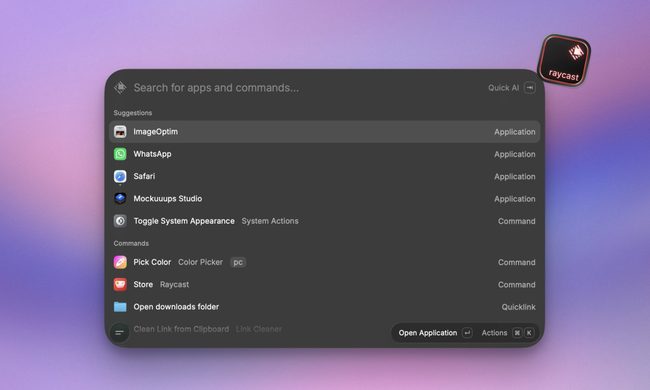
Raycast 2.0 running on Mac

I have been using Raycast for years, and it is easily one of my favorite Mac apps. It does so much without ever getting in the way, which is exactly what you want from a productivity tool. So naturally, when Raycast 2.0 landed, I updated within minutes. 

For the most part, I love all the new features and interface changes that came with the new update. But there is one change that has been quietly annoying me every single day since I updated, and I need to talk about it.

Read more
You can now send Codex tasks from your phone even when your Mac is locked
Codex working when Mac is locked

OpenAI's Codex app for Mac just got a major upgrade, and it's the kind that makes you feel like you're living in the future. You can now send Codex a task from your phone, and it will go ahead and use apps on your Mac, even if the screen is off and the computer is locked.

One of the major issues with AI agents like Claude Cowork or OpenAI Codex is that they need your Mac to be unlocked and running for them to work. That’s a major security flaw that will prevent most users from using these features. With its latest Codex update, OpenAI has seemingly fixed this issue. 

Read more
Someone built a map of the stars from Project Hail Mary, and it’s shockingly good
A developer mapped 1.8 billion real stars to recreate the Project Hail Mary ship map, and it's gorgeous.
project hail mary star map

A developer has built an interactive star map inspired by the one featured in the book Project Hail Mary, and it uses real astronomical data to back it up. The book was recently developed into a movie of the same name, and it’s one of the best sci-fi movies of the year. 

The project was shared on Hacker News, where Val, who developed this project, explained that the map was built using ESA's GAIA DR3 dataset, a star survey that mapped over 1.8 billion stars in our neighborhood of the Milky Way. The data includes star positions, colors, spectra, proper motion, and more, making this far more than a stylistic fan project.

Read more