  1. Home
  2. Phones
  3. News

The LiDAR sensor on your iPhone could soon let you see around corners

MIT researchers just proved that cheap, consumer-grade LiDAR can detect objects hiding around corners.

Add as a preferred source on Google
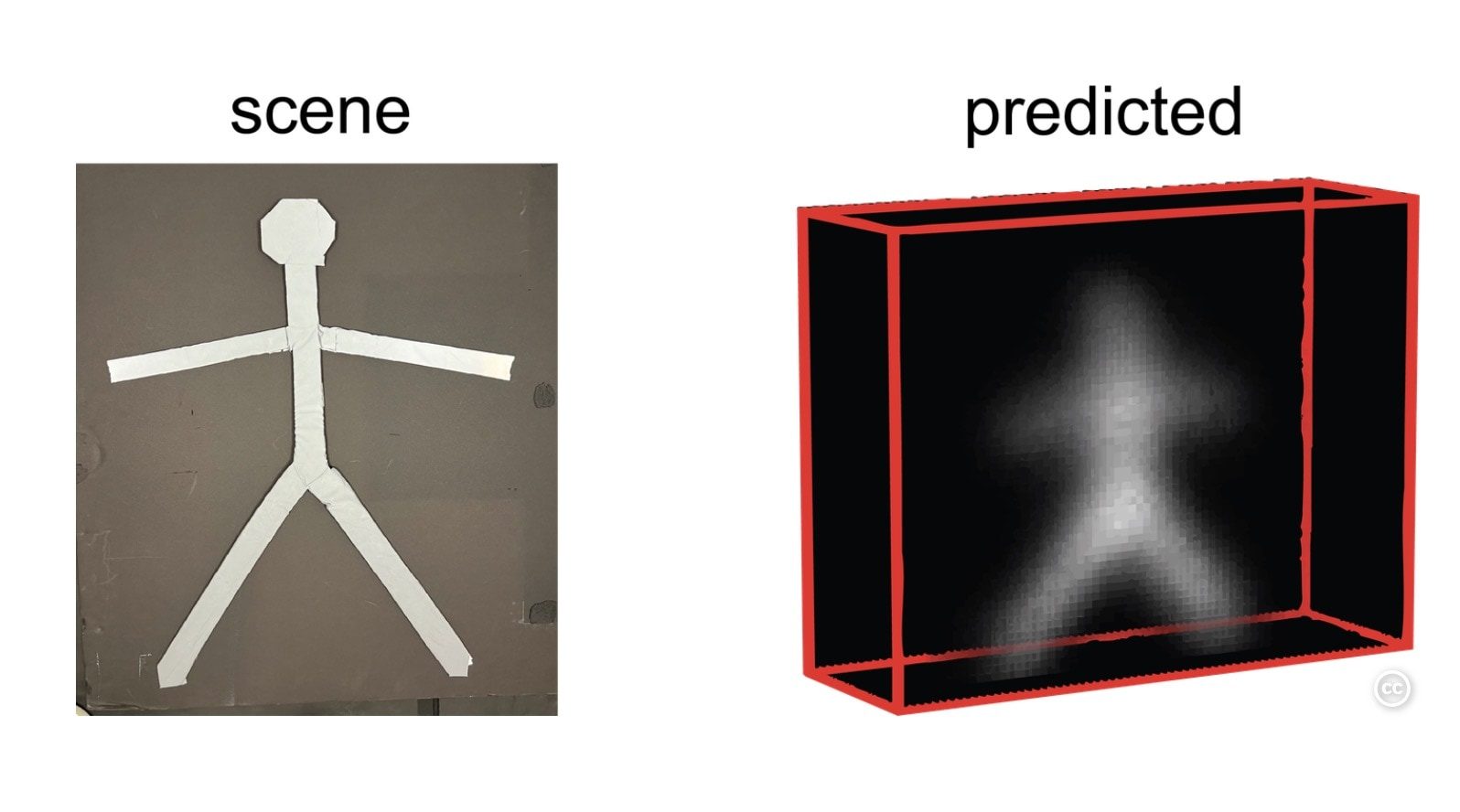
Image showing a stick figure representation using LiDAR
Aaron Young / Siddharth Somasundaram / MIT Media Lab

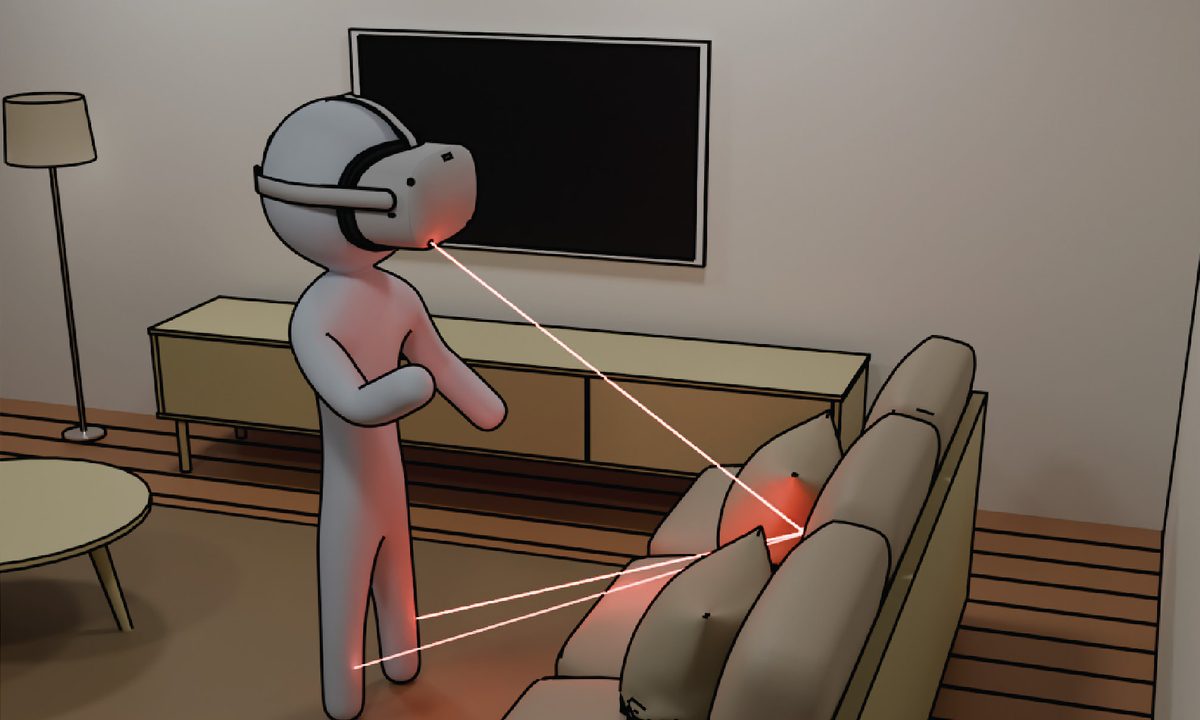
Researchers at MIT Media Lab have found a genuinely jaw-dropping use for the LiDAR sensor sitting inside your iPhone and iPad Pro. It can detect and track objects that are completely outside the camera’s field of view. Yes, that means seeing around corners.

This kind of imaging, called non-line-of-sight (NLOS) imaging, is not a new concept. But past demonstrations relied on powerful, expensive lab-grade lasers with little application in the real world.

Recommended Videos

What makes this research exciting is that the MIT team pulled it off using the same low-power LiDAR sensor already embedded in our smartphones.

How does it work?

The team is using the LiDAR sensor to allow us to look beyond corners at objects that are not directly in our line of sight. The secret sauce is motion. As your device moves, the system simultaneously tracks the object’s shape, the object’s position, and the camera’s position over time.
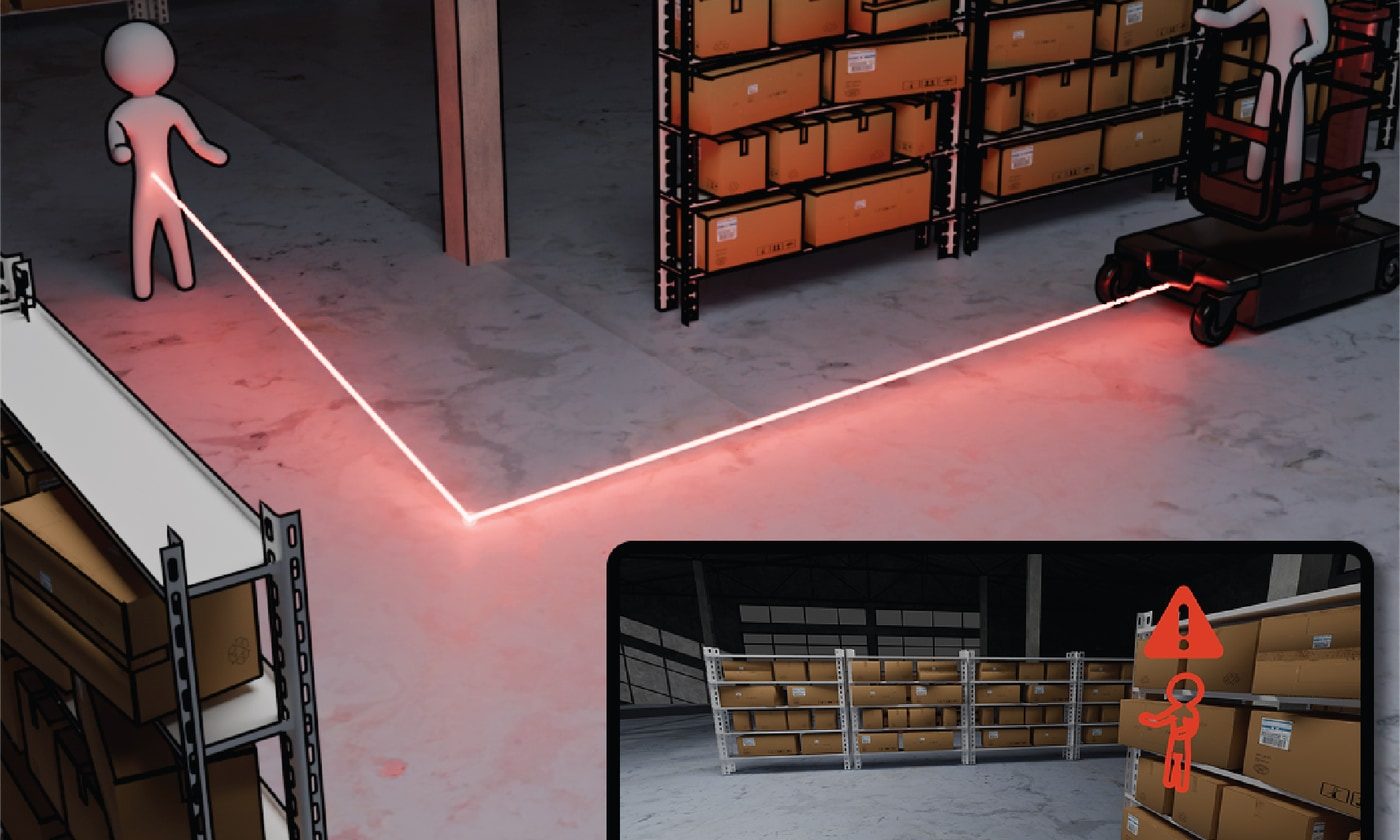
The team calls this an aperture sampling model, and it essentially stitches together a series of noisy, imperfect readings into something meaningful. The outputs are not crisp photos of what is hiding around the corner. Instead, you get progressively richer inferences. The system can tell you something is there, how it is moving, and what shape it roughly has. Think of it like echolocation, but with light.
What can it actually do?

The team demonstrated four specific capabilities: tracking a single object, reconstructing its shape, tracking multiple objects at once, and something particularly interesting for robotics, which is camera self-localization using hidden landmarks.

That last one is a big deal. A robot or autonomous system that can orient itself using objects it cannot directly see has a massive advantage in the real world. It can also help improve the self-driving tech or delivery drones for things like accident avoidance.

Sadly, you cannot try this on your smartphone right now, “as that would require these companies to release their raw data, which they often don’t do,” said Siddharth Somasundaram, one of the researchers on this project. That said, the researchers have made their code publicly available, and the sensor hardware can be assembled for under $50.

Rachit Agarwal
Rachit is a seasoned tech journalist with over ten years of experience covering the consumer technology landscape.
WWDC 2026: iOS 27, Siri AI, Apple Intelligence upgrades, and everything else
Apple stopped making promises at WWDC 2026 and started delivering: Siri AI, six OS updates, and Cook's farewell.
WWDC 2026 poster

Unlike most years, Apple’s WWDC 2026 carried more weight than usual, not just because it was Tim Cook’s final keynote as CEO, but also because it represented Apple’s chance at redemption after missing deadlines, mounting questions, and criticism about its ability to keep pace in the AI race. 

Fortunately, Apple answered many of those questions on June 8, 2026, unveiling an upgraded AI-powered Siri alongside a range of new Apple Intelligence features, while also raising a few fresh questions. WWDC was packed with announcements across six operating systems that underpin Apple’s ecosystem of devices. 

Read more
iOS 27 offers the clearest sign that a foldable iPhone is right around the corner
Resizable iPhone apps may be Apple’s first step toward a foldable iPhone
iPhone Ultra

Apple’s WWDC 2026 event was packed with major software announcements, including its new Siri AI experience, expanded child safety tools, and the latest operating system updates for its phones, Macs, and iPads. It was only a matter of time before someone dug out something interesting from the new software, and developer Sam Henri Gold might have just found the biggest clue yet that Apple is planning to launch a foldable iPhone soon.

iOS 27 is quietly preparing apps for a foldable future

Read more
Smartphones are to blame for declining birth rates, as studies highlight the iPhone’s role
Two new papers link smartphone adoption to falling birth rates in the US and across 128 countries, though some economists say the case remains unproven.
Electronics, Mobile Phone, Phone

The timing has long raised questions. Birth rates in the US and dozens of other countries began falling in 2007, the same year Apple put the first iPhone on sale. Two new academic papers, highlighted by The New York Times, now argue that the overlap is not a coincidence.

What the research found

Read more