1. Home
  2. Computing
  3. Emerging Tech
  4. News

China will put a unique ID code on humanoid robots, just like citizen ID for us humans

China is treating its humanoid robots like citizens. assigning each one a unique ID code from birth to recycling.

Add as a preferred source on Google
Robot with four arms
Orbit Robotics

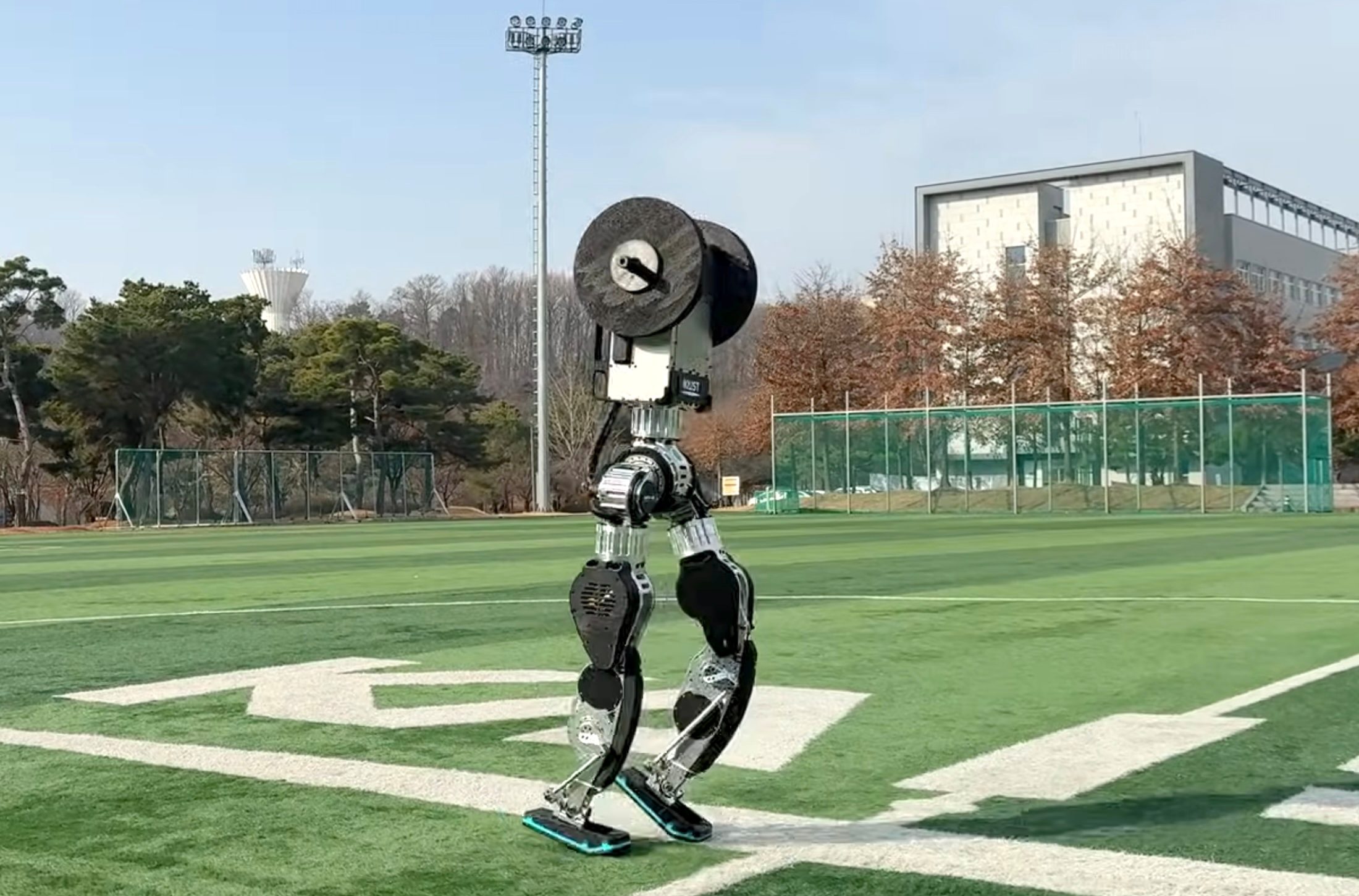
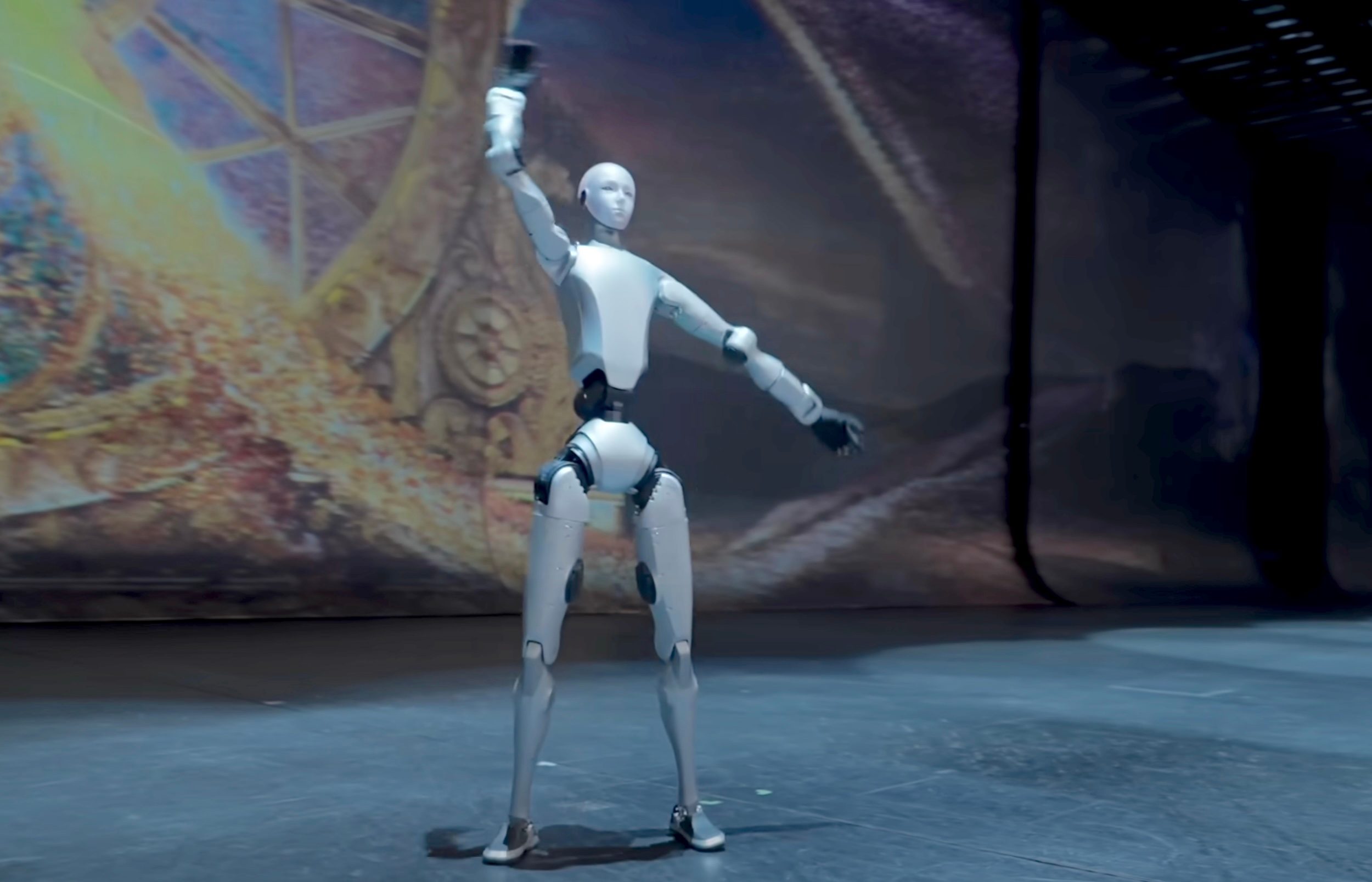
China has launched a national programme that will assign every humanoid robot manufactured in the country a unique digital identity code, effectively a citizen ID, but for bipedal machines (those that can balance and walk/run on two legs). 

The initiative, called the Humanoid Full Lifecycle Management Service Platform, was announced on Friday. It is led by the Humanoid Robotics and Embodied Intelligence Standardization committee, which is under China’s Ministry of Industry and Information Technology (via South China Morning Post).
What does a robot ID actually look like?

The machine codes are structured in four parts. While a two-digit national code tracks international shipments and sales, a four-digit manufacturer code keeps a record of the firm that manufactured it.

Recommended Videos

Then there’s a six-digit product model code that identifies the robot type, along with a 17-digit serial code distinguishing individual units from one another. The purpose is to follow the humanoid robots from the production through its entire working life, all the way to recycling.

The guidelines cover everyone involved in the supply chain, from manufacturers, service providers, sellers, end users, to the recycling facilities. The new system should also accelerate the deployment of humanoid robots in a regulated manner, wherein the manufacturing firm could be held accountable for any malfunctions. 
Why is China doing this now?

According to January research from IDC (as mentioned in the report), the global humanoid robot market expanded 508% just last year, with around 18,000 units shipped globally, with the Chinese vendors leading that growth.

China already has over 100 humanoid manufacturers, and more than 28,000 robots across 200 models have already been assigned a digital ID before the public announcement of the Humanoid Full Lifecycle Management Service Platform.

Yu Xiuming, deputy head at the China Electronics Standardization Institute, said the system is designed to address core issues around safety, oversight, and governance. China’s humanoid industry is moving faster than the regulation framework, and the ID system is less a surveillance move and more an industrial infrastructure play, the kind of standardisation required before global scaling. 

Shikhar Mehrotra
For more than five years, Shikhar has consistently simplified developments in the field of consumer tech and presented them…
Huawei reveals its own replacement for Moore’s Law as it aims straight at 1.4nm chips
Huawei’s new chip playbook is pushing past 2nm
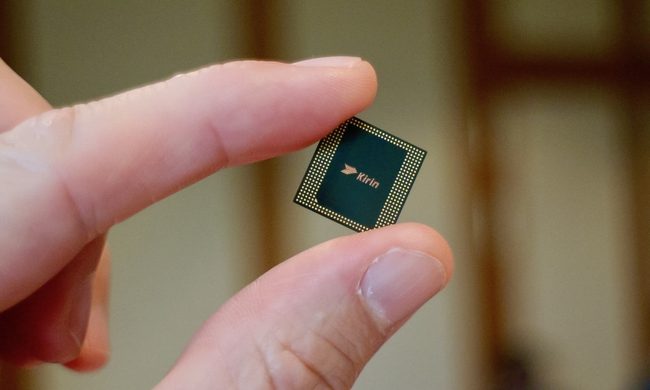
Huawei Kirin 980 processor

Huawei has revealed what it sees as a new path forward for advanced chips. At the 2026 IEEE International Symposium on Circuits and Systems in Shanghai, Huawei’s He Tingbo introduced the company’s Tau Scaling Law, a new semiconductor principle that Huawei says can guide chip development as traditional Moore’s Law runs into physical and economic limits.

The company says future high-end chips designed under this approach could reach transistor density equivalent to 14 angstroms, or 1.4nm, by 2031.

Read more
Microsoft will let you uninstall Copilot app as Windows 11 clean-up moves ahead
Microsoft finally accepts that not everyone wants Copilot watching them
Microsoft Copilot Banner Featured

Microsoft appears to be softening its aggressive AI push in Windows 11 by making it easier for users and organizations to completely remove the Copilot app from their PCs. The move comes after continued criticism from users who felt Microsoft integrated Copilot too deeply into Windows without offering enough control over the experience.

According to findings from Windows Latest, Microsoft quietly introduced a new Group Policy option in the Windows 11 April 2026 Update that allows administrators to remove the Microsoft Copilot app system-wide. The policy, named “Remove Microsoft Copilot app,” can be found under User Configuration > Administrative Templates > Windows Components > Windows AI.

Read more
Copilot is getting a sidebar treatment for Windows 11, just like Gemini in Chrome
Microsoft is bringing back Copilot's original sidebar concept for Windows 11, this time with left and right docking options and proper desktop integration.
Text, Computer Hardware, Electronics

Microsoft has redesigned Copilot for Windows 11 more than a couple of times. Its latest idea, however, is based on one that it already tried and abandoned: docking the AI assistant to the side of your screen so that it remains accessible even when you’re using other apps. 

By default, Microsoft’s AI assistant still opens as a standalone app (in a separate window). But hovering over a new dropdown menu in the title bar now offers dedicated window snapping options that let you dock it to either the left or right edge of the screen (via Windows Latest).

Read more