  1. Home
  2. Cars
  3. News

Tesla’s top rival launches self-driving with full crash coverage at a fraction of the cost

BYD's God's Eye tech is coming for Tesla with a much smaller bill

Add as a preferred source on Google
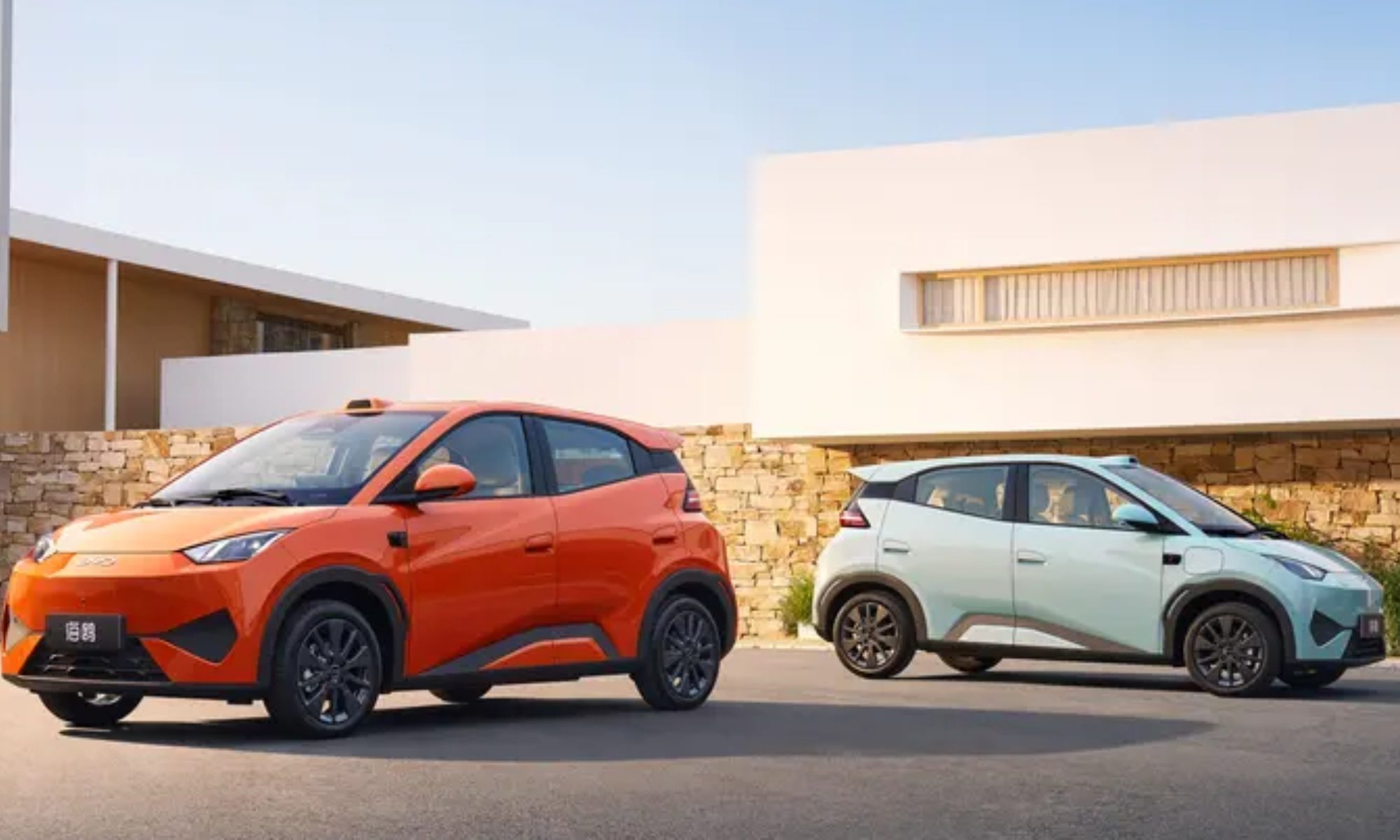
BYD 2026 Seagull.
CnEVPost / BYD

BYD just delivered another blow to Tesla. The company’s new self-driving package just dropped with a price tag that basically embarrasses Tesla’s driver-assistance service. The Chinese EV giant announced a new service package dubbed God’s Eye, with chairman Wang Chuanfu claiming BYD’s first goal is to achieve “zero traffic accidents.”

In a recent press conference, he announced that BYD will fully cover compensation and repairs for accidents that happen while drivers are using its City Navigation function, without affecting the user’s insurance premiums the following year.

BYD is confident in its self-driving tech

BYD’s new coverage applies to its God’s Eye A/B systems. So new owners get coverage right from delivery, while existing owners will gain access after updating to the new God’s Eye 5.0 over the air. The policy seems to cover at-fault accidents, including repairs to the owner’s vehicle, third-party property damage, and personal injury, as long as the system is used according to regulations.

Recommended Videos

There is also no extra “intelligent driving insurance” purchase, no payout cap, and no hit to next-year commercial insurance premiums. BYD is confident in the tech, showcasing its bold trust with this commitment. Assisted driving still requires drivers to pay attention, and BYD is not magically removing responsibility from the human behind the wheel.

Pricing is where things get real spicy

The real headline here is the cost. BYD is letting users upgrade to God’s Eye B for 12,000 Yuan, which is about $1,770. In China, Tesla’s comparable assisted-driving package has been rebranded as Tesla Assisted Driving and is priced at 64,000 Yuan, or about $9,400, with no subscription option. This basically makes BYD’s upgrade roughly one-fifth of Tesla’s China-market price.
For context, Tesla’s US pricing has changed a lot too. The company currently lists FSD (Supervised) at $99 per month, requiring drivers to stay attentive. And now, Tesla has moved FSD to a subscription-only model for new buyers. Before that, US buyers could purchase FSD outright for $8,000, after Tesla cut the price down from $12,000 in 2024.

So no matter how you dress it, BYD is undercutting Tesla by a huge margin. It is making smart driving cheaper and more accessible. The added commitment just goes to show how it’s willing to build trust as well.

Vikhyaat Vivek
Vikhyaat Vivek is a tech journalist and reviewer with seven years of experience covering consumer hardware, with a focus on…
Slate’s uber-affordable EV goes up pre-orders in June, but we still don’t know the price
Slate’s budget EV truck is almost ready to take your money
Slate EV 3

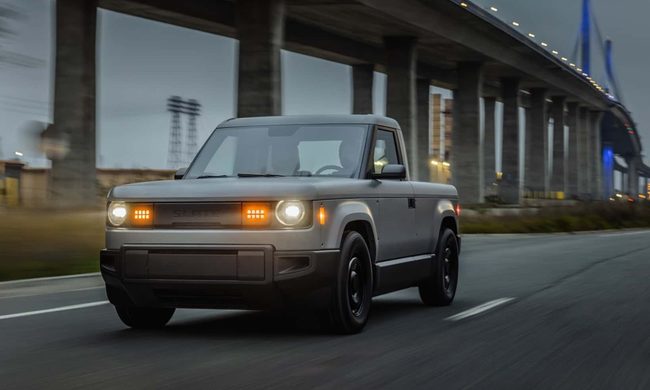
Slate Auto's minimalist electric truck gets closer to finally rolling out on the roads. The startup has confirmed that preorders are opening on June 24, 2026, for $300. The EV maker has also been taking refundable $50 reservations, and its latest emails to prospective buyers encourage them to reserve now to secure a delivery window before people who wait for the preorder phase.

We have the preorder dates, just not the actual pricing

Read more
Low-cost sodium batteries are already reaching Tesla performance levels in China
Researchers found Hina’s commercial sodium-ion cells match important Tesla battery performance and manufacturing markers.
Tesla Supercharger

A commercial sodium-ion battery already used in China is moving into Tesla-like territory, putting fresh pressure on lithium-ion’s cost advantage.

Researchers testing Hina’s cells found consistent output across a large sample, high power capability, and a design that echoes key choices in Tesla batteries. The low-cost sodium battery still has work ahead, especially around charging in freezing conditions, but it points to a cheaper path for EVs, grid storage, and commercial vehicles that don’t need maximum driving range.

Read more
Tesla wants you to believe in its self-driving tech, but even its own AI trainers won’t trust it
Tesla Model 3

Elon Musk has been promising a fully autonomous Tesla for the better part of a decade. If you believe him, that future is right around the corner. But a new Reuters investigation suggests the people closest to the technology, the ones actually training it, want nothing to do with it.

Hundreds of Tesla workers spend their days watching footage captured by cars running Full Self-Driving. They watch cats, dogs, and deer getting struck without the car braking, near-misses with children, and Teslas blowing through speed limits by 20 to 30 mph. Things seem dire, and yet Elon Musk keeps telling the world that FSD is ready to take the wheel.

Read more