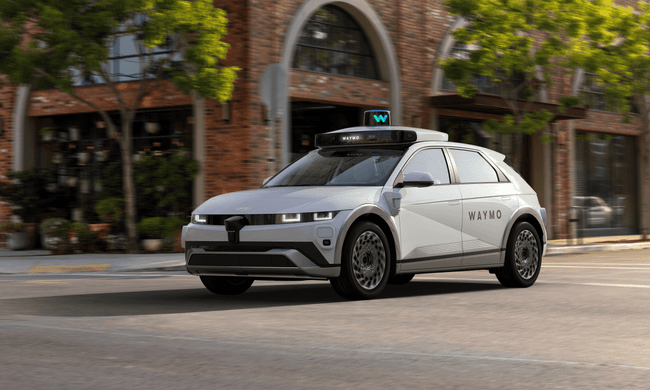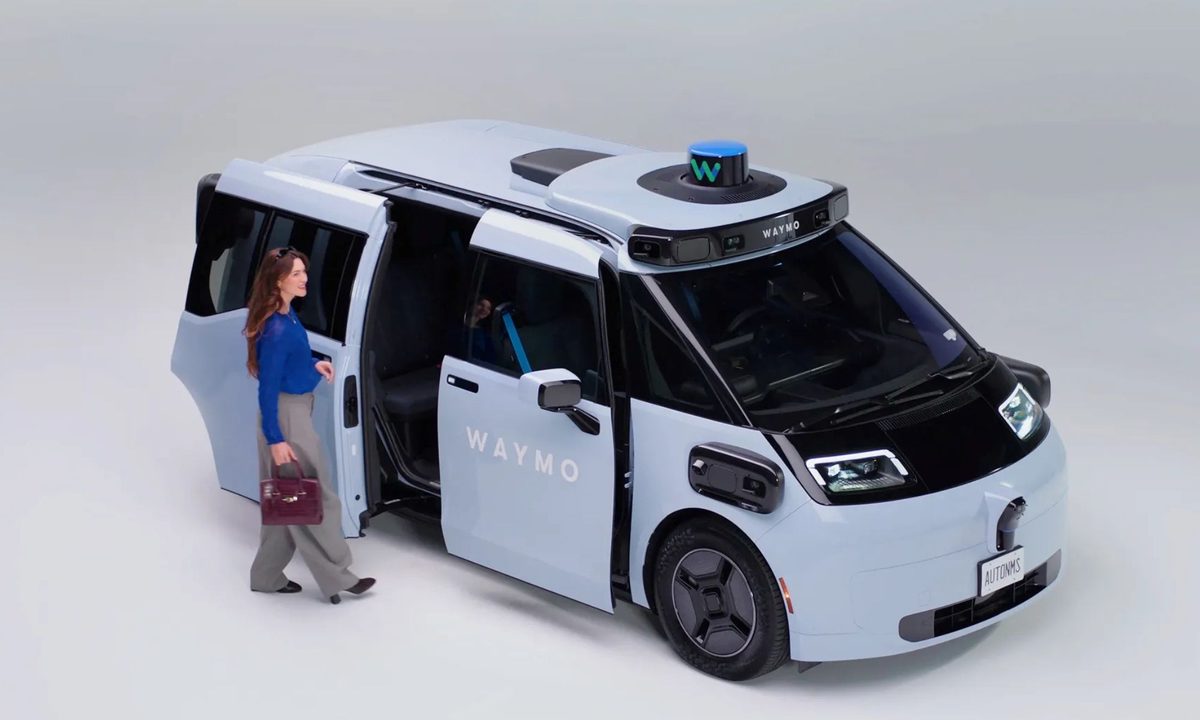
Waymo’s new robotaxi, the Ojai, doesn’t really look like something trying to blend into traffic. It looks like it skipped a few years ahead, landed in the future, and didn’t bother checking whether the rest of us were keeping up.
This isn’t just an incremental update to Waymo’s existing fleet. It feels more like a reset — a rethink of what a ride becomes when there’s no one behind the wheel at all. And now, after months of internal testing, Waymo is finally opening the doors for early public riders in the coming weeks.
A robotaxi that feels like a lounge
Step inside the Ojai and the first thing you notice isn’t the tech — it’s the space. The entry feels unusually open, thanks to a low step-in height and a completely flat floor. The doors open in a way that feels almost like stepping into an elevator, which is a fitting comparison because the cabin doesn’t feel like a traditional car at all.
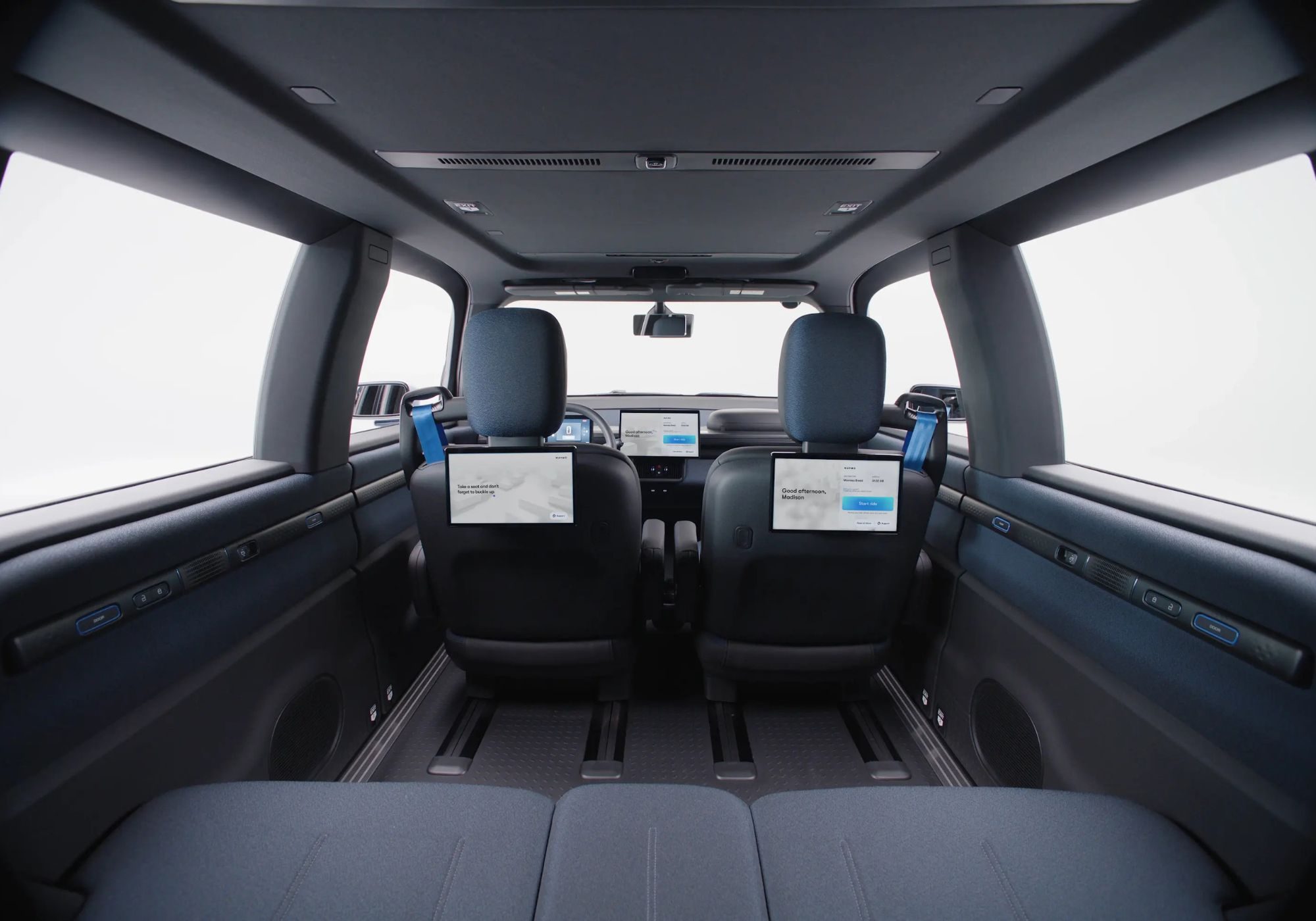
Instead, it leans toward a moving lounge. Three large screens dominate the interior, letting passengers tweak everything from music to cabin temperature. It’s the kind of setup that makes a typical Uber ride feel like a barebones taxi by comparison. Waymo clearly wants you to think of this less as “getting from A to B” and more as “your time, your space, your settings.”
A future ride that’s already mapping its next cities
Under the design-heavy surface, the Ojai is also Waymo’s most accessibility-focused vehicle yet. There are subtle but important touches everywhere — braille markings, screen-reader support, and seat-integrated handles that help passengers get in and out with more confidence. The brains behind all of this are the sixth-generation version of Waymo’s autonomous driving system. It builds on more than 20 million fully autonomous trips already completed across major US cities, but this iteration is designed to handle tougher environments and scale faster than before. Think snowier conditions, denser rollout, and a lot more robotaxis hitting the road from Waymo’s Arizona production hub.
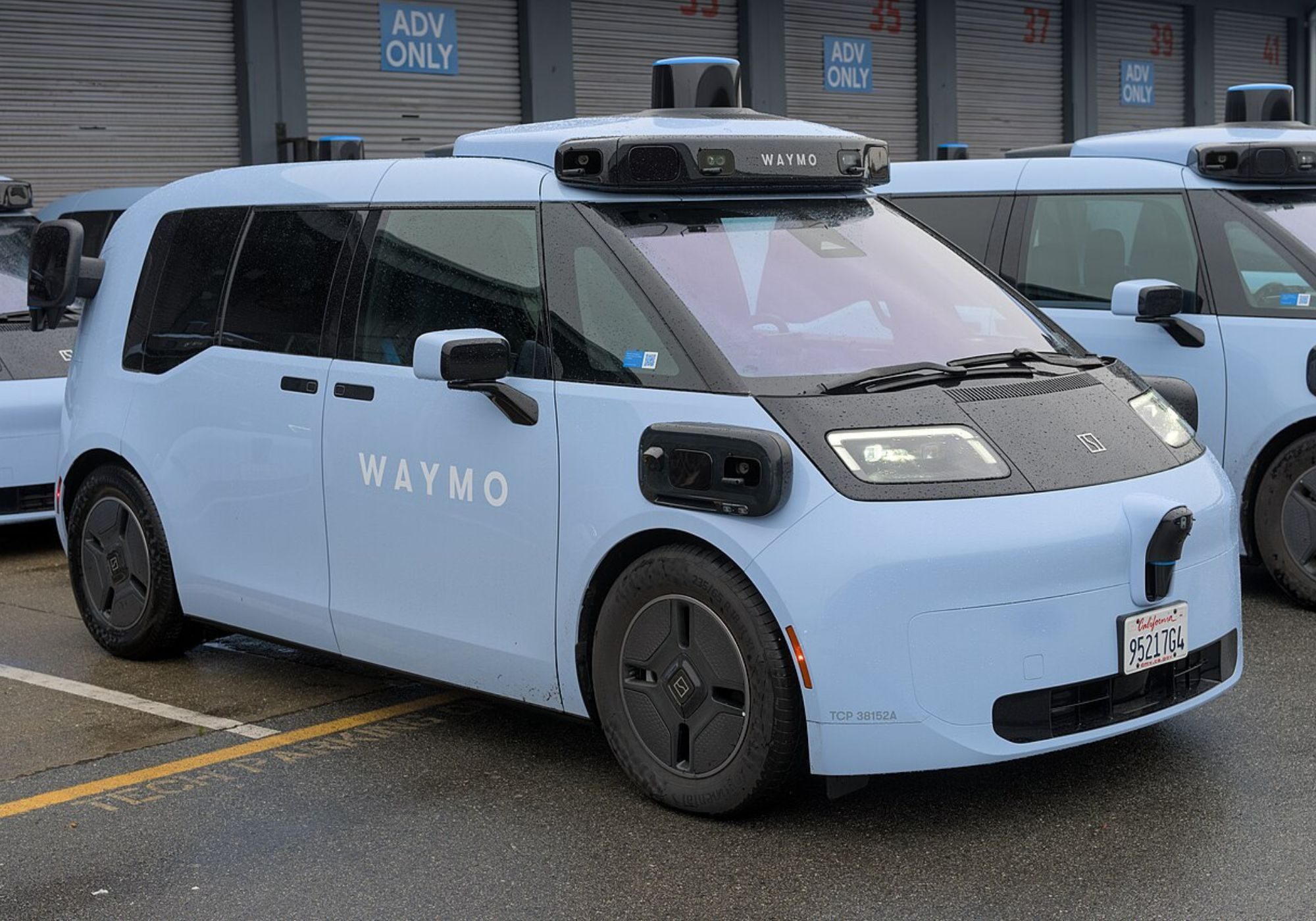
For now, the Ojai is starting small. Early riders in cities like San Francisco, Phoenix, and Los Angeles will get access first, with free trips offered as Waymo gathers feedback. But the bigger plan is hard to miss — expansion into cities like Denver, Las Vegas, and San Diego is already on the roadmap, with a wider public rollout expected later this year. Waymo is quietly testing what happens when autonomous rides start becoming infrastructure. And if the Ojai is any indication, that future might arrive sooner — and feel a lot more comfortable — than expected.