  1. Home
  2. Computing
  3. News

Digital Trends may earn a commission when you buy through links on our site. Why trust us?

OneDrive is getting an AI feature that names your files so you don’t have to

Microsoft's Copilot Suggested Rename reads what's inside your OneDrive files and suggests better names for them automatically.

Add as a preferred source on Google
Microslop Microsoft AI Copilot logo
Digital Trends

Renaming files is one of those tasks that sounds trivial until you are staring at a folder full of documents or files called Document1, Scan_04182026, and FinalFINALv3. Microsoft is doing something about it.

A new feature, called Copilot Suggested Rename, is on the Microsoft 365 roadmap. It is scheduled to roll out starting June 2026. The AI-powered OneDrive feature reads the content of your file and automatically recommends clear, descriptive file names, saving you time. 
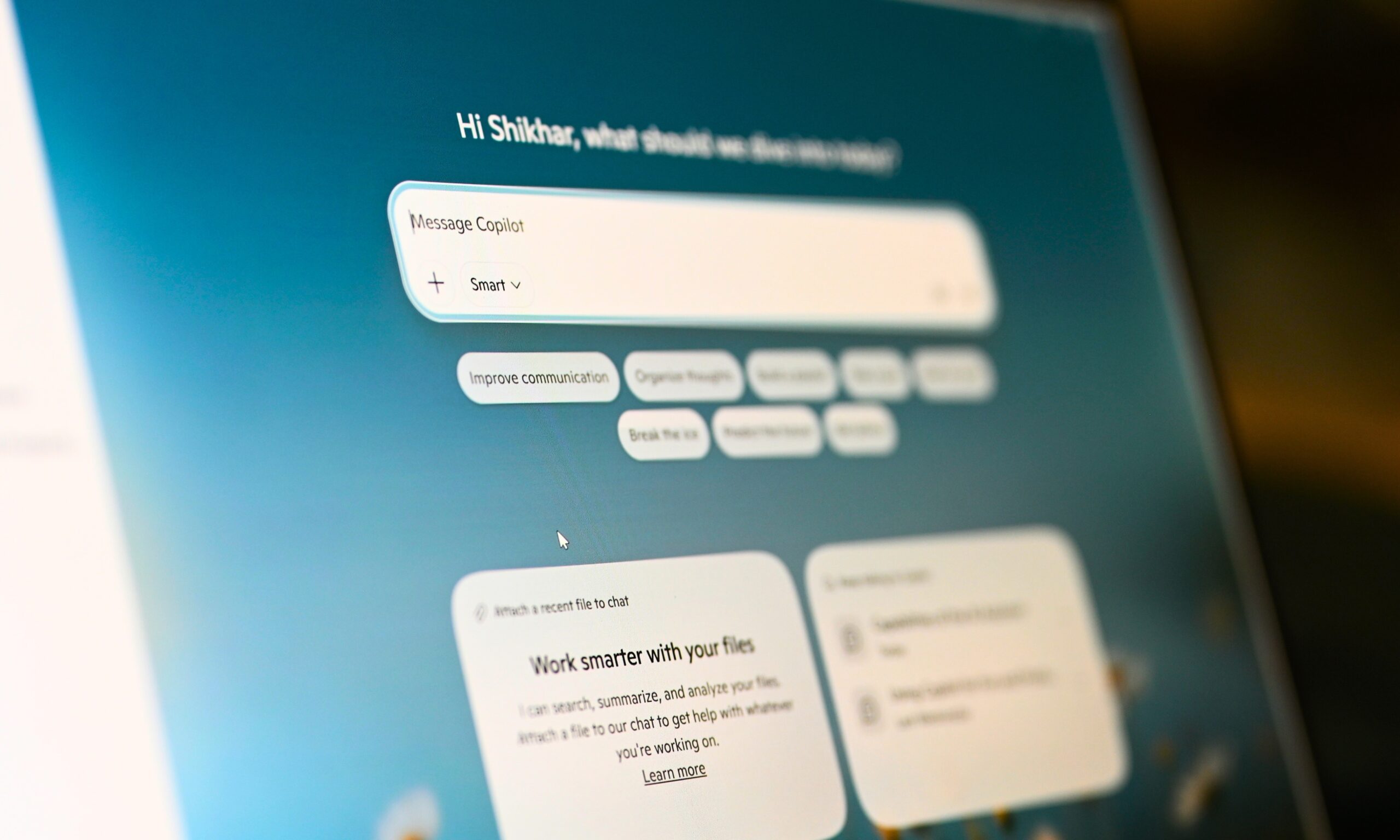
How does Copilot Suggested Rename actually work?

The feature is built directly into the rename dialog inside OneDrive (on web). 

Recommended Videos

When you go to rename a file, Copilot goes through its content and offers three context-aware name suggestions within the rename dialog. You can pick one with a single click. 

The feature also shows up in the post-upload toast notification, the pop-up that appears when you upload a single supported file, so you could rename it immediately after it lands in OneDrive.

Which file types does it support?

Copilot Suggested Rename works across a wide range of formats. Microsoft Office documents, including Word (DOCX), PowerPoint (PPTX), and Excel (XLSX), are all supported, along with PDFs, Markdown files, and images. 

That, I’d say, covers the overwhelming majority of files most people actually store online. The feature is currently in development. And yes, It is a web-only feature for now, meaning it will be available for personal and business OneDrive users on the web, while the desktop or mobile rollout might follow. 

In my opinion, file naming has been a low-priority problem ignored by desktop and computer, widely ignored, and genuinely annoying at scale. Microsoft building AI-powered rename suggestions directly into the OneDrive rename dialog is the right place to begin. 

Shikhar Mehrotra
For more than five years, Shikhar has consistently simplified developments in the field of consumer tech and presented them…
AMD’s Radeon RX 9070 GRE has strong 1440p claims, but $549 may be a hard sell
Radeon RX 9070 GRE goes global after China debut
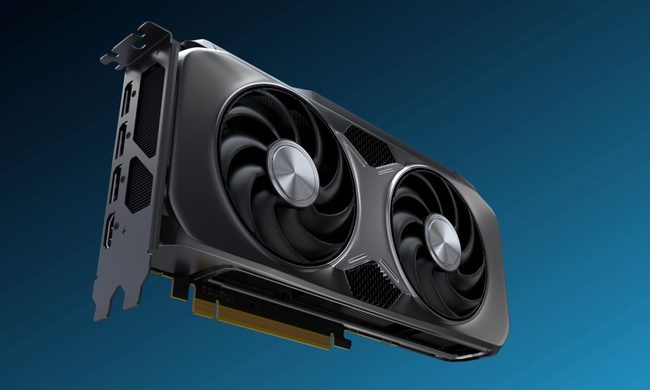
AMD Radeon RX 9070 GRE front view

The Radeon RX 9070 GRE has now launched globally at Computex 2026. AMD first introduced the RDNA 4-based GPU in China in May 2025, so this is a wider rollout rather than a brand-new graphics card.

It will be available from board partners starting June 2, in reference and overclocked versions, with a suggested retail price of $549.

Read more
Windows 11 is finally addressing key annoyances with the universal Search system
Partial terms now surface compound file names anywhere they appear, not just at the start.
Windows 11 Laptop

If you have ever typed a file name into Windows Search but stopped midway because you only remembered part of it, Microsoft has something for you. 

In its latest Windows 11 Insider Preview build, Microsoft has added a focused but genuinely useful improvement to the way Windows Search finds your files. It is one of those fixes that makes me wonder why it took so long. 

Read more
It’s not just you. Research says people don’t like overtly friendly AI chatbots
AI saying “hope you’re having an amazing day!” Is apparently too much
AI Chatbots

For years, tech companies have tried making AI assistants sound warmer, friendlier, and more emotionally human. But new research suggests that approach may actually backfire more often than companies expect. A recent study highlighted by Tech Xplore found that people generally prefer AI chatbots whose personalities mirror their own communication style rather than assistants that act excessively cheerful or overly friendly all the time.

According to the findings by the Northeastern researchers challenge one of the biggest assumptions driving modern AI development is that making chatbots more emotionally expressive automatically improves user experience.

Read more