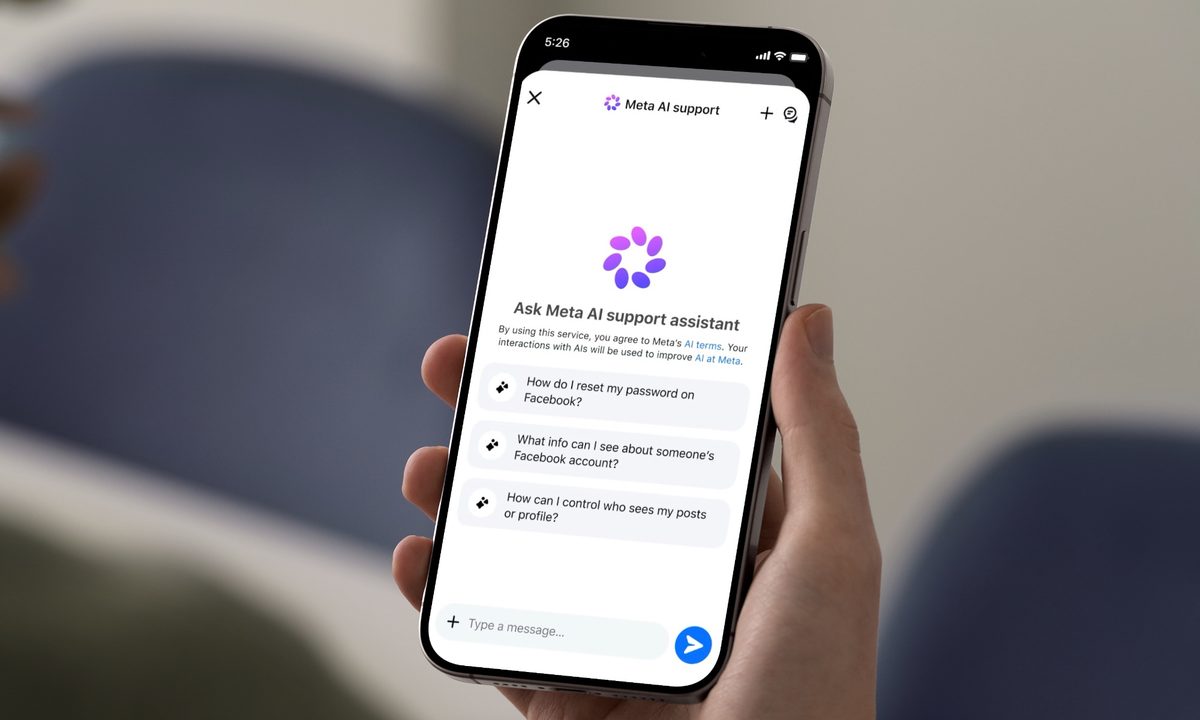
Meta’s standalone AI app is reportedly being flooded with low-quality clickbait, fake emotional stories, and engagement-bait content, raising fresh questions about how generative AI platforms are being moderated as they become increasingly social and public-facing.
According to a Verge report, users of Meta AI’s social discovery feed have been encountering strange AI-generated posts ranging from fabricated personal confessions to misleading health claims and bizarre fictional scenarios designed to attract reactions and shares. The issue appears tied to Meta’s decision to make AI-generated conversations and prompts publicly discoverable inside the app, effectively turning parts of the platform into a social media-style content feed.
The result, critics argue, is an ecosystem where users are incentivized to generate increasingly outrageous or emotionally manipulative AI content to gain attention. Some posts reportedly resemble classic Facebook clickbait tactics, while others blur the line between satire, misinformation, and AI-generated spam.
Meta’s push for social AI is creating unintended consequences
The situation highlights a growing challenge facing AI companies: what happens when chatbots evolve from private assistants into social platforms where generated content is publicly shared and algorithmically surfaced.
Meta has been aggressively positioning AI as a social experience rather than just a productivity tool. Instead of limiting interactions to private conversations, the company’s AI platform encourages users to publish prompts, generated images, and AI-assisted posts for others to browse and engage with.
That approach may help drive engagement, but it also creates familiar moderation problems that social media platforms have struggled with for years. Reports suggest the Meta AI feed is now surfacing emotionally charged stories, questionable life advice, fabricated experiences, and exaggerated scenarios designed primarily to trigger reactions rather than provide useful information.
For users, the experience can quickly become confusing. Because many posts are AI-generated or AI-assisted, it may become harder to distinguish between authentic human experiences, jokes, experimental prompts, and entirely fabricated narratives. Critics warn this could contribute to a broader erosion of trust online, especially as AI-generated content becomes more realistic and emotionally persuasive.
The issue also reflects a broader trend in the AI industry where companies are racing to increase user engagement while still trying to establish effective guardrails around generated content. As AI tools become more interactive and socially driven, moderation systems are struggling to keep pace.
The future of AI-powered social feeds may depend on moderation
Meta has not positioned the feed as a traditional social network, but the platform increasingly behaves like one. Users can scroll through publicly visible AI interactions much like browsing content on Instagram, Threads, or Facebook.
That matters because recommendation algorithms can amplify the most engaging content regardless of quality or accuracy. If sensational or misleading AI-generated posts consistently attract attention, platforms may unintentionally reward low-quality content creation in the same way social media has historically rewarded outrage and clickbait.

The controversy arises as Meta continues integrating AI across its ecosystem, including WhatsApp, Instagram, Facebook, and standalone AI experiences. The company sees conversational AI as a major part of the future internet experience, but the current backlash suggests users and regulators may demand stronger controls around how AI-generated content is surfaced and labeled.
For now, Meta’s AI feed is offering an early glimpse at what happens when generative AI collides with social media dynamics – and the results already look strikingly familiar.