Sony thinks it may have cracked the code for home theater this year. The company is not just launching new TVs. Instead, it is rethinking how televisions create color with a new technology called True RGB, while also expanding its home theater lineup with products like the BRAVIA Theater Trio. After getting an early look at the lineup in New York, it became clear why Sony believes True RGB could be one of the biggest stories in its 2026 portfolio.
The technology was the centerpiece of Sony’s presentation, but the broader message was equally interesting. According to the company, many premium TVs are still optimized for ideal viewing conditions rather than the environments where most people actually watch television. Sony shared data suggesting that only around 13% of viewers watch content in settings similar to a movie theater or professional grading suite. The remaining 87% are watching in bright living rooms, open floor plans, and spaces where lighting conditions constantly change throughout the day.3
Why Sony thinks current TVs are missing something
Sony’s argument is straightforward: most premium TVs are optimized for ideal viewing conditions, not real life. That can be one reason a television looks incredible at night but less impressive during the day when sunlight, reflections, and ambient lighting begin competing with the image on screen. According to Sony, True RGB was designed to address exactly that problem by improving how displays create and maintain color in everyday viewing environments.
What True RGB actually does differently
Sony’s explanation of True RGB starts with how many premium TVs currently create color. In most Mini LED and QLED displays, a blue or white light source is filtered and processed to produce the colors that eventually appear on screen. Sony’s approach is different. Instead of starting with a single light source and creating color later, True RGB uses independently controlled red, green, and blue diodes directly within the backlight system. That means the desired color is generated at the source itself before the image even reaches the LCD layer.
According to Sony, creating color this way results in cleaner and more precise color reproduction. The company demonstrated the technology through a series of side-by-side comparisons and focused on three specific advantages that stood out during the presentation.
Three things Sony wanted to show
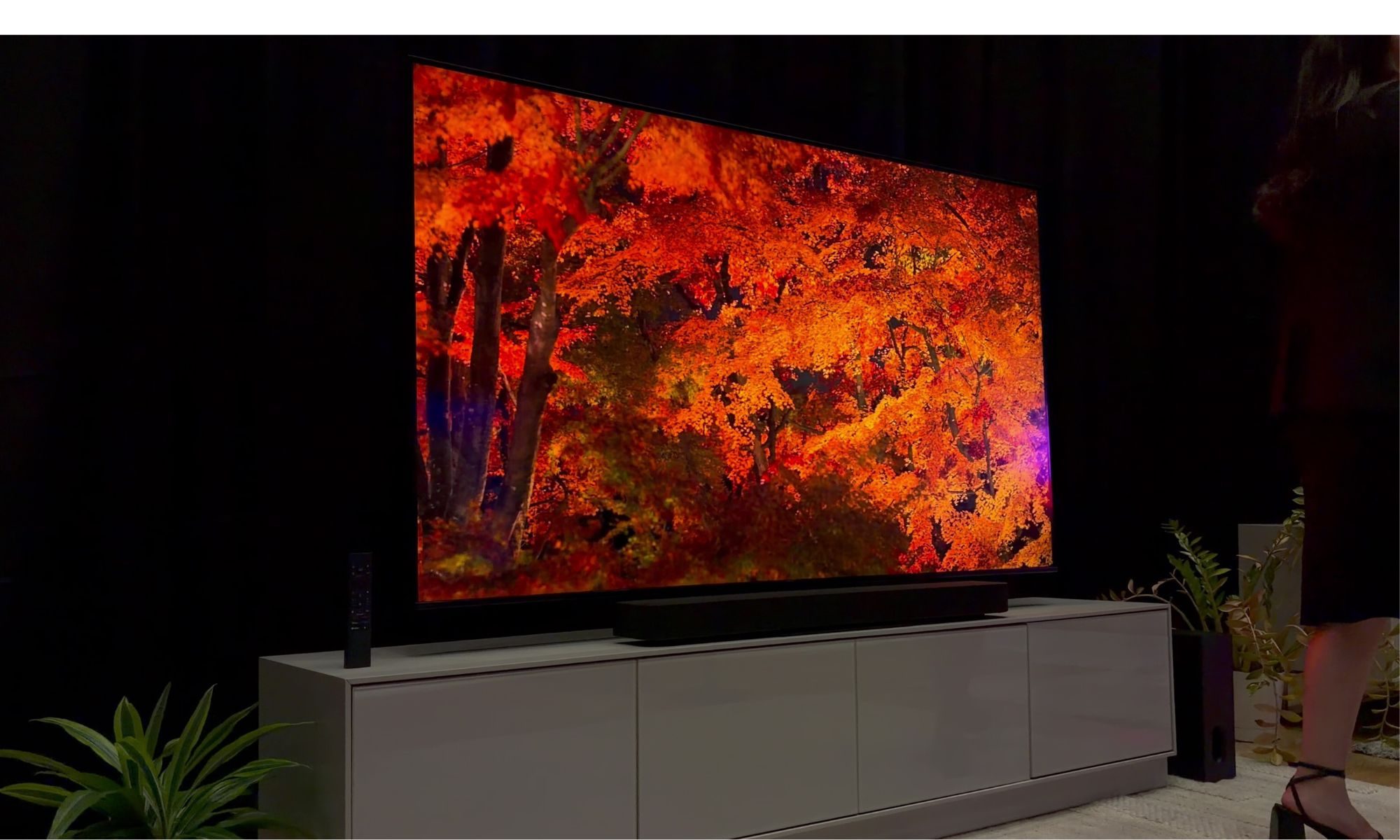
The first advantage was color volume. Sony says the new True RGB system delivers roughly twice the color volume of the original BRAVIA 9 Mini LED and up to four times the color volume of the BRAVIA 8 OLED. The company says this allows bright scenes to remain colorful rather than becoming washed out as brightness levels increase, producing richer images without pushing colors into unrealistic territory.
Viewing angles were another major focus. Sony says that because color is being created through both the backlight and LCD layers, image quality remains more consistent when viewed from different seating positions. This is particularly important in larger living rooms where not everyone is sitting directly in front of the screen.
The third benefit highlighted during the demonstrations was smooth gradation. By combining its image processing technology with independent RGB control, Sony says it can reduce visible color banding and create smoother transitions in scenes that rely on subtle color shifts, such as skies, sunsets, and large gradients.
Sony’s answer to the OLED versus Mini LED debate
Few topics generate more discussion among TV enthusiasts than OLED versus Mini LED. OLED remains known for its deep blacks, strong contrast, and viewing angles, while Mini LED continues to dominate when it comes to brightness, particularly in rooms with significant ambient light. Sony’s position is that True RGB can bring together some of the strongest qualities associated with both technologies.
According to the company, True RGB delivers OLED-style viewing angles and contrast while maintaining the brightness advantages of Mini LED. Much of the presentation centered on that idea, positioning the technology as an attempt to bridge a gap that has traditionally forced buyers to choose one set of strengths over another.
The BRAVIA 9 II sits at the top of the lineup
Leading Sony’s 2026 TV range is the BRAVIA 9 II, the company’s flagship True RGB display. The TV will be available in 65, 75, 85, and 115 inch sizes and is designed to closely match the performance and creative intent of Sony’s professional mastering monitors used by filmmakers and studios. According to Sony, the BRAVIA 9 II represents the highest-end implementation of True RGB technology in the lineup.
The BRAVIA 7 II brings True RGB to more buyers
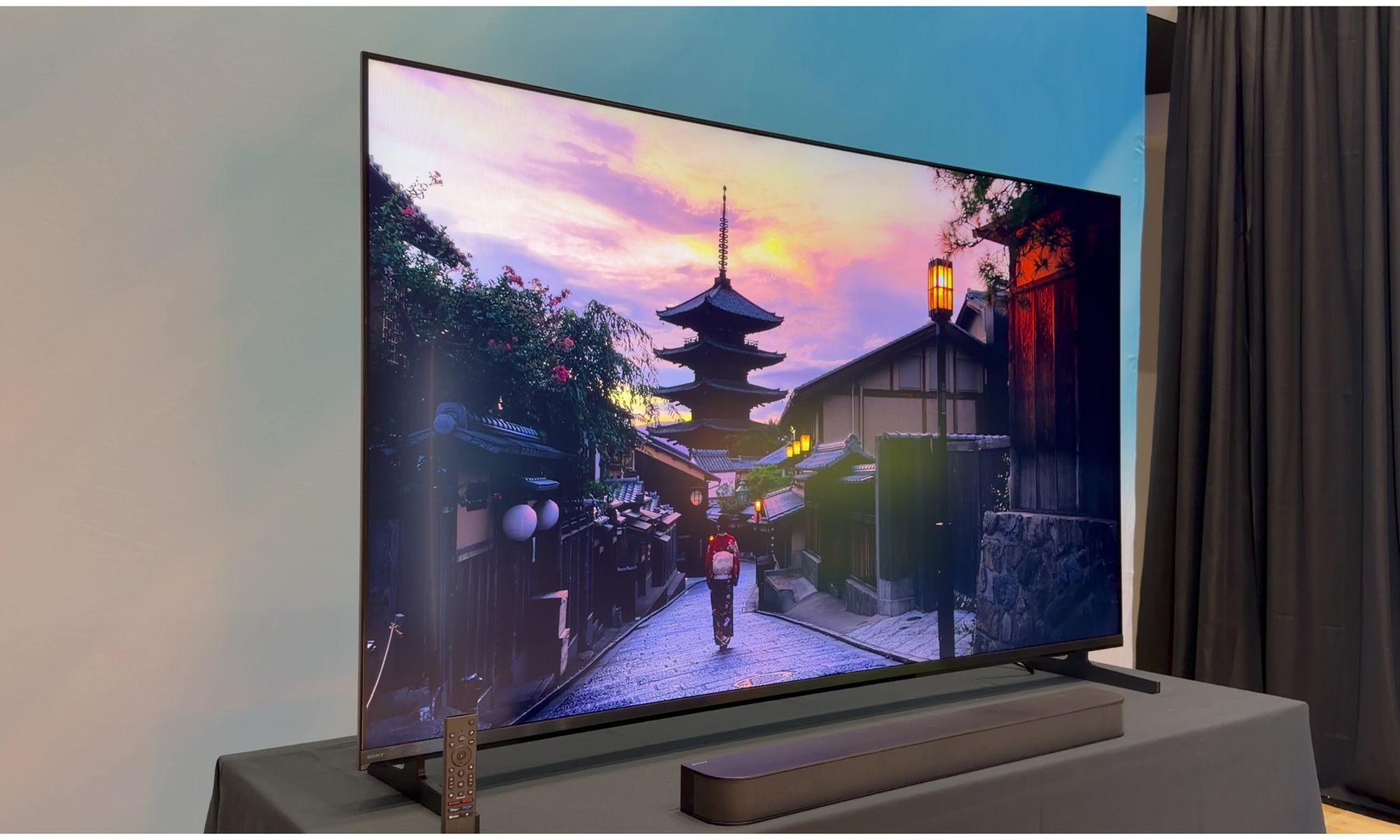
Sony is also introducing the BRAVIA 7 II, which brings True RGB technology to a broader range of buyers. Available in sizes ranging from 50 inches to 98 inches, the TV is positioned as a more accessible entry point into Sony’s latest display technology while still offering many of the benefits highlighted during the company’s demonstrations.
OLED is still part of the story
While True RGB may be the headline technology this year, Sony is continuing its OLED lineup with the BRAVIA 8 II and the standard BRAVIA 8. The company presented these models alongside its new True RGB products, giving buyers multiple options depending on their preferred display technology and budget.
The BRAVIA Theater Trio tackles the audio problem
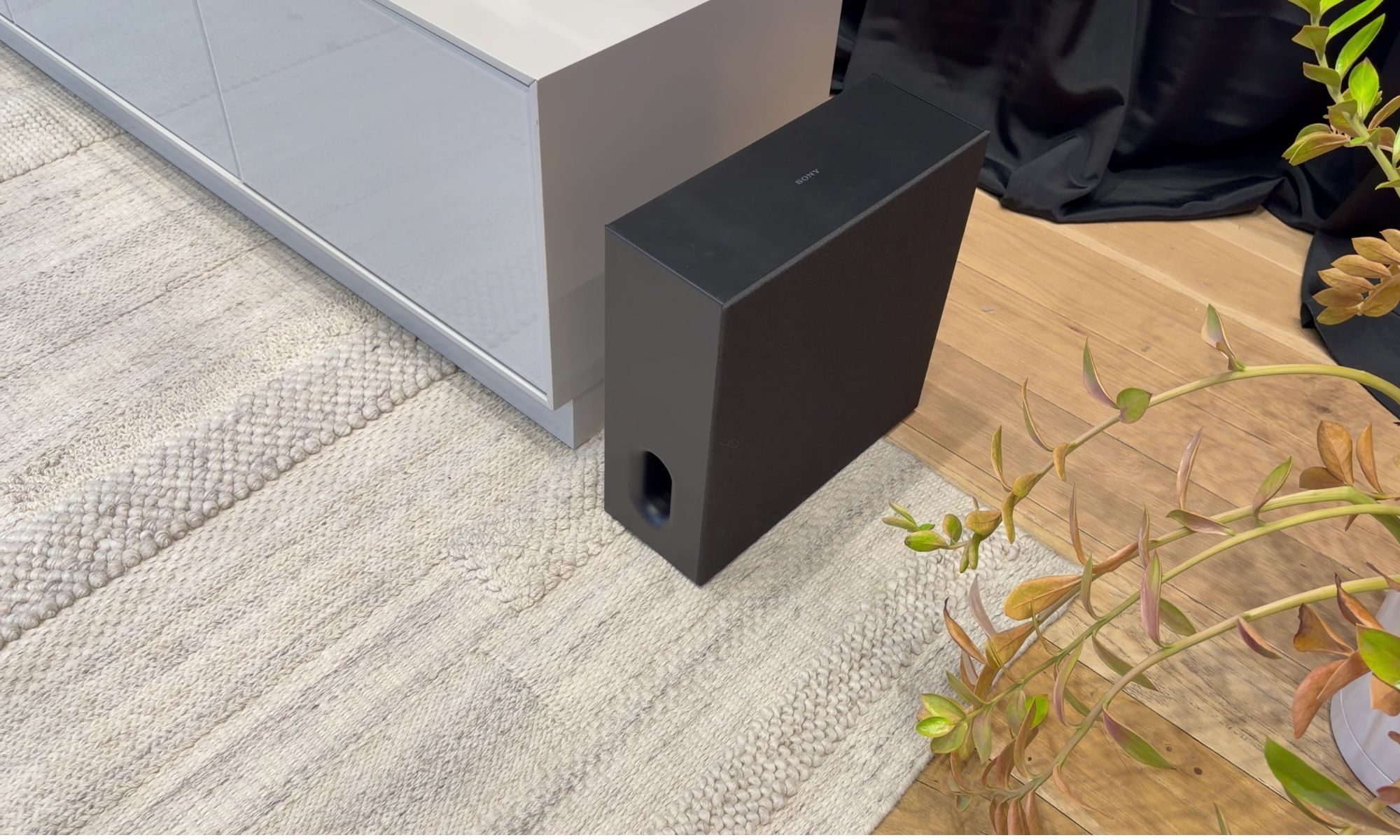
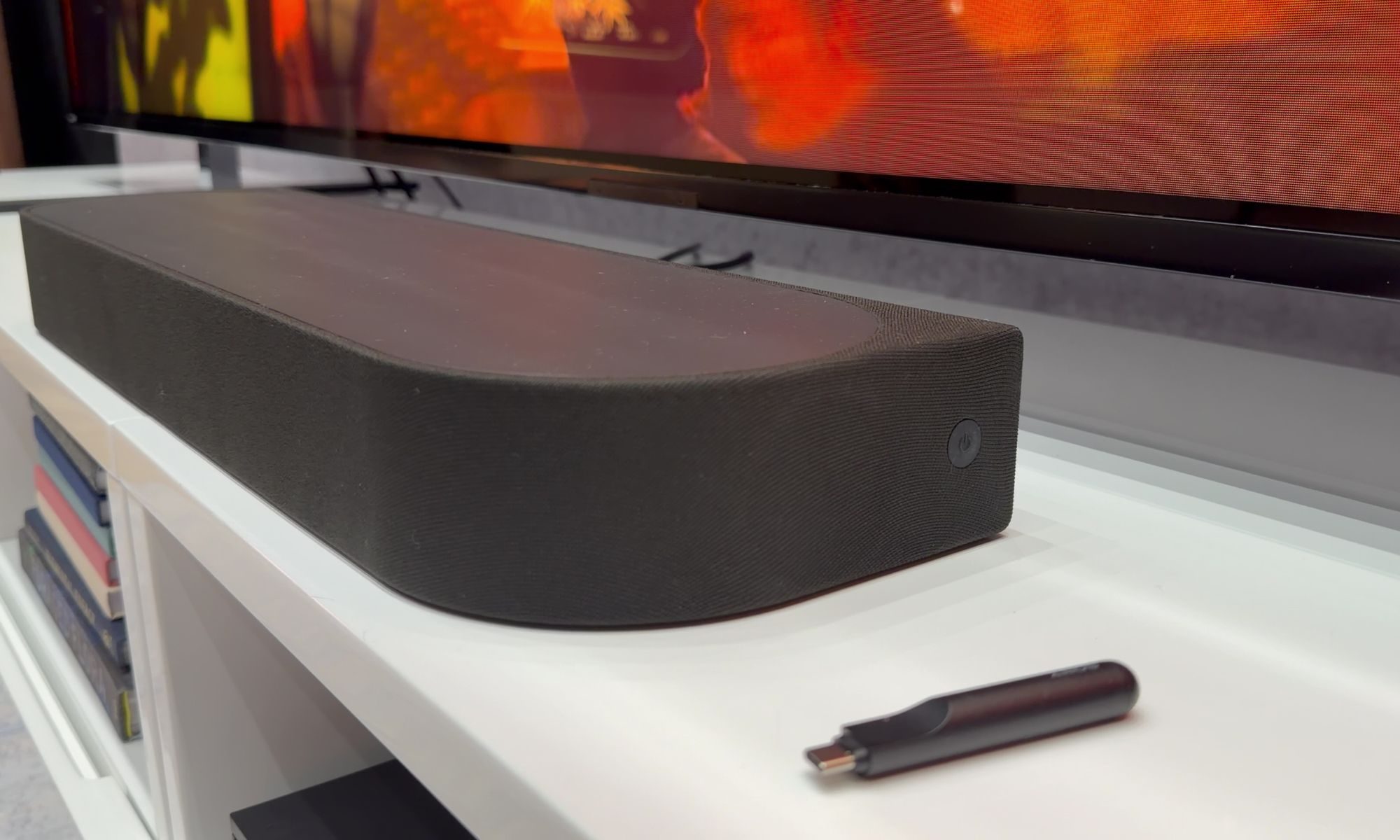
Sony also used the event to introduce the BRAVIA Theater Trio, a new home theater audio solution designed to address one of the most common complaints about modern televisions. While picture quality continues to improve every year, audio performance often struggles to keep pace.
The Theater Trio consists of a compact center-channel soundbar paired with dedicated left and right speakers. Sony says its 360 Spatial Sound Mapping technology can generate up to 24 virtual speakers, creating a larger and more immersive surround sound field without requiring a room filled with hardware or extensive cable management. The goal is to deliver a premium home theater experience while keeping setup relatively simple.
Sony’s focus this year goes beyond brightness
One message remained consistent throughout the presentation. Sony is not simply trying to make brighter televisions. The company believes the future of premium displays depends on rethinking how color is created in the first place, and True RGB sits at the center of that strategy. Alongside products like the BRAVIA 9 II, BRAVIA 7 II, BRAVIA 8 II, and Theater Trio, it represents Sony’s vision for where home theater is headed next.
After seeing the technology demonstrated in person, it is easy to understand why Sony is placing such a large bet on True RGB as the centerpiece of its 2026 lineup.