

Every Computex promises the next big thing, but only a handful of laptops actually feel worthy of the hype. After spending time exploring the show floor and seeing these devices up close, one thing became abundantly clear: 2026 isn’t just about faster processors. It’s about smarter laptops, better portability, and AI features that are finally starting to feel useful instead of being another sticker on the palm rest.
A big part of that shift is NVIDIA’s new RTX Spark platform, which made its way into several premium creator machines this year. Rather than diving into its technical details yet again, let’s focus on the laptops themselves, because each manufacturer has taken the platform in a very different direction.
Microsoft Surface Laptop Ultra
If there was one laptop that made me pause for a second look, it was Microsoft’s Surface Laptop Ultra. This isn’t just another Surface with refreshed internals. It’s Microsoft’s vision of what an AI-first premium laptop should look like. Powered by RTX Spark hardware and configurable with up to 128GB of unified memory, the machine is clearly aimed at creators, developers, and professionals juggling demanding AI workloads.
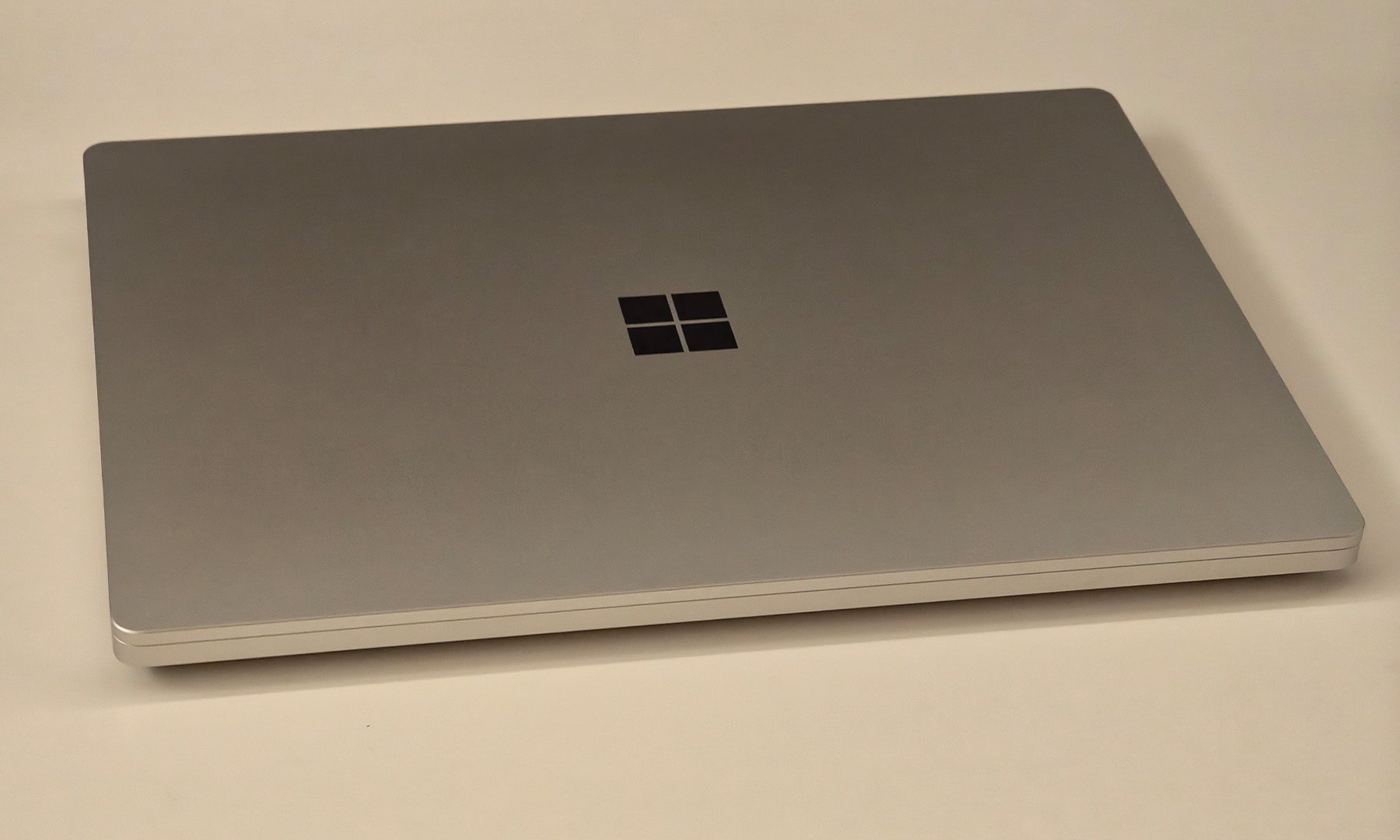
Even so, its standout feature is its stunning 2,000-nit mini-LED display, which remains perfectly legible even under harsh lighting conditions, immediately positioning it as a serious outdoor competitor to Apple’s latest MacBooks. Pair that with Microsoft’s refined industrial design and deep Windows integration, and you have a laptop that feels purpose-built for the next generation of AI-powered workflows.
Dell XPS 16 Creator Edition
Dell’s XPS lineup has always balanced premium aesthetics with serious performance, and the new XPS 16 Creator Edition continues that tradition beautifully.
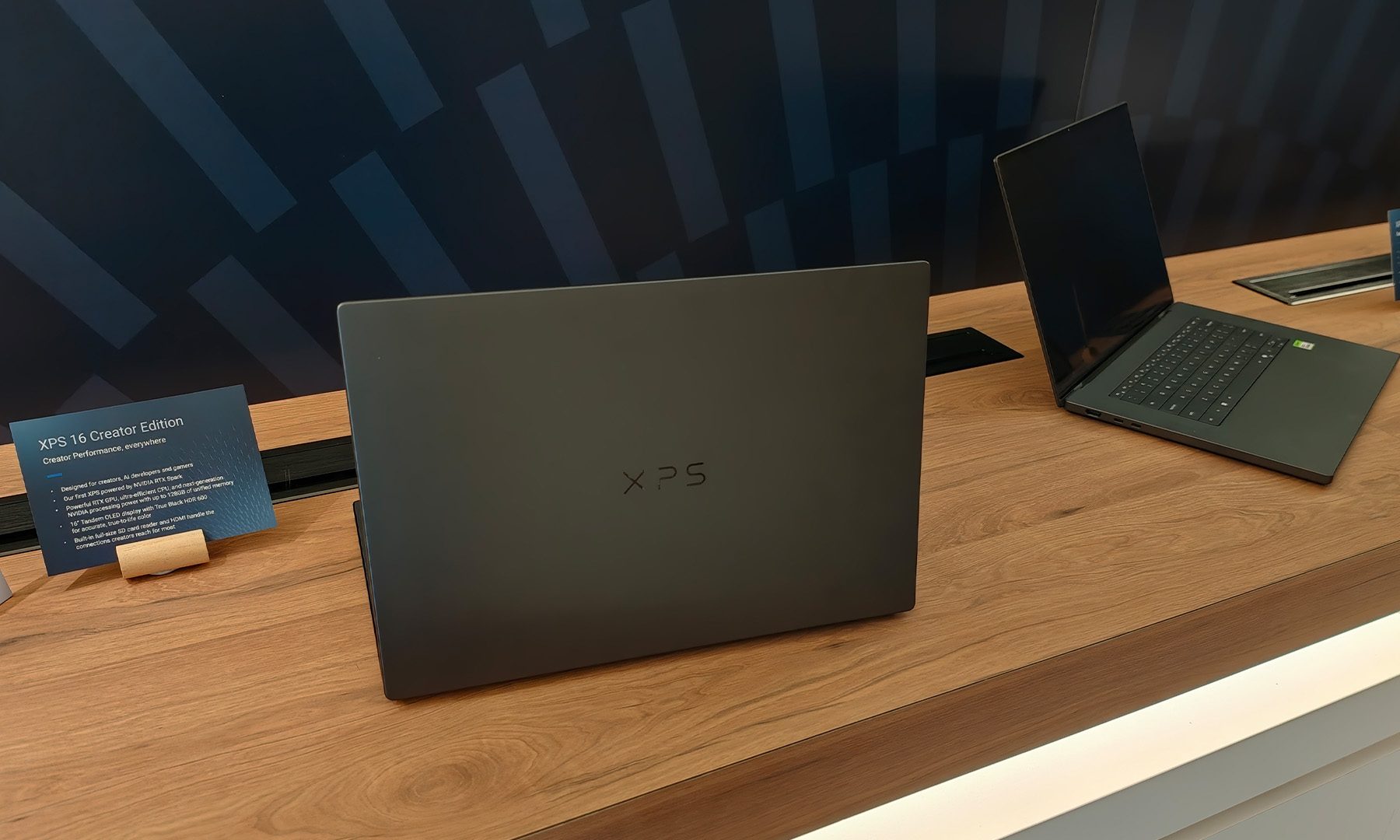
Beyond the RTX Spark platform, Dell has equipped it with a dual-layer Tandem OLED display, bringing significantly higher brightness, improved panel longevity, and gorgeous colour reproduction while maintaining the minimalist design language that made previous XPS machines so iconic. It feels purpose-built for creators who spend hours editing photos and videos but still want something refined enough to carry into a boardroom, effectively blurring the line between workstation and luxury ultrabook.
HP OmniBook Ultra X 14 and OmniBook Ultra 16
HP’s OmniBook Ultra X 14 feels tailor-made for professionals who are constantly on the move but don’t want to sacrifice capability in the name of portability.
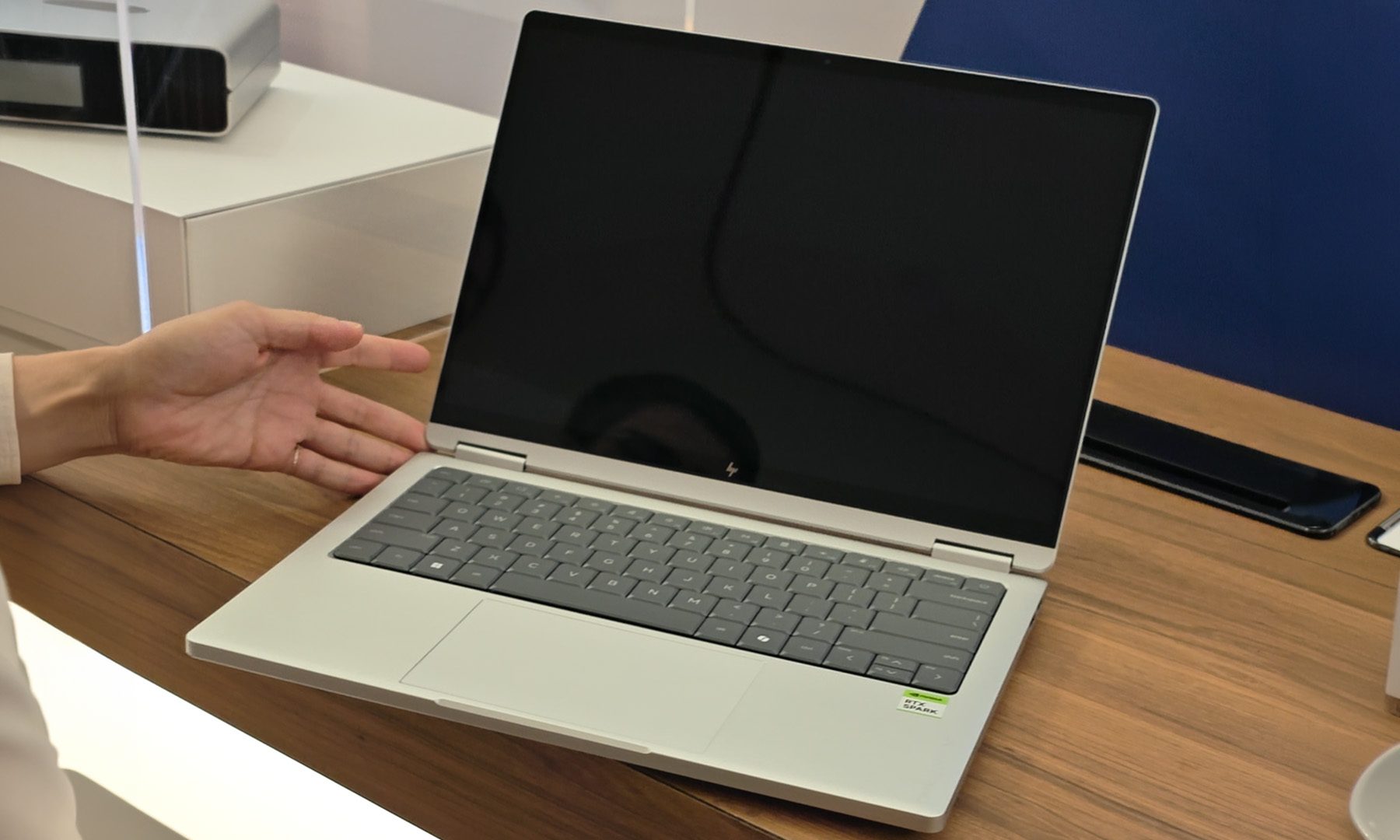
Powered by NVIDIA’s RTX Spark platform, the 14-inch machine combines local AI acceleration with a sleek, lightweight chassis that should easily slip into a backpack without becoming a burden. It strikes a nice balance between performance and practicality, making it an appealing option for developers, creators, and business users who need a premium laptop that can comfortably handle demanding workloads while away from a desk.
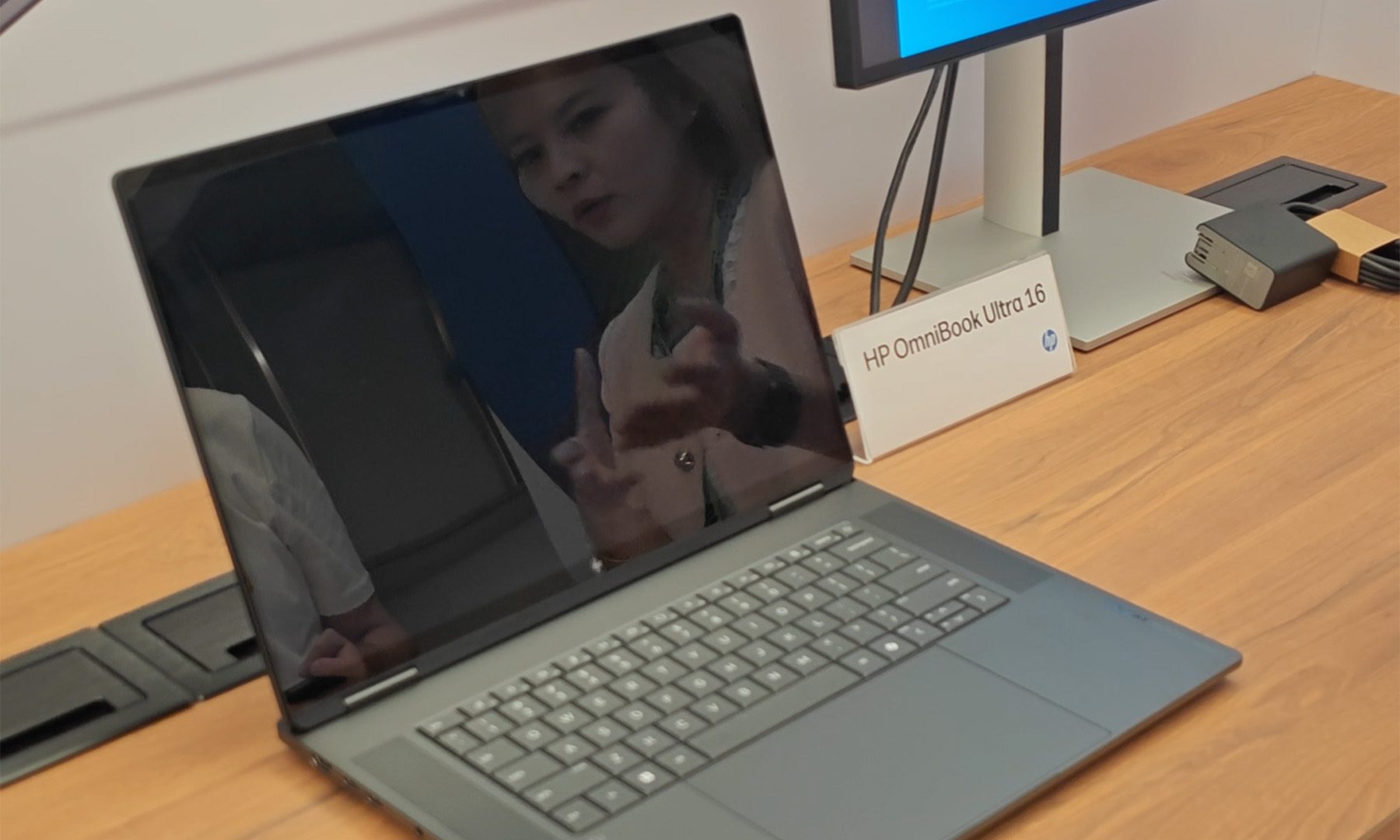
The larger OmniBook Ultra 16, meanwhile, takes the same philosophy and scales it up for users who need more screen real estate and extra horsepower for creative work. With its expansive display, RTX Spark-powered AI capabilities, and focus on sustained performance, it feels better suited for video editors, 3D artists, and professionals juggling multiple applications at once. What impressed me most, though, is that HP hasn’t simply built two powerful machines. It has built two laptops that seem genuinely designed around different kinds of users, ensuring there’s an Ultra that fits almost every workflow.
ASUS ProArt P16 and ProArt P14
Few brands understand creators quite like ASUS, and the latest ProArt family proves exactly why. The ASUS ProArt P16 is clearly built for professionals who spend their days editing 4K footage, rendering 3D scenes, or juggling multiple creative applications at once. Alongside NVIDIA’s RTX Spark platform, it packs a gorgeous OLED display with factory colour calibration, giving photographers, filmmakers, and designers the confidence that what they’re seeing on screen is exactly what they’ll deliver to clients. ASUS has also integrated its suite of ProArt software tools, alongside the physical DialPad baked right into the trackpad, making the laptop feel like a complete creative ecosystem rather than just another powerful machine.
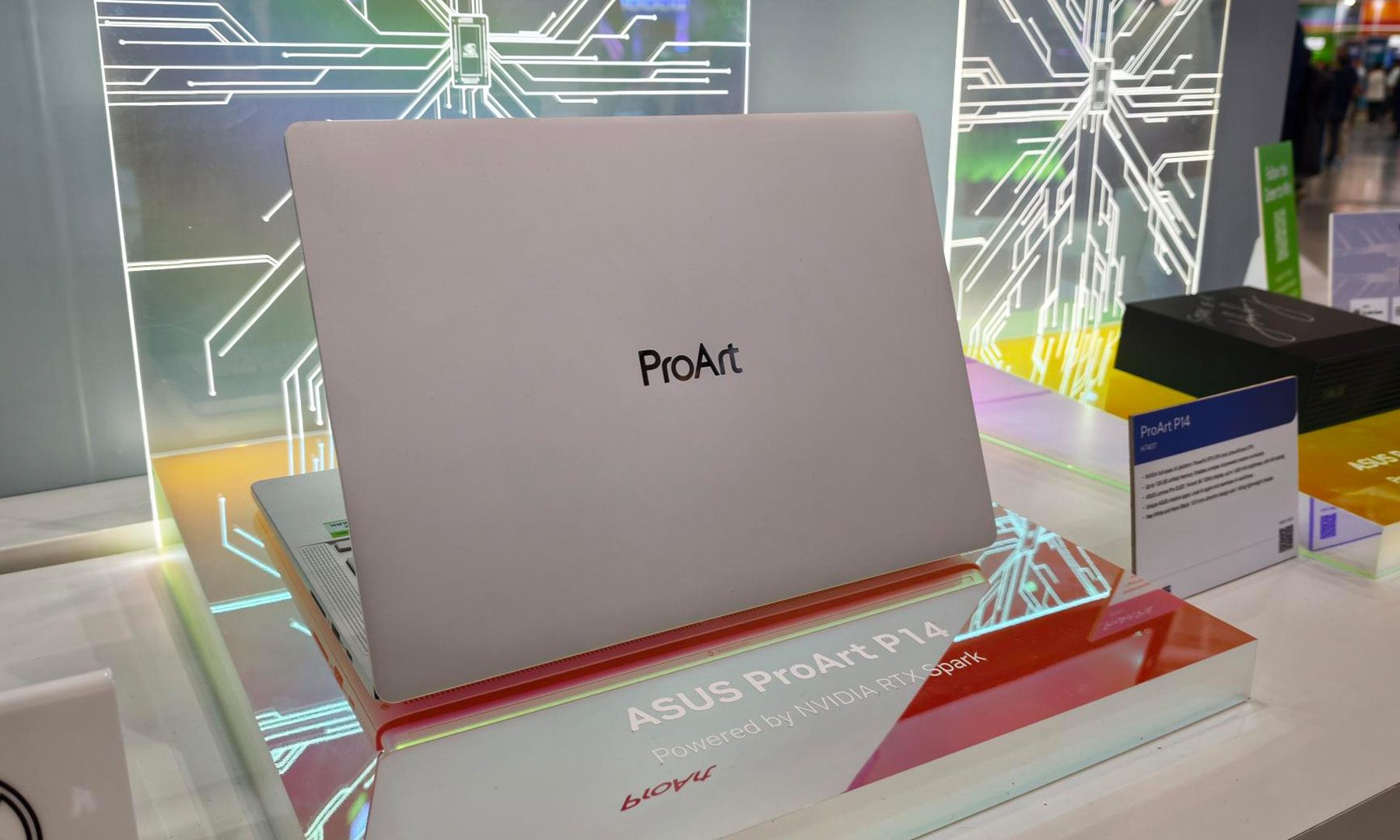
The ASUS ProArt P14 takes much of that same DNA and squeezes it into a far more travel-friendly package. Despite its smaller footprint, it still offers RTX Spark acceleration, a stunning OLED panel, and the same creator-first philosophy that defines the larger model. It’s the kind of laptop that makes sense for photographers editing on location, content creators working from cafes, or freelancers constantly hopping between shoots and client meetings. More importantly, both ProArt machines reinforce ASUS’ long-term commitment to building dedicated creator hardware instead of simply repurposing gaming laptops with a different paint job.
MSI Prestige N16 Flip AI+
MSI decided to take a slightly different route with the Prestige N16 Flip AI+, and honestly, I think that’s a good thing.
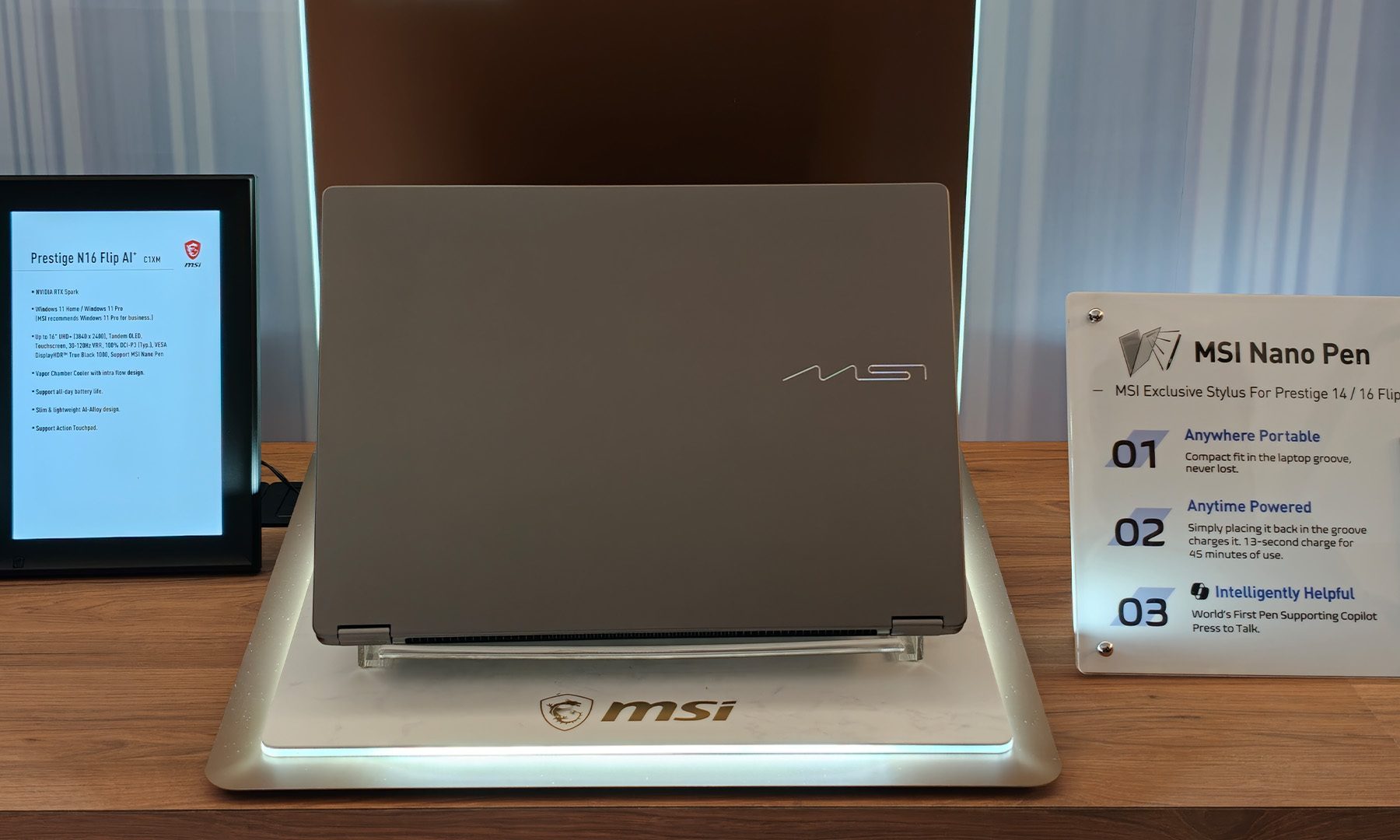
Its convertible form factor already makes it stand out, but pairing it with the company’s Nano Pen transforms it into something much closer to a digital sketchbook than a traditional laptop. Designers, illustrators, and anyone who spends more time drawing than typing will likely appreciate that flexibility, while RTX Spark quietly handles AI-assisted creative tasks in the background. The result is a machine that feels equally comfortable sketching concepts in tablet mode or editing an entire production timeline from a cafe.
Dell XPS 13
Not everyone needs workstation-class hardware, and that’s where Dell’s refreshed XPS 13 shines. It feels like one of the clearest responses to Apple’s aggressively priced MacBook Neo strategy by combining premium construction, impressive battery life, dedicated AI capabilities, and a remarkably portable chassis into a package aimed at everyday users rather than professionals.
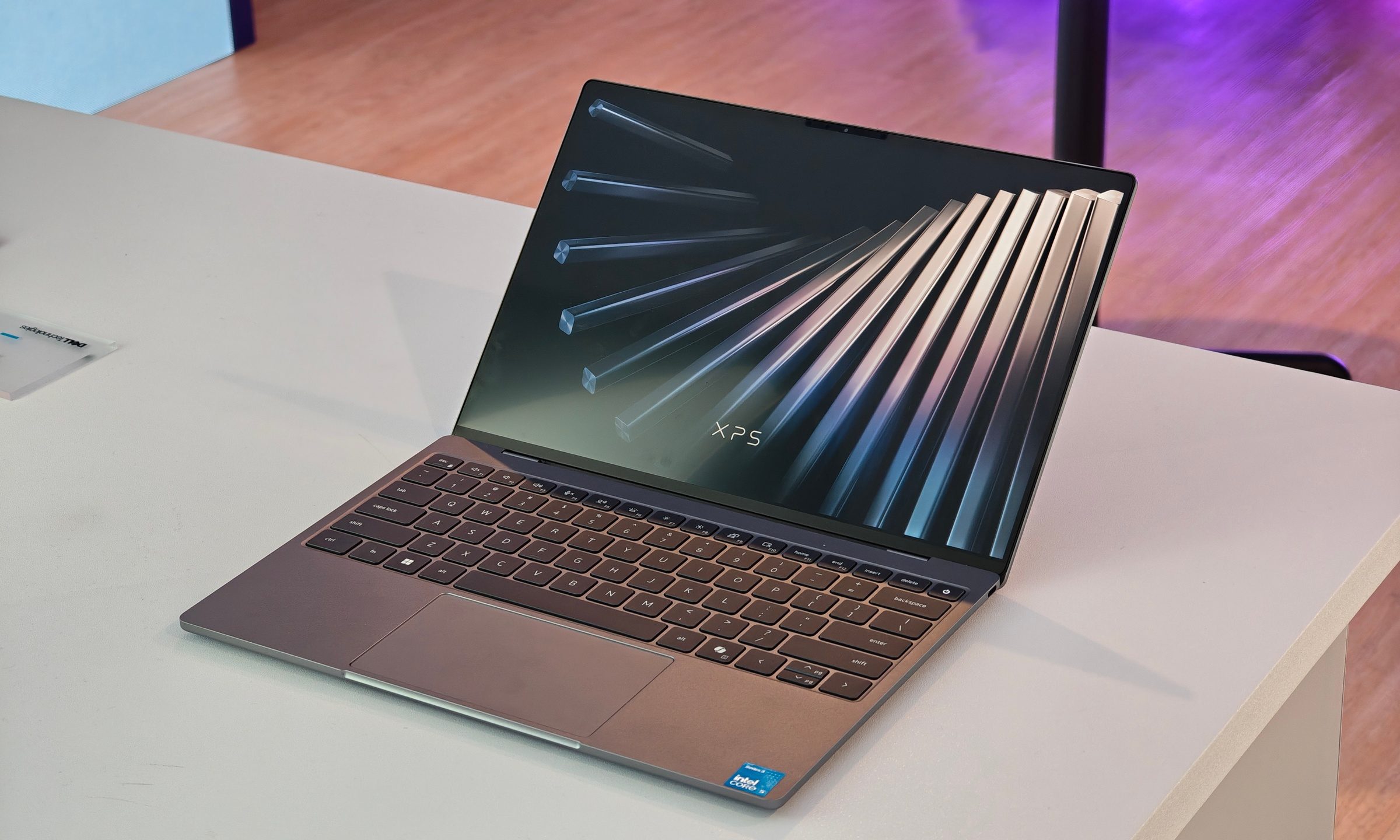
Dell has also refined the iconic XPS design further, with its ultra-slim profile, minimalist CNC-machined aluminium body, and almost bezel-less display, making it one of the most elegant Windows laptops announced this year. Up front sits a sharp 2.5K display that strikes an excellent balance between crisp visuals and power efficiency, making everything from spreadsheets to Netflix binges look fantastic. Dell isn’t trying to build the fastest laptop here. Instead, it’s focusing on delivering a polished, premium experience that people will genuinely enjoy carrying around every single day.
Acer Swift Air 14
Acer’s Swift Air 14 is arguably one of the most exciting thin-and-light laptops announced at Computex, not because it chases flagship specifications, but because of the value it promises to deliver. Positioned as an affordable premium ultraportable with a starting price of just $699, it brings features that would have easily belonged in a much more expensive machine only a couple of years ago.
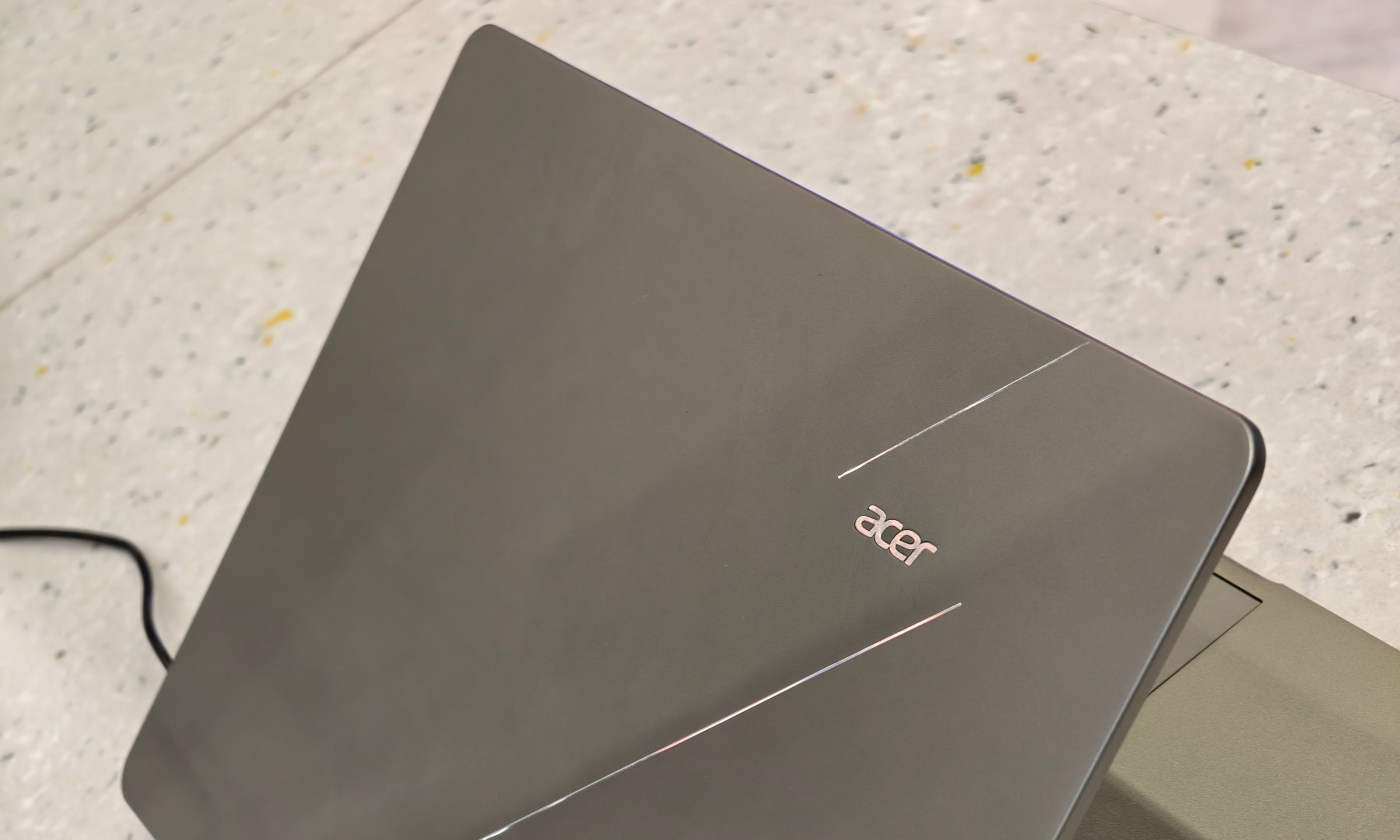
Like the Dell XPS 13, the Swift Air 14 embraces the idea that portability shouldn’t come at the cost of capability. It pairs a sleek, lightweight design with dedicated AI acceleration and efficient hardware, making it an excellent fit for students, young professionals, and everyday users looking for a modern Windows laptop without stretching their budget. More importantly, its aggressive pricing shows that AI PCs are finally becoming accessible to the mainstream, and not just reserved for premium flagships.
ASUS ROG Strix SCAR 18
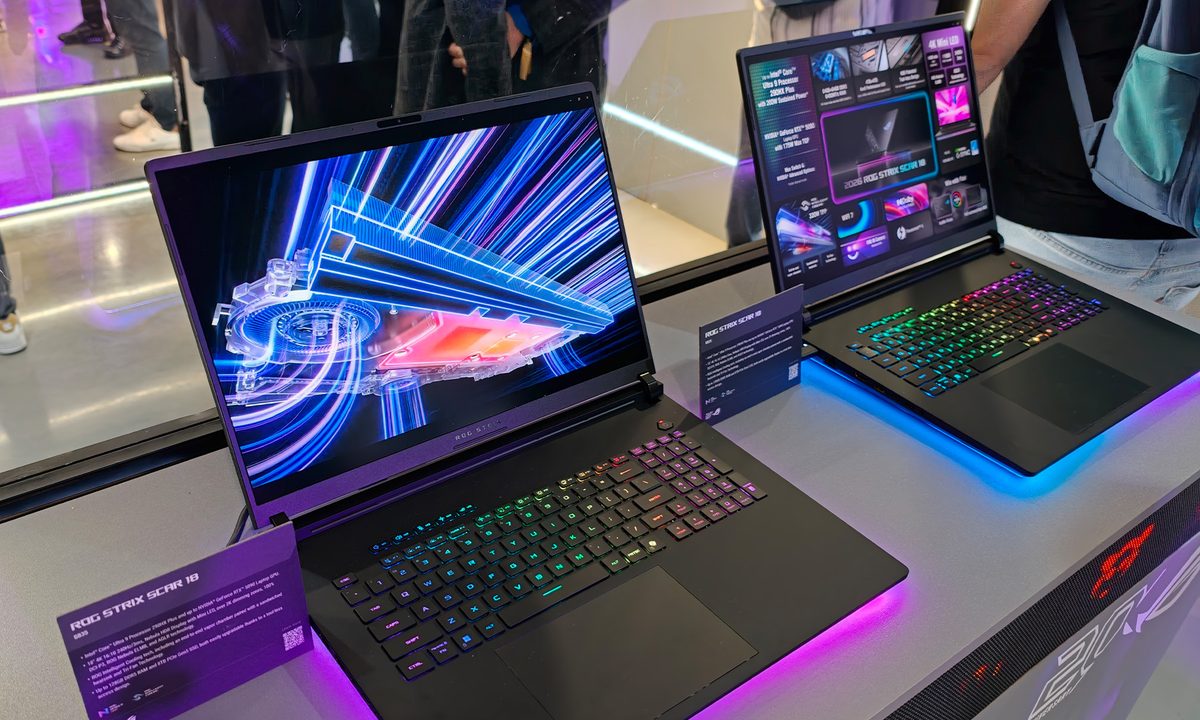
Every list needs at least one unapologetically overpowered gaming machine, and this year’s honour goes to the ASUS ROG Strix SCAR 18. Configured with up to an NVIDIA GeForce RTX 5090 Laptop GPU and capable of sustaining a staggering 320W combined system power budget, the SCAR 18 is built for enthusiasts who refuse to compromise. Pair that with aggressive cooling and ASUS’ signature ROG styling, and you end up with a laptop that doesn’t merely replace a gaming desktop. It actively challenges one.
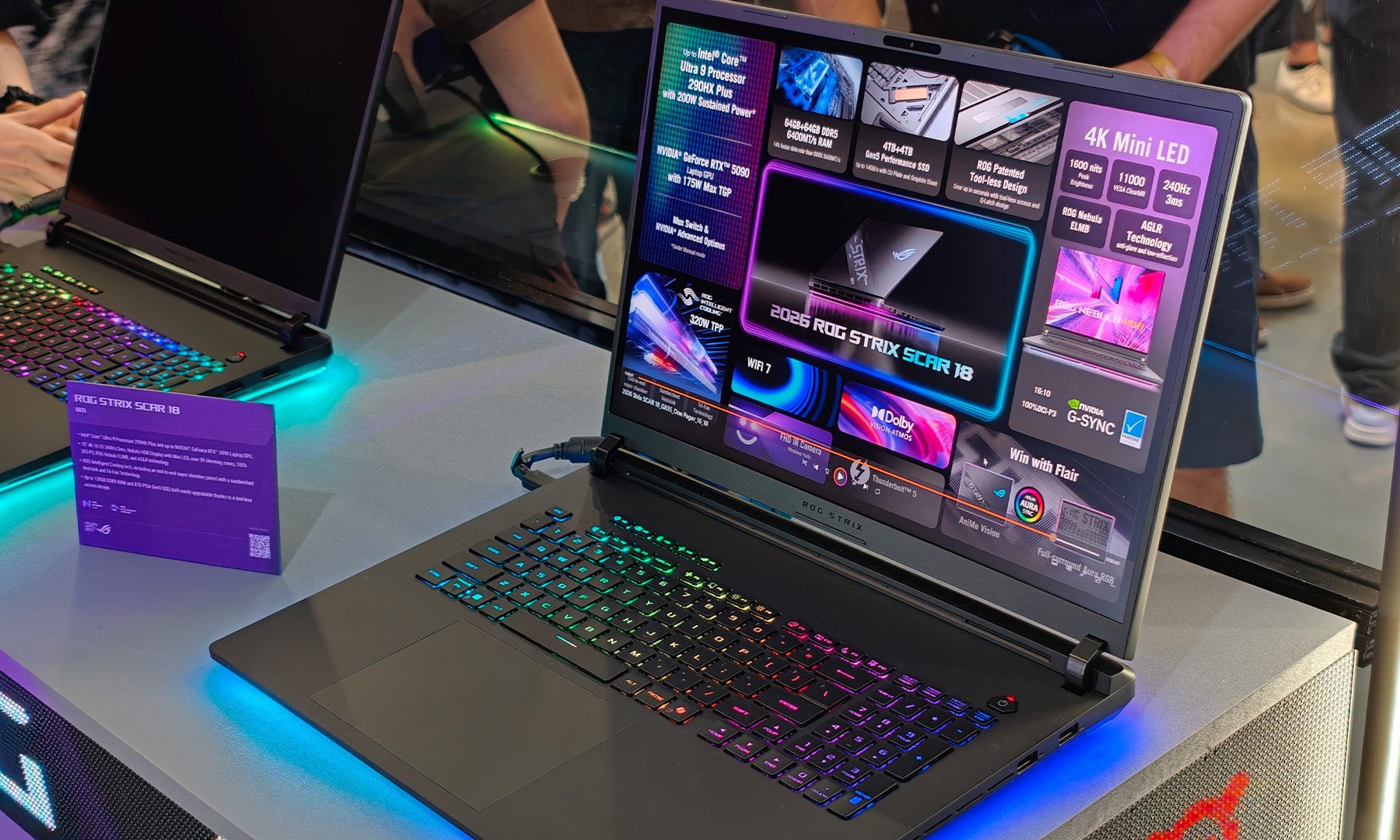
The display deserves just as much attention as the hardware inside. ASUS has equipped the SCAR 18 with what it calls the world’s first 18-inch 4K 240Hz Mini LED laptop panel, complete with ROG Nebula ELMB technology, over 2,000 local dimming zones, and up to 1,600 nits of peak HDR brightness, delivering a rare combination of ultra-high resolution and esports-grade refresh rates. For gamers who want a machine that can handle cinematic AAA titles one moment and competitive shooters the next, the SCAR 18 feels like one of the most ambitious laptops announced at Computex 2026.
Acer Aspire Go 15
Perhaps the most interesting entry on this list isn’t the most expensive one. The Acer Aspire Go 15 becomes one of the first laptops to showcase Qualcomm’s Snapdragon C platform, signaling a push toward affordable AI-powered Windows machines.
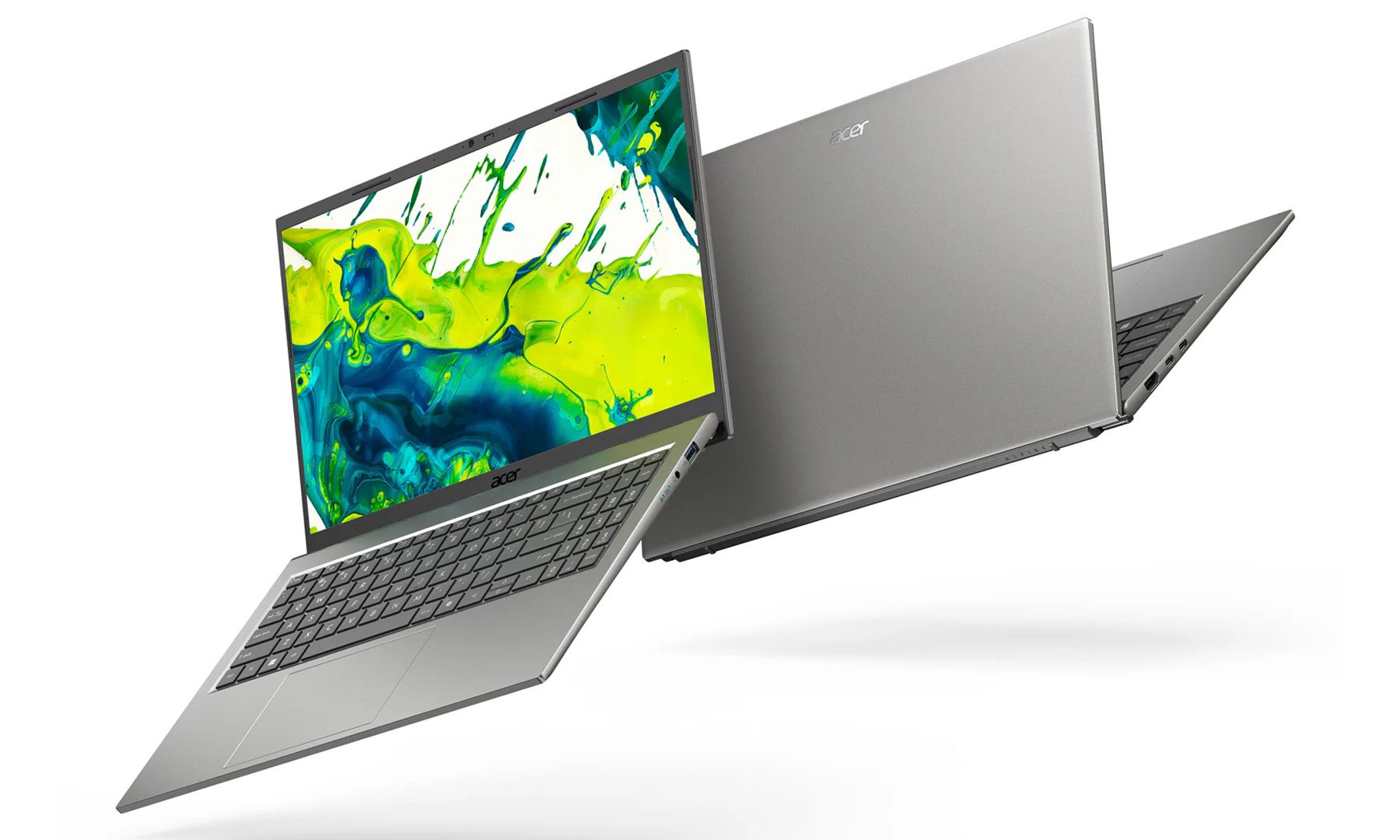
Rather than targeting enthusiasts, it focuses on students, first-time buyers, and budget-conscious users who want excellent battery life and modern AI features without spending flagship money. With Acer targeting a price point of under $400, it could become one of the most important launches of the year by bringing local AI capabilities to a market segment that’s often overlooked.
The best laptops aren’t just getting faster. They’re getting smarter.
If Computex 2026 proved anything, it’s that the best laptops are no longer the ones with the biggest spec sheets. They’re the ones that actually understand who they’re built for. Whether it’s an AI-powered creator machine, an affordable everyday ultraportable, or a desktop-replacing gaming beast, the industry finally seems to be trading meaningless numbers for meaningful experiences. And honestly, that’s a glow-up both our workflows and our wallets can appreciate.


