  1. Home
  2. Computing
  3. News

TSMC’s latest chip packaging breakthrough promises lower costs and better performance

Analyst Ming-Chi Kuo says the new CoPoS technology could make AI chips cheaper and more powerful.

Add as a preferred source on Google
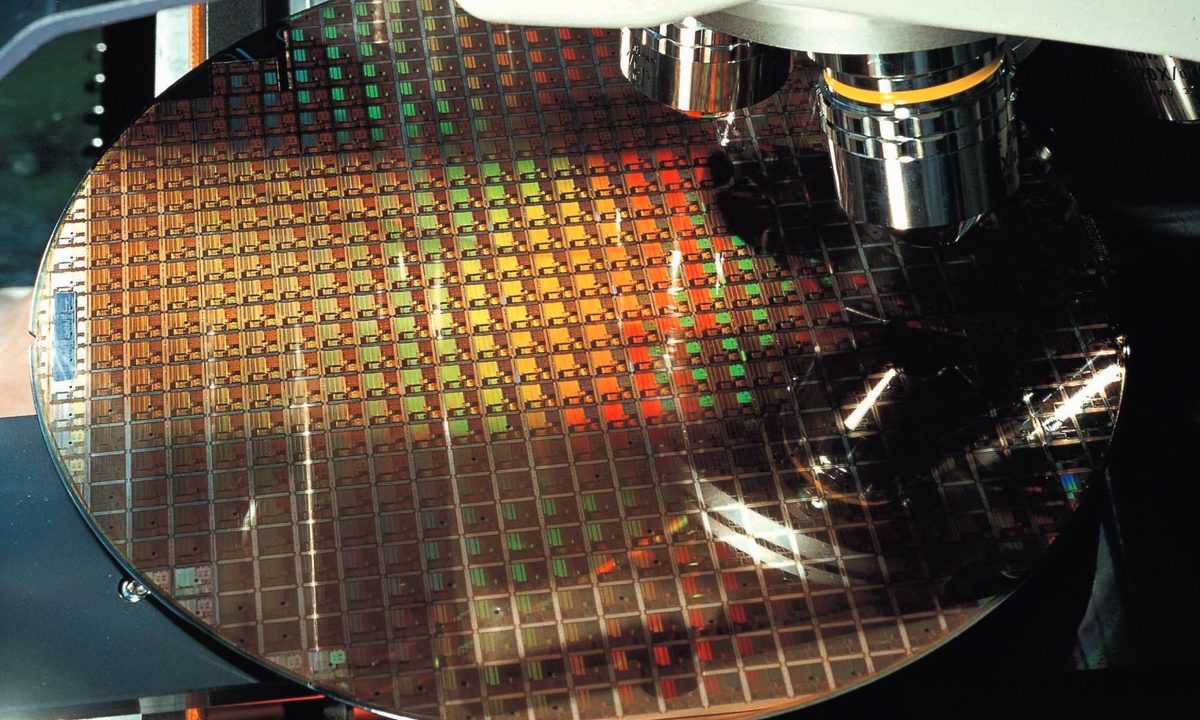
TSMC Silicon wafer
TSMC

Making chips smaller has dominated the semiconductor conversation for years, but TSMC’s next big leap may come from how those chips are packaged instead. According to analyst Ming-Chi Kuo, the company is developing a new Chip-on-Panel-on-Substrate, or CoPoS, technology that promises lower manufacturing costs while delivering better performance for future AI processors.

TSMC’s CoPoS packaging could make future AI chips both cheaper and faster

In a recent post on X, Ming-Chi Kuo revealed that TSMC is working on CoPoS, an advanced packaging architecture that replaces conventional wafer-based manufacturing with panel-level processing. The shift to rectangular panels allows for better material utilization and supports significantly larger package sizes, making it particularly attractive for increasingly complex AI accelerators. Furthermore, reports suggest the technology could enter mass production around 2028.

Key takeaways on TSMC’s next-generation advanced packaging, CoPoS (publicly available technical details omitted):

1. CoPoS is currently expected to enter mass production in 2H28. It is designed to improve the economics of ultra-large packages above the 9.5x reticle-size class,…

— 郭明錤|Ming-Chi Kuo (@mingchikuo) June 11, 2026

Kuo also clarified that, contrary to some early interpretations, glass is only used as a temporary carrier during manufacturing rather than becoming part of the finished package itself. The final substrate remains conventional, while the new process aims to reduce waste and improve production efficiency without sacrificing performance.

Recommended Videos

The technology is expected to complement TSMC’s existing CoWoS packaging rather than replace it outright. Reports have also floated NVIDIA’s future Feynman AI chips as potential early adopters, given the industry’s growing demand for ever-larger AI packages packed with compute chiplets and high-bandwidth memory.

Turns out the biggest innovation might not be inside the chip

The funny thing is that transistor shrinks are no longer the only way to chase performance gains. As AI models demand more memory, more compute, and more bandwidth, advanced packaging has quietly become one of the semiconductor industry’s hottest battlegrounds, with companies looking for smarter ways to stitch everything together.
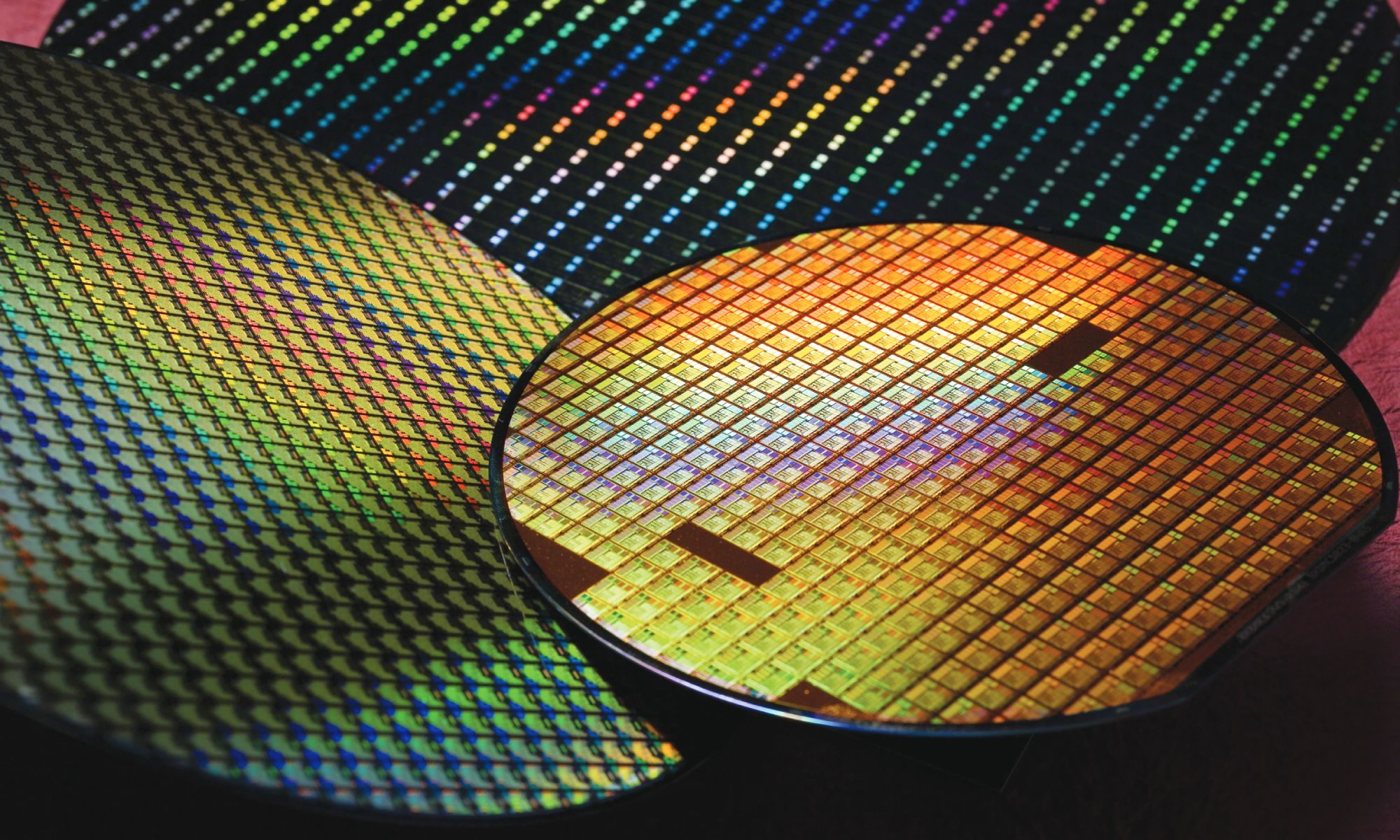
If CoPoS delivers on its promise, it could help reduce production costs while enabling even larger and more capable AI processors. That might not sound as flashy as a new 2nm process node, but in today’s AI race, how you package a chip is rapidly becoming just as important as how you manufacture it

Varun Mirchandani
Varun is an experienced technology journalist and editor with over eight years in consumer tech media. His work spans…
Best laptops coming in 2026 after Computex
From RTX Spark powerhouses to next-gen ultrabooks, these laptops are truly worth waiting for.
ASUS ROG Strix Scar 18 Computex 2026 Other

Every Computex promises the next big thing, but only a handful of laptops actually feel worthy of the hype. After spending time exploring the show floor and seeing these devices up close, one thing became abundantly clear: 2026 isn't just about faster processors. It's about smarter laptops, better portability, and AI features that are finally starting to feel useful instead of being another sticker on the palm rest.

A big part of that shift is NVIDIA's new RTX Spark platform, which made its way into several premium creator machines this year. Rather than diving into its technical details yet again, let's focus on the laptops themselves, because each manufacturer has taken the platform in a very different direction.

Read more
The Biggest PC hardware trends from Computex 2026
These six trends could define the next chapter of PC computing.
MSI MAG Gaming setup at Computex 2026

Every Computex has its headline-grabbing announcements. There's always a faster processor, a shinier graphics card, or a laptop that's somehow even thinner than last year's model. But after spending several days wandering the halls of Computex 2026, talking to engineers, trying products, and occasionally getting lost between exhibition booths, I came away with a very different takeaway. That said, this year's show wasn't really about individual products. Rather, it was about the direction the industry is heading. Instead of chasing flashy specifications for the sake of marketing slides, manufacturers finally seem focused on solving real problems.

The MacBook Neo effect is impossible to ignore

Read more
From Handhelds to Monitors, these were the biggest glow-ups at Computex 2026
I walked into Taipei expecting spec bumps and walked away convinced four entire categories had levelled up.
Biggest Glowups at Computex 2026

Every year, Computex promises the next big thing. Sometimes that means another processor with a few extra cores, a laptop that's 200 grams lighter, or a monitor that's somehow even faster than the one before it. But every now and then, a trade show surprises you not with a single product, but with an entire category that suddenly feels new again. That's exactly how Computex 2026 felt to me.

After spending days walking the show floor, trying products, talking to engineers, and inevitably getting lost between booths more times than I'd like to admit, one thing became crystal clear. The biggest stories weren't about incremental upgrades. They were about categories, finally shedding old compromises. Monitors became smarter, handhelds became more mature, creator laptops became more versatile, and ARM processors started looking like genuine powerhouses instead of niche alternatives.

Read more