  1. Home
  2. Phones
  3. News

Sign in with Apple and iCloud+ Hide My Email are merging to lessen your memory burden

Apple is giving its privacy email tools a unified home this summer.

Add as a preferred source on Google
apple-merging-sign-in-with-apple-hide-my-email-icloud+
Apple

If you use an iPhone, you have probably collected a few of Apple’s privacy email addresses without thinking much about them. Soon they will all look the same.

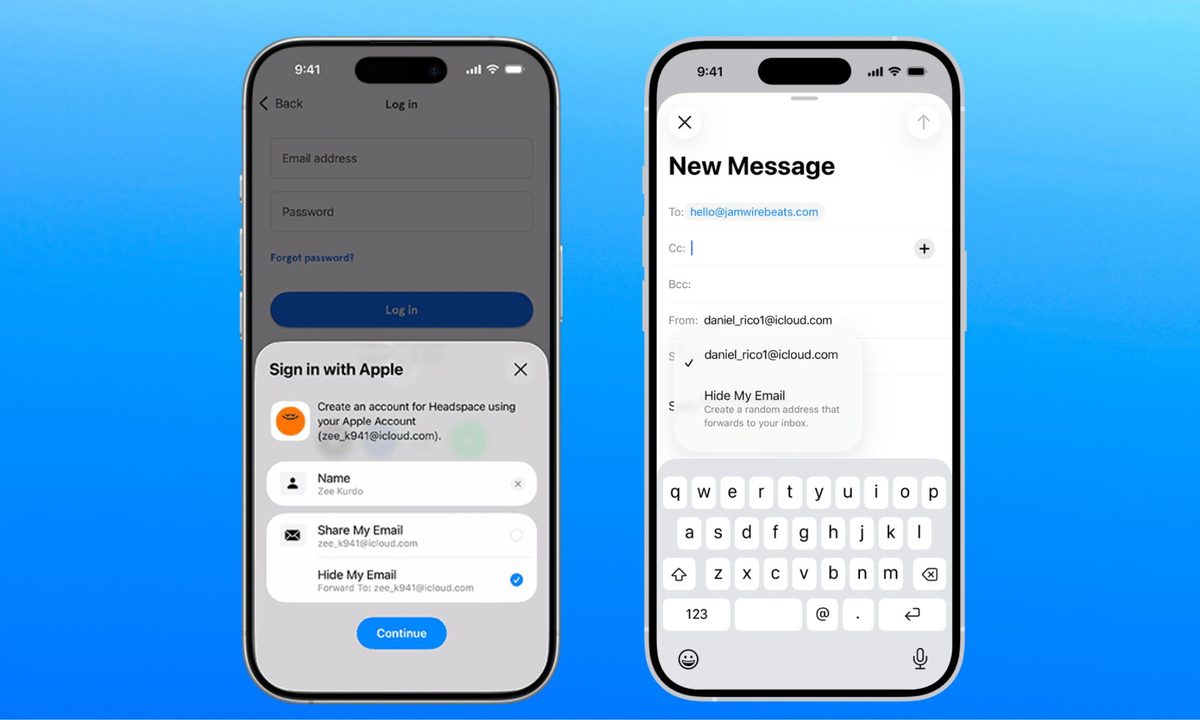
Apple has confirmed in a developer post that it will fold Sign in with Apple and iCloud+ Hide My Email into one shared domain (private.icloud.com), later this summer. It’s a small backend tweak that saves you from having to remember both.
What is changing with Apple’s private.icloud.com domain?

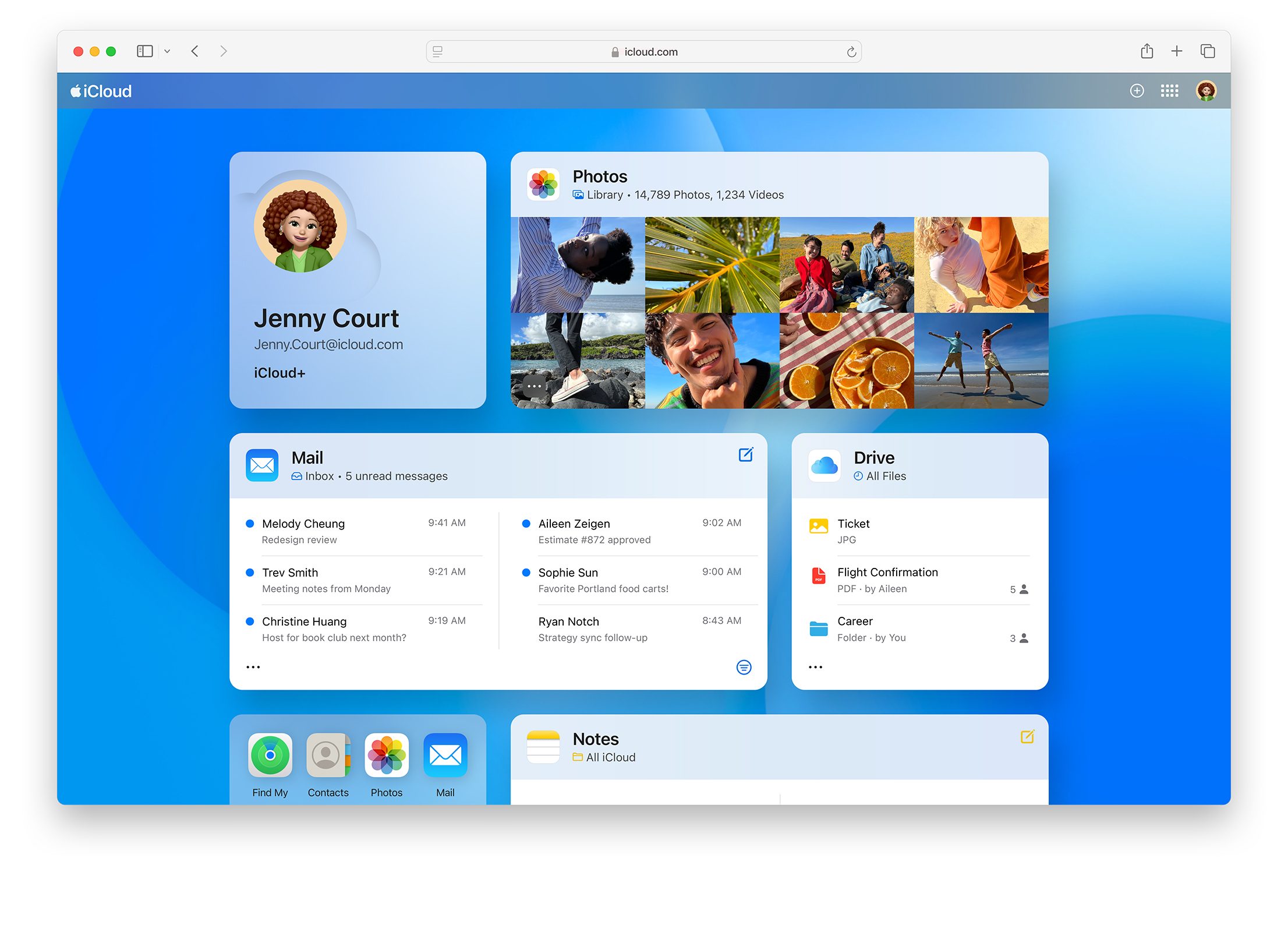
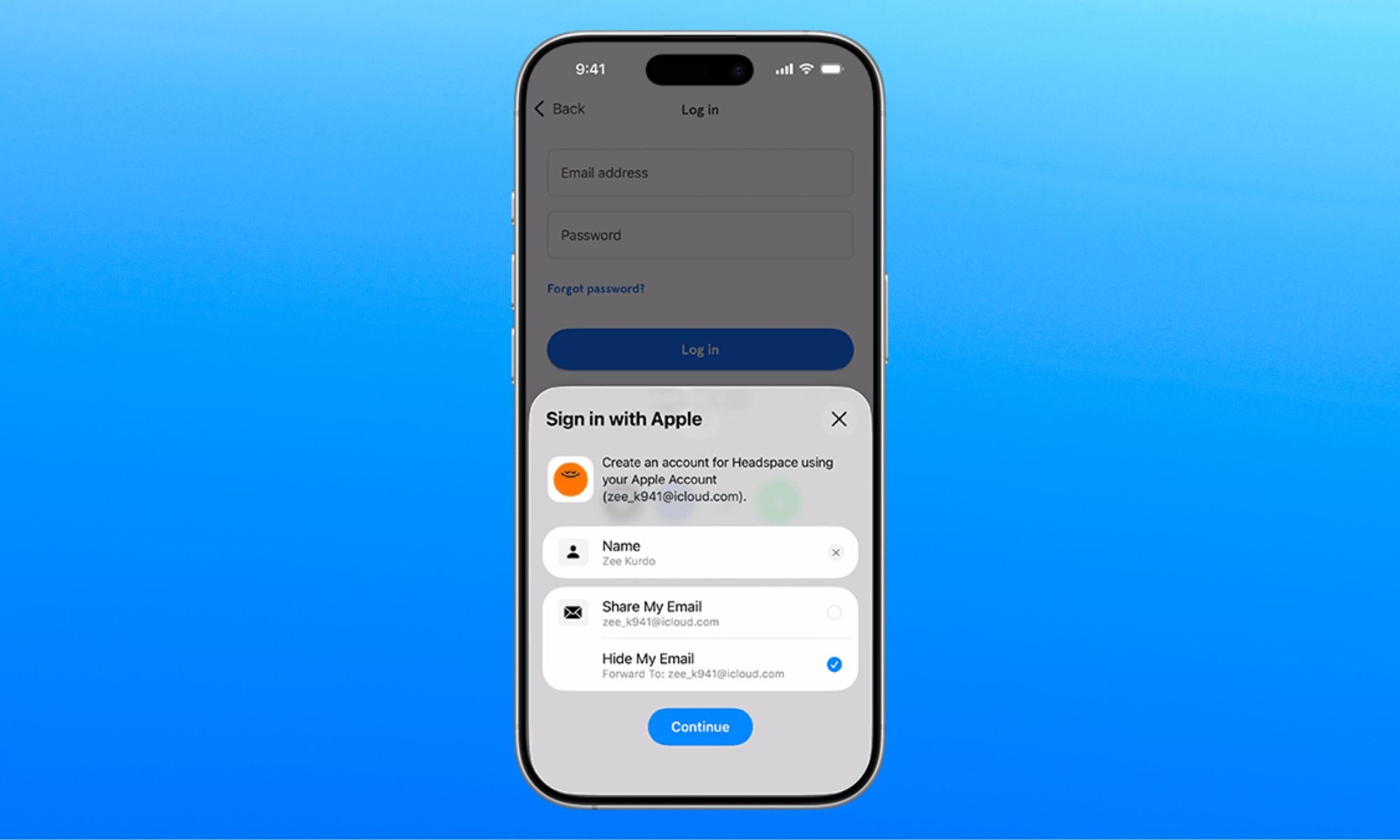
Right now, these two features hand you addresses on totally different domains. Sign in with Apple gives you a masked address on privaterelay.appleid.com when you log into a third-party app. Whereas, Hide My Email, which comes with iCloud+, lets you whip up random aliases on icloud.com that forward straight to your inbox.

Recommended Videos

Going forward, new addresses for both of them will land on private.icloud.com instead. So you no longer have to remember which clunky domain goes with which feature. Having one familiar format will help you spot an Apple privacy address in a second.

Do you need to do anything?

No, this change is mostly a behind-the-scenes shift that requires action from third parties. Apple says your existing addresses will keep working and forwarding mail without a hitch. The switch only applies to new addresses created after the change rolls out.
Developers will have to do the heavy lifting here, since Apple wants them to update their account systems, email validation logic, and allowlists to accept the new domain alongside the existing ones.

Email service providers also need to revise their filtering rules and suppression lists so that private.icloud.com addresses are not accidentally blocked or routed to spam.

Apple has not confirmed a specific launch date for the merge, though the iOS 27 launch this September could be the likely window.

Manisha Priyadarshini
Manisha Priyadarshini is a tech and entertainment writer with over nine years of editorial experience.
Android 17 is about to make gaming on foldables way better
Person, Computer Hardware, Electronics

Google is giving mobile gamers a few new reasons to pay attention to Android 17. The next version of Android introduces features aimed squarely at gaming, with foldable phones among the biggest beneficiaries.

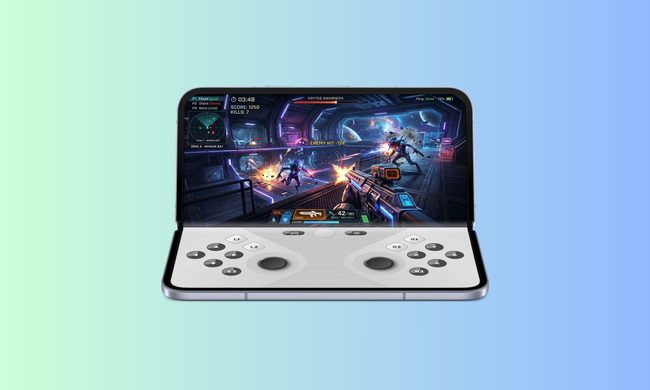
Among the highlights is a new foldable gaming mode that finally puts those larger displays to better use. Instead of stretching games across the entire screen and covering parts of the action with touch controls, Android 17 introduces a smarter layout designed specifically for gaming.

Read more
Google releases Android 17 for Pixel phones
Gemini Intelligence arrives later this year for selected devices.
Electronics, Mobile Phone, Phone

After months of rumors and two keynote events in May 2026, Google has finally released Android 17, the stable version. It's rolling out to eligible Pixel devices today, including models in the Pixel 6 lineup, all the way to the latest Pixel 10 series.

The stable build contains plenty of features showcased at The Android Show and Google I/O, but if you were hoping to get your hands on Gemini Intelligence, that will ship later this summer to “select advanced devices.” With that out of the way, here’s what Android 17 offers at launch.

Read more
Commodore’s flip phone runs Android apps, but it’s the retro looks that’ll convince you to get one
The Callback 8020 wants to be the smarter dumb phone, with modern apps, privacy-first software, and a proper snap-shut design.
Computer Hardware, Electronics, Hardware

Commodore is bringing back the flip phone for people who want fewer screen traps without giving up every useful app. The Commodore Callback 8020 uses a custom Sailfish OS build and supports many Android apps through Linux, which gives it more range than a typical minimalist handset.

The retro look does a lot of the selling. You get a clamshell body, T9-style texting, a small front status display, dome LED notifications, and color options that echo old Commodore hardware more than modern glass-slab phones.

Read more