

Snap has just lifted the covers from SPECS, the brand’s first mass-market Augmented Reality smart glasses. These will go head-to-head against the Meta Ray-Ban Display and the upcoming slate of screen-equipped smart glasses running a specialized version of Google’s Android OS.
So, how much do I pay?
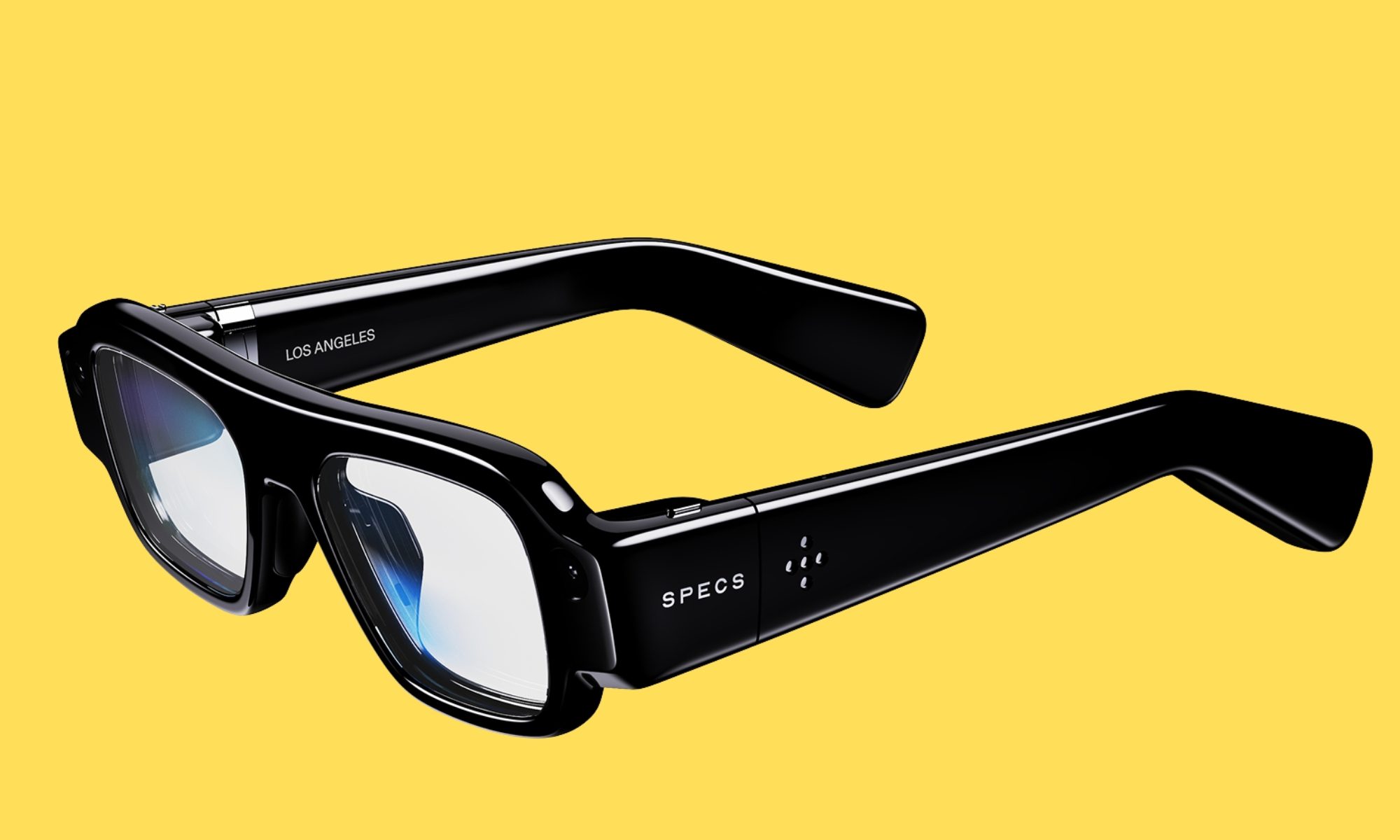
Well, Snap’s AR glasses won’t come cheap. They are priced at $2,195, but you will need to submit a deposit worth $200 (which is refundable) in order to grab them when they go on sale in the Fall. Availability is going to be pretty limited, it seems, as these glasses will only go on sale in the United States, the United Kingdom, and France, according to the company.
For comparison, the Meta Ray-Ban Display smart glasses only cost $799 in the US, but they only offer a single display unit. RayNeo’s X3 Pro smart glasses are the nearest competitor, but they will still set you back by $1,299 a pop.
What makes them special?

The biggest draw of these glasses, apart from their normal or, I would even say, stylish design, is the built-in display. Snap says that it’s a proprietary liquid crystal on silicon display that can reproduce 16 million colors and offers a 51° field of view. The company compares it with the experience of staring at a 24-inch monitor or a 115-inch TV that you are watching from a perceived distance of 10 feet in your home.
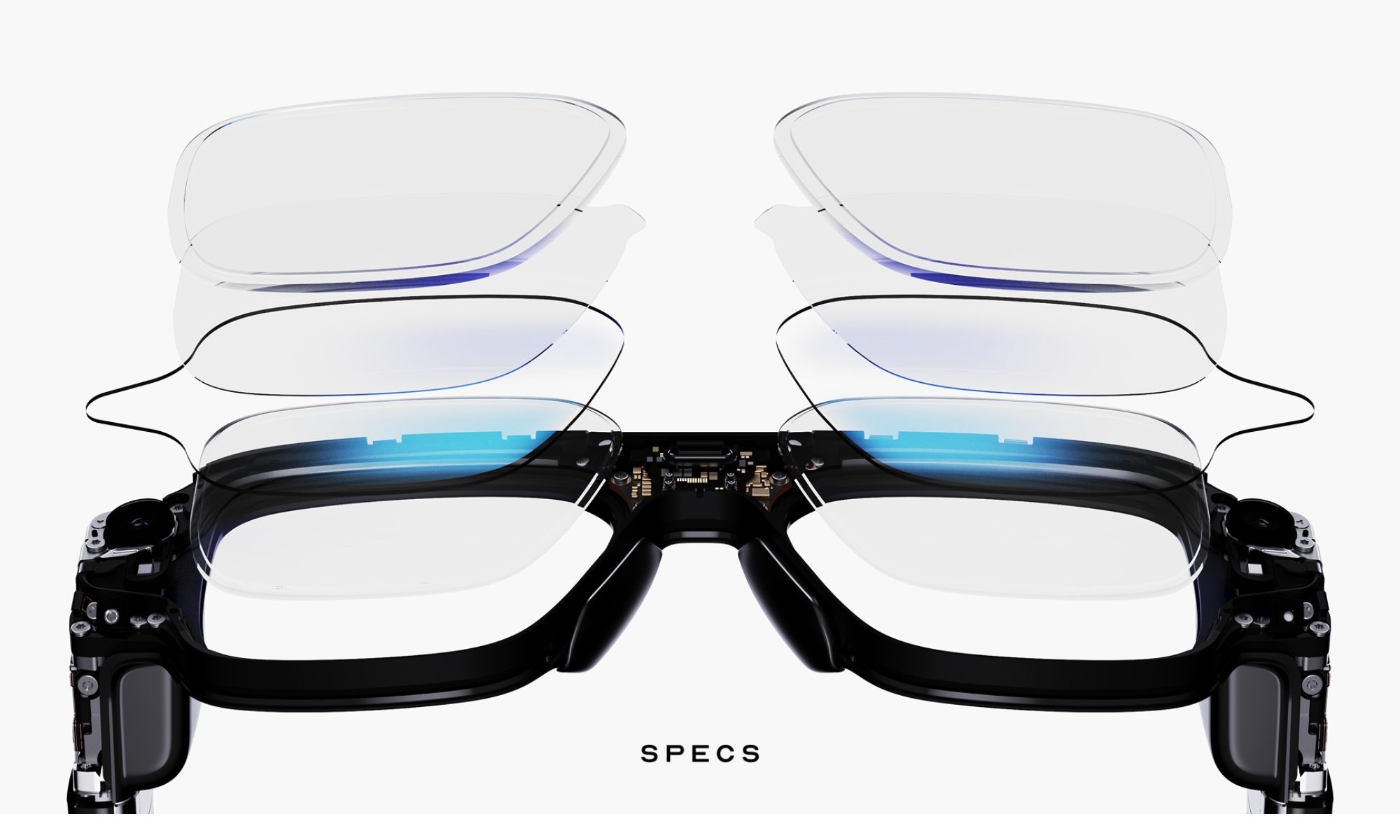
Snap claims that the waveguide display units on its SPECS smart glasses will offer minimal distortion, and they come with electrochromic lenses, which can go from clear to a tinted shade in just 10 seconds. Now, this won’t be the first time that we are seeing electrochromic glasses. Xreal, for example, has already offered this tech on its XR smart glasses since 2023, and we have even seen this tech make an appearance on OnePlus‘ concept phones years ago.
On the inside, these smart glasses come equipped with two Qualcomm Snapdragon processors. One of them enables computer vision so that the glasses can make sense of the world around them through the onboard camera, while the other one allows the glasses to handle hand tracking and other multi-modal AI interactions.
Snap claims that these classes can be used for four hours on a single charge, which includes:
- Audio and video playback, as well as interactions with the onboard AI assistant
- Watching notifications being sent from your connected device through Bluetooth
- Using the built-in Snap Lenses

The charging case, on the other hand, takes the battery endurance to a total of 20 hours. These glasses run the company’s in-house Snap OS software with dozens of Snap Lenses that unlock exclusive user experiences. “SPECS are the most capable and most wearable AR glasses ever built,” claims CEO Evan Spiegel. It would be intresting to see how they stack up against the upcoming wave of display-equipped smart glasses running Android apps.


