  1. Home
  2. Wearables
  3. News

Wear OS 7 is here and your Pixel Watch is about to get a lot smarter

Google's Wear OS 7 brings Gemini AI and Live Updates to your wrist.

Add as a preferred source on Google
wear-os-7
Google

Google just rolled out Wear OS 7 to eligible Pixel Watch devices with several useful changes. More than half of Wear OS users wear their watch seven days a week, and the most active wear it for over 23 hours a day, so it’s no surprise that Wear OS 7 is built for exactly that kind of commitment.

New Wear OS 7 features rolling out to Pixel Watch
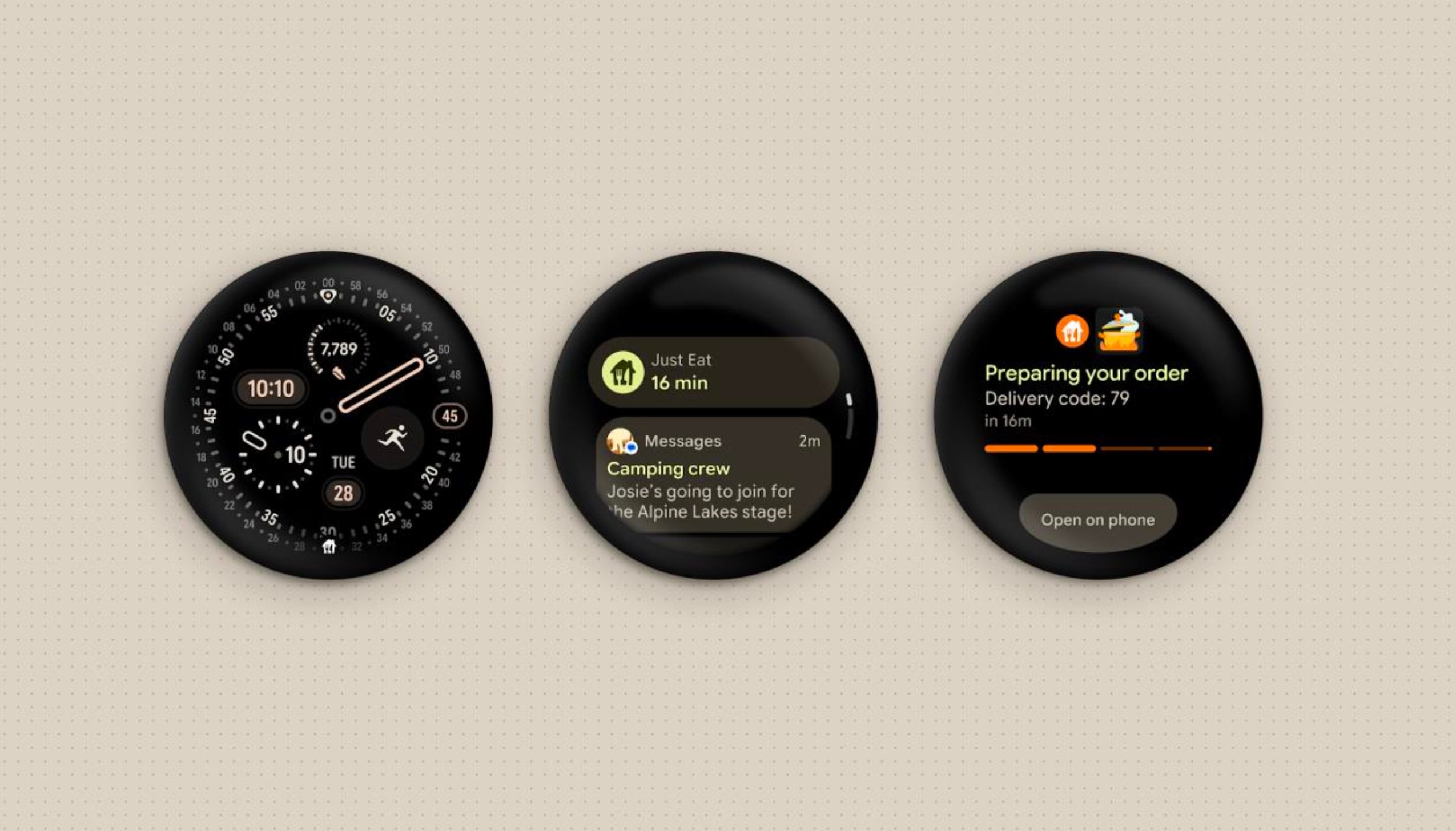
The most useful addition is Live Updates, which brings Android Live Updates straight to your wrist. It mirrors real-time information from your phone apps directly to your wrist so you can track your food delivery, live sports scores, or workout progress without pulling out your phone.

Recommended Videos

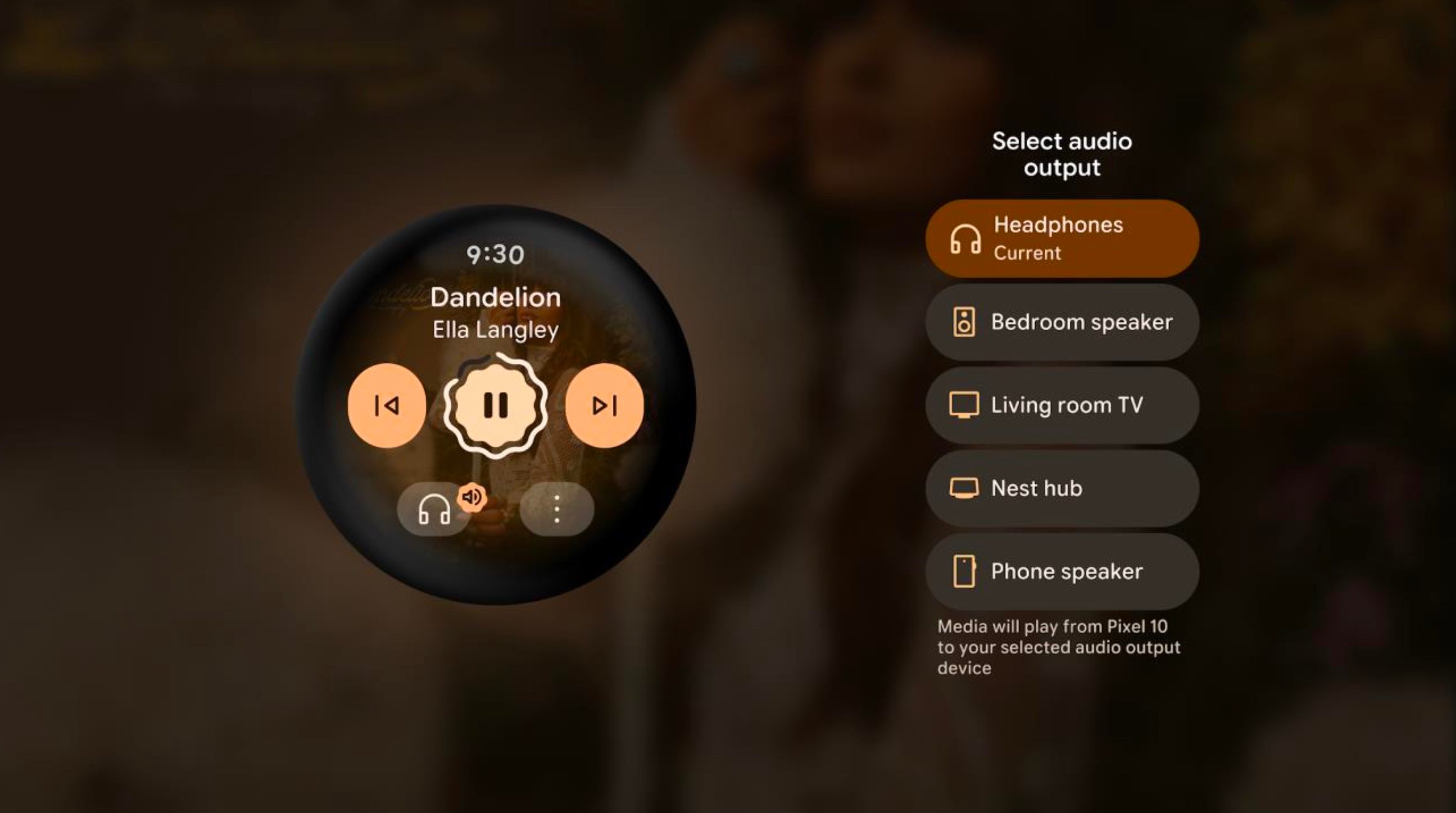
Wear OS 7 also makes your watch a smarter hub for your connected devices. You can control audio playback across your headphones, home speakers, and other devices using a media output switcher.

If you take a photo with a pair of audio glasses, you can preview it instantly on your watch. Google’s intelligent eyewear launches this fall and will work directly with Wear OS 7.

Every Gemini Intelligence feature coming to Wear OS 7
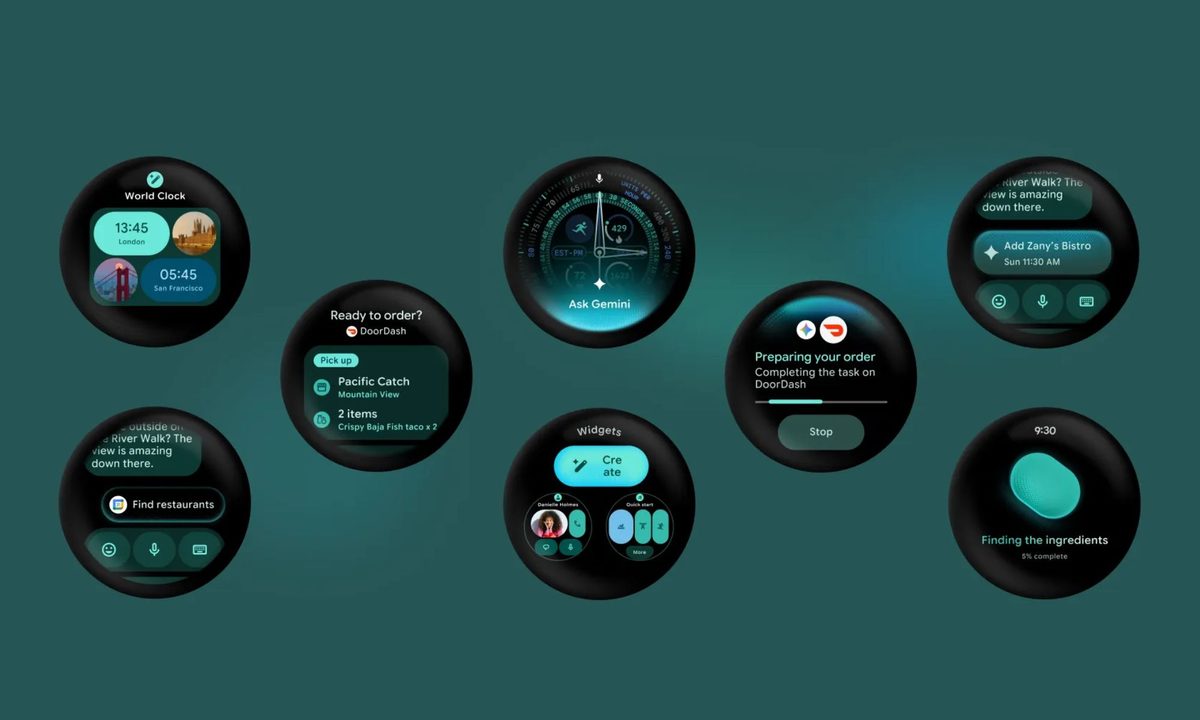
The update gets even more interesting later this summer, when select devices unlock Gemini Intelligence.

  • Create My Widget lets you build personalized watch dashboards just by describing what you want in plain language.
  • Multi-step app automation takes it further by letting Gemini complete tasks for you, whether that is booking a spin class or reordering your usual from a favorite restaurant.
  • Personal Intelligence pulls from your Gmail, Search history, and chat history to offer suggestions tailored specifically to you.
  • Gemini’s Neural Expressive design language, a new visual identity for the AI, also comes to the watch face.

Besides the new features, Wear OS 7 also delivers up to 10% better battery life compared to Wear OS 6. For something you wear round the clock, this extra bit of backup can make quite a difference.

Manisha Priyadarshini
Manisha Priyadarshini is a tech and entertainment writer with over nine years of editorial experience.
AirPods with a built-in camera are reportedly on Apple’s 2027 roadmap
Apple's camera-equipped AirPods could give Siri real-world awareness in 2027
Appliance, Blow Dryer, Device

Apple's long-rumored AirPods with built-in cameras may finally have a launch window. According to Bloomberg's Mark Gurman, Apple is now targeting late 2027 for the release of camera-equipped AirPods, positioning them as one of the company's first dedicated AI wearables.

The report follows a series of earlier rumors suggesting Apple has been developing AirPods with camera-like sensors that can provide visual information to its AI systems. Previous reports claimed the company was experimenting with infrared cameras and other sensors to help the earbuds better understand a user's surroundings. More recent leaks suggested the project had progressed into advanced testing.

Read more
Snap reveals SPECS AR glasses. They look surprisingly stylish and cost a pretty penny
They cost $2,195 and will ship in the Fall season for buyers in the US, UK, and France.
Snap Specs

Snap has just lifted the covers from SPECS, the brand's first mass-market Augmented Reality smart glasses. These will go head-to-head against the Meta Ray-Ban Display and the upcoming slate of screen-equipped smart glasses running a specialized version of Google's Android OS.

So, how much do I pay?

Read more
Meta is testing smart glass facial recognition tech that’s also used by police and military: Report
Meta secretly tested military-grade face recognition software on its Ray-Ban smart glasses app
Meta Glasses

Meta seemed to be quietly testing face recognition software for its Ray-Ban and Oakley smart glasses. A new WIRED investigation reveals that the company licensed it from Rank One Computing, a Denver-based firm that earns roughly 80% of its revenue from government clients, including the US military and police departments nationwide.

This is the first known evidence of a business relationship between Meta and Rank One, and it raises serious questions about where consumer technology ends and surveillance infrastructure begins.

Read more