  1. Home
  2. Android
  3. Trash
  4. News

Google’s new rule could give Android 16 gaming a boost

Add as a preferred source on Google
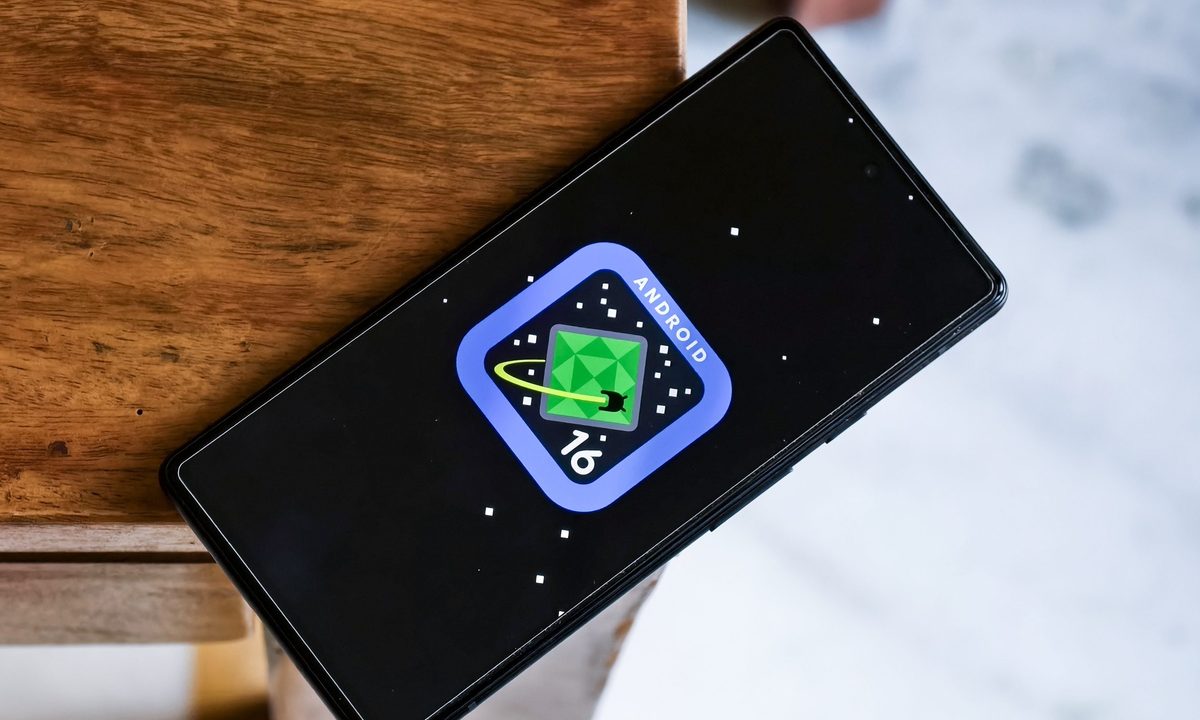
Android 16 logo on Google Pixel 6a kept on the edge of a table.
Tushar Mehta / Digital Trends

Google is making a major change to how Android phones handle gaming. Starting with Android 16, any new phone or tablet that hits the market must support a new feature called Host Image Copy. While the name might sound like something only developers care about, the real-world impact is clear: faster load times, less stuttering, and games that run more smoothly overall. And that’s something anyone who games on their phone can appreciate.

Host Image Copy helps games load their visuals more efficiently by letting the phone’s processor take care of moving image data, rather than relying only on the graphic chip. That frees up resources and helps your games run better. It also cuts down the amount of memory games need to use behind the scenes, which is a win for performance and battery life. That could mean the end of the long pauses and lag spikes that have frustrated mobile gamers for years, or at the very least bolster them with enough speed and performance that it’s more attractive to some players who haven’t decided to buy in on mobile or specifically Android.

Google is requiring this feature for all new Android 16 devices, meaning developers can build more demanding games without worrying about compatibility. That’s good news not just for flagship phones, but for budget-friendly models too, especially ones sold by retailers like Walmart, where affordable Android devices are a staple.

This change is part of a larger effort by Google to make Android a more competitive platform for gaming. As we’ve seen with past updates, Android’s performance improvements often start in the background before showing up in flashy features, and Host Image Copy is no different. As Android 16 rolls out, users can expect games to look better, run faster, and feel smoother. That means your favorite games on the platform could soon feel a lot more comfortable to really, really get into, which is a change we can all get behind.

Brittany Vincent
Former Contributor
Brittany Vincent has covered gaming, anime, tech, and entertainment for over a decade. When she’s not writing, she’s…
You Asked: Nintendo Switch 2, Best Android Phones, and OLED Upgrades
You Asked Ep. 88: Switch 2, Android, & OLED

On today’s You Asked: What's up with the Nintendo Switch 2? We answer some of your burning questions as preorders are officially underway. In terms of mobile and phone tech, what Android comes most recommended by our Digital Trends expert, and is upgrading your OLED TV worth it for the latest anti-reflective coating?
Nintendo Switch 2 Questions with Giovanni Colantonio
A couple of weeks ago, we posted our first hands-on impressions of the Nintendo Switch 2. I got to attend the first-ever hands-on event for the console, played about 11 games, and now I’m here to answer your biggest questions.

Question from @kennethcheung4938: We haven’t seen much of the new OS yet—is it similar to the original Switch OS, or is it a full overhaul? If it’s the latter, will we still be able to play games from outside our native region? For example, if I have a U.S. Switch, can I buy physical game cartridges in Japan and still play them in English?

Read more
Android 16 is finally expanding beyond Google Pixel phones
Android 16 logo on Google Pixel 6a held in hand.

The next major build of Android has reached a handful of new milestones, ahead of its public release. Google has just started the rollout of Android 16’s fourth beta update, reaching the second platform stability. 

Developers who have optimized their apps to target Android 16 can now ship their updates via the Google Play Store. The latest beta update is also the near-final version, as all the app behaviours and background functionalities have been finalized. 

Read more
Gemini AI coming to cars as Android Automotive update suggests it’s due soon
The 6.8-inch Pioneer digital media receiver installed in a vehicle's dashboard.

Google appears to be getting ready to sends its Gemini AI into cars through an Android Automotive update.

This would make sense as Android Automotive already uses Google's Assistant to help with those much-needed in-car hands-free requests.

Read more