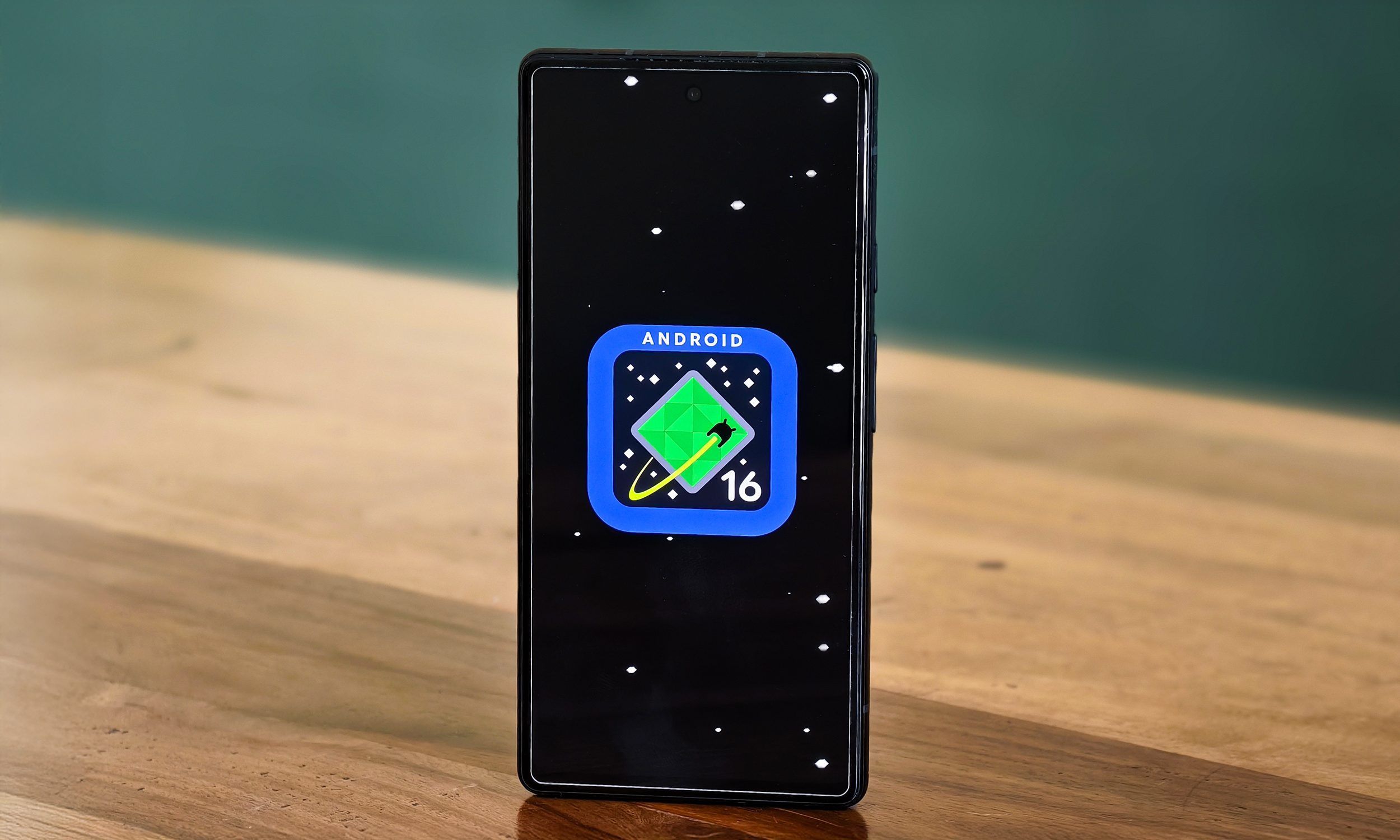
The next major build of Android has reached a handful of new milestones, ahead of its public release. Google has just started the rollout of Android 16’s fourth beta update, reaching the second platform stability.
Developers who have optimized their apps to target Android 16 can now ship their updates via the Google Play Store. The latest beta update is also the near-final version, as all the app behaviours and background functionalities have been finalized.
Why does it matter?
So far, Android 16’s public beta testing has been limited to Google’s own Pixel smartphones. With the release of Android 16 Beta 4, Google says more device brands are joining the test bandwagon.
Honor, iQOO, Lenovo, OnePlus, OPPO, Realme, Sharp, Vivo, and Xiaomi are the brands that are now readying their respective beta updates based on Android 16’s latest build. China’s Oppo, for example, has announced that a beta build of ColorOS 15 based on Android 16 is now ready for the Oppo Find X8 in a trio of markets.
Xiaomi is already a part of the developer beta testing program, and it’s only a matter of time before a public beta version is released for the Xiaomi 15 and 14T Pro smartphones. Likewise, the developer-focused testing is also underway for the Vivo X200 and iQoo 13 smartphones, and the OnePlus 13 is also in the test pool.
What’s new in Android 16?
In Android 16, you won’t be greeted with a UI overhaul, but there are a host of functional changes onboard. To begin, live notifications with a progress bar and real-time updates are now baked at a system-wide level. Audio Share will let users cast their phone’s audio stream to more than one pair of Bluetooth-based earbuds and headphones.

The update will also introduce Adaptive refresh rate technology, which allows the display to automatically increase or lower the refresh rate to save battery juice. Google is also giving developers more granular control over the haptic feedback in their apps.
On the camera-specific side of things, Android 16 adopts a hybrid exposure system that makes it far easier to make exposure, ISO, and illumination adjustments in camera apps. The next-gen OS is also extending similar controls for hue and color temperature tweaking in video capture.
Thanks to updates within the Health Connect platform, users will be able to share medical and health records between different apps in the FHIR format. Google is also giving a major boost to accessibility features this time around.
“Android 16 adds the capability for users of LE Audio hearing aids to switch between the built-in microphones on the hearing aids and the microphone on their phone for voice calls,” says the company. We will likely hear more about Android 16 and a public release timeline at Google’s next I/O developers event in May.