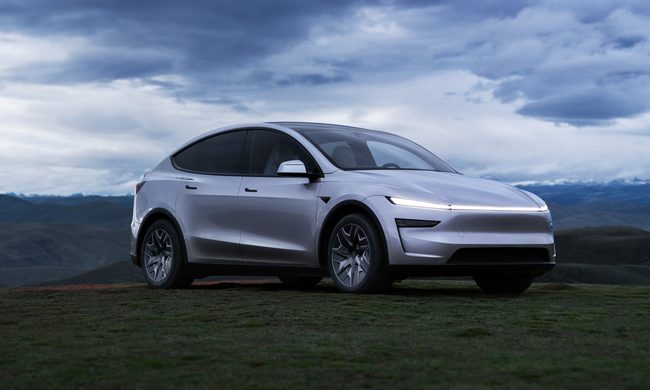
Tesla’s driver-monitoring systems are designed to ensure drivers keep their eyes on the road while using Autopilot and other assisted-driving features. But in China, some Tesla owners have reportedly found an unusual workaround: tiny plastic doll heads.
According to a recent Wired report, a growing niche market has emerged around figurines and gadgets designed to trick Tesla’s in-cabin camera into believing an attentive driver is sitting behind the wheel. The most popular version involves miniature celebrity heads, often resembling actors or public figures, mounted near the rearview mirror to block the camera’s view of the actual driver.
The products have gained attention after videos demonstrating the trick went viral on Chinese social media platforms. Many of the figurines reportedly sell for between $10 and $40 on e-commerce sites and are positioned carefully so they appear in the camera’s field of view while hiding the real driver’s face.
Tesla uses cabin-facing cameras to monitor driver attention when Autopilot features are active. If the system detects that a driver is looking away from the road for too long, it issues warnings and can eventually disable assisted-driving features. The company introduced stricter distracted-driver monitoring in China through a software update last year, prompting some owners to search for ways around the safeguards.
Drivers are using everything from doll heads to blinking screens
The fake heads are only one part of a broader trend.
According to the report, some Tesla owners use photographs placed in front of the camera, while others rely on lenticular images that appear to blink when viewed from different angles. More advanced solutions include small display screens that play looping videos of a person’s face blinking and moving naturally. These devices are specifically designed to convince the monitoring system that a real driver is paying attention.
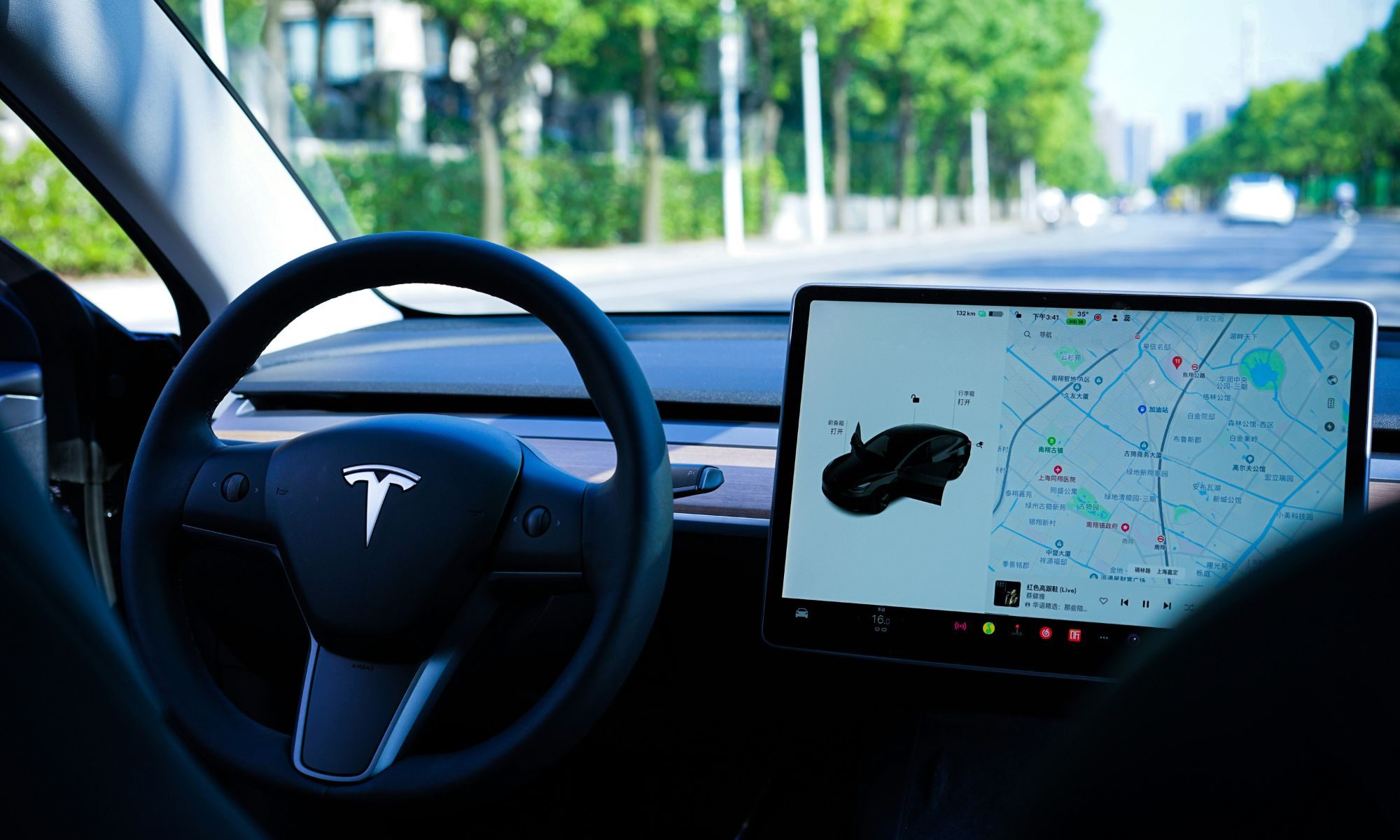
One Tesla owner reportedly claimed that a figurine resembling actor Dwayne Johnson allowed him to drive for extended periods without receiving distraction warnings from the vehicle. Videos shared online showed drivers eating snacks, filming videos, or looking away from the road while the fake head remained in view of the camera.
The trend is not entirely new. Tesla owners in various countries have previously experimented with sunglasses, steering wheel weights, and other methods to bypass safety systems. However, the latest wave of camera-focused gadgets appears to have emerged after Tesla strengthened driver-monitoring requirements in China.
A growing concern for driver-assistance safety
The popularity of these gadgets raises broader questions about the limitations of current driver-monitoring systems.
While Tesla’s Autopilot and other assisted-driving technologies can handle certain driving tasks, they still require active human supervision. Safety experts have repeatedly warned that bypassing attention-monitoring systems increases the risk of accidents because drivers may become overconfident in what remains a driver-assistance feature rather than a fully autonomous system.
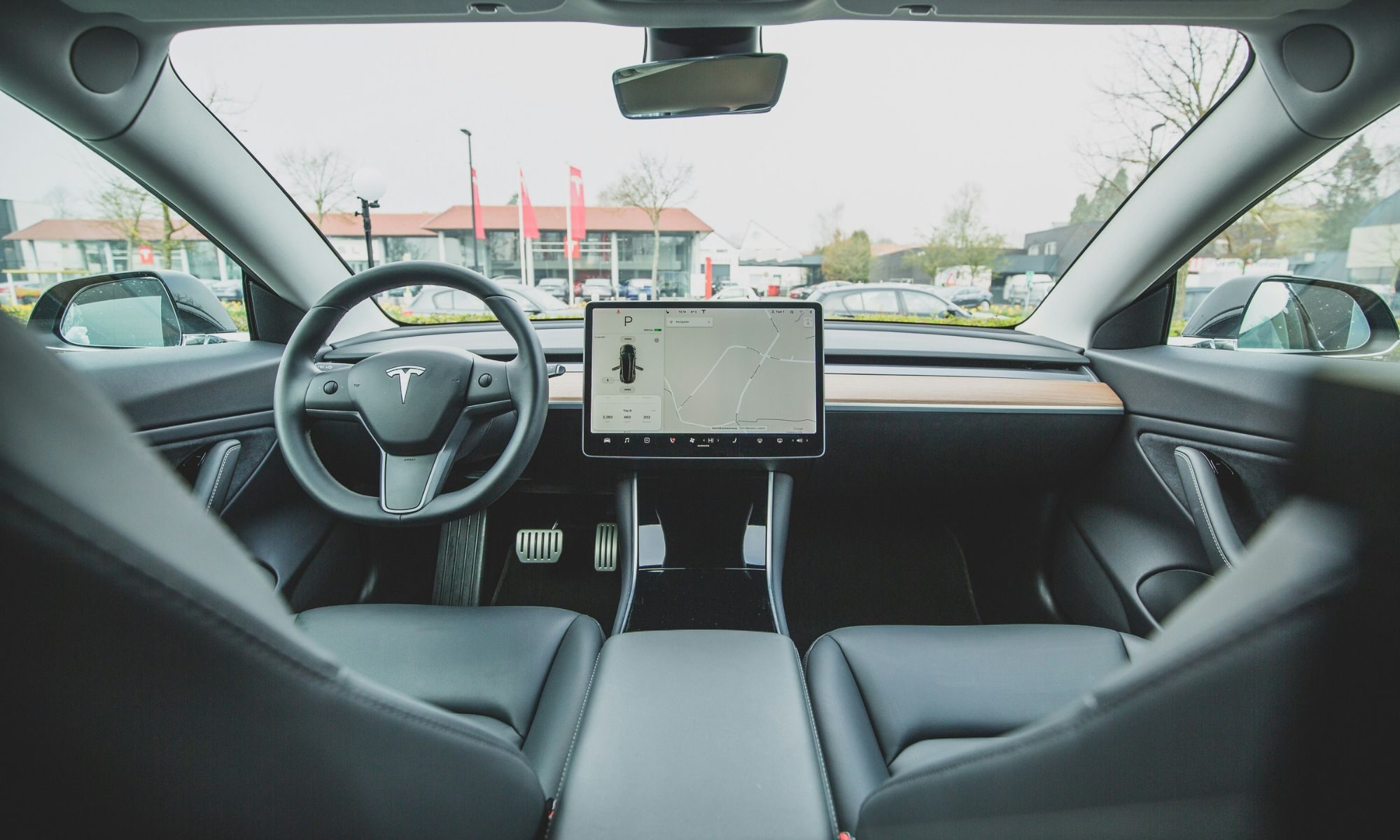
Many users on Chinese social media have criticized the products, comparing them to seatbelt bypass clips that prioritize convenience over safety. Others have questioned how relatively simple props can still fool sophisticated camera-based monitoring systems.
Tesla has not publicly commented on the reported gadgets or whether future software updates will attempt to detect and block such workarounds. However, if the trend continues to grow, the company may face increasing pressure to improve its driver-monitoring technology.
For now, the story serves as a reminder that even advanced AI-powered vehicle systems can sometimes be defeated by surprisingly low-tech solutions – including a plastic doll head attached to a rearview mirror.