General Motors-backed Cruise revealed this week that its fully driverless cars have now traveled more than a million miles, mostly on the streets of San Francisco.
The achievement comes just 15 months after the company’s first fully driverless ride, during which time it also launched San Francisco’s first paid driverless robotaxi service.
Cruise executive Mo Elshenawy said in a blog post announcing the milestone that its city drives have been “packed with complex scenarios … The dense, often chaotic, streets of San Francisco have about 19,000 people per mile and give our fleet mountains of information-rich data to learn from.
“For example, stop sign blow-throughs are 46x times more frequent in San Francisco than in suburban areas. And double-parked vehicles and cut-ins are everyday norms of San Francisco traffic — not exceptions.”
Cruise’s vehicles have also tackled the city’s famous fog, an array of construction zones, and post-concert traffic outside various crowded venues.
Elshenawy said that data from each ride is fed into a continuous learning machine to help refine its autonomous technology, adding that since Cruise’s first driverless ride, it’s updated its software 14 times.
But as you’d expect with an ambitious initiative that’s aiming to transform how we travel on our roads, it hasn’t all been smooth sailing for Cruise.
Some of its cars have occasionally caused havoc on San Francisco’s streets, blocking roads and confusing police officers who were apparently unsure about how to deal with an empty vehicle that may have committed a traffic violation.
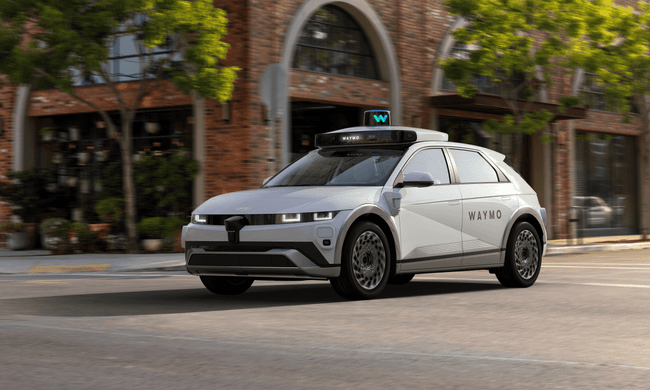
Concerned about the recent mishaps by Cruise and rival operator Waymo, San Francisco officials recently sent a letter to the California Public Utilities Commission (CPUC) highlighting various incidents of concern and calling on the regulator to slow the expansion of robotaxi pilot tests in the city until the technology has been further improved.
The officials said that while they were OK with Cruise and Waymo to continue their testing of driverless vehicles, the expansion of such activities should be carried out with great care to create “the best path toward public confidence in driving automation and industry success in San Francisco and beyond.”
Despite the challenges, Cruise is adamant that big changes are coming to our streets.
“Riders have taken tens of thousands of rides in Cruise autonomous vehicles,” Elshenawy said. “In the coming years, millions of people will experience this fully driverless future for themselves.”