  1. Home
  2. Cars
  3. News

China has new EV safety rules ready. The US needs to follow in its footsteps

Mandatory battery fire protections and hard power cutoffs show what a tougher EV safety playbook could look like in the U.S.

Add as a preferred source on Google
EV
EV Unsplash

China’s EV safety rules are about to make automakers prove their cars can fail safely, not merely warn people before trouble spreads.

Starting July 1, 2026, two mandatory national standards will require stronger battery safeguards and a physical one-touch way to cut high-voltage power during an emergency. The pressure points are the ones drivers, firefighters, insurers, and regulators can’t brush aside for much longer, including battery fires, crash damage, smoke exposure, and rescue access after a severe incident.

Recommended Videos

America should be watching much more closely. China’s using hard tests to turn EV risk into a pass-or-fail problem, and that’s exactly the kind of clarity the US market still needs.

How far do China’s tests go

The battery requirement carries the sharpest message. China is moving from an alarm-first model toward a prevention-first test, requiring covered batteries to avoid fire or explosion while still sending a warning signal. It also adds a smoke requirement aimed at protecting occupants, which brings cabin exposure into the safety calculation.
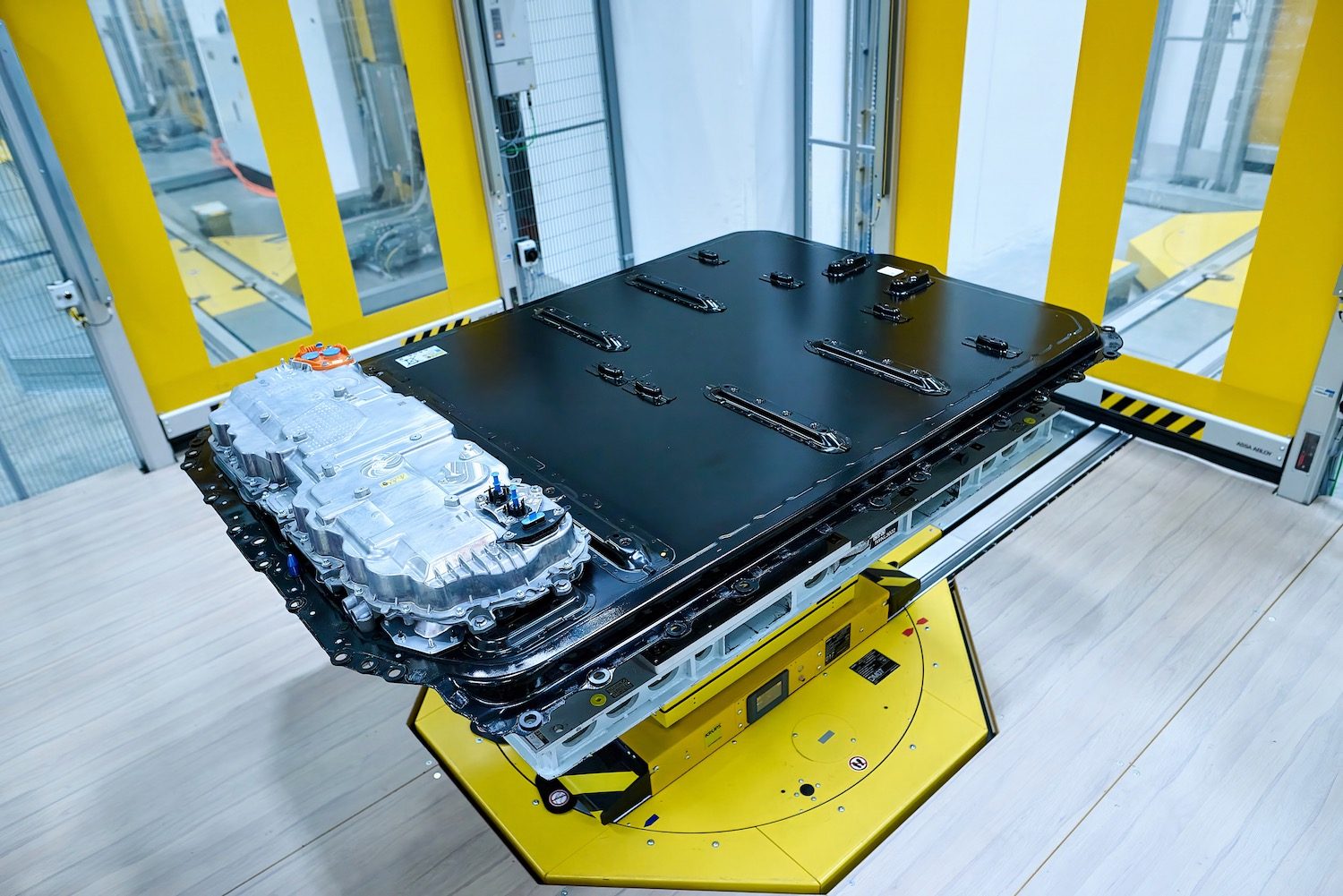
The mandate also pushes beyond lab-friendly promises. Battery packs face a new bottom-impact test for underbody strikes, plus a durability check after 300 fast-charge cycles, followed by an external short-circuit test. Automakers don’t get to claim safety while ignoring charging wear or ugly impacts that happen on real roads.

Why should America pay attention now

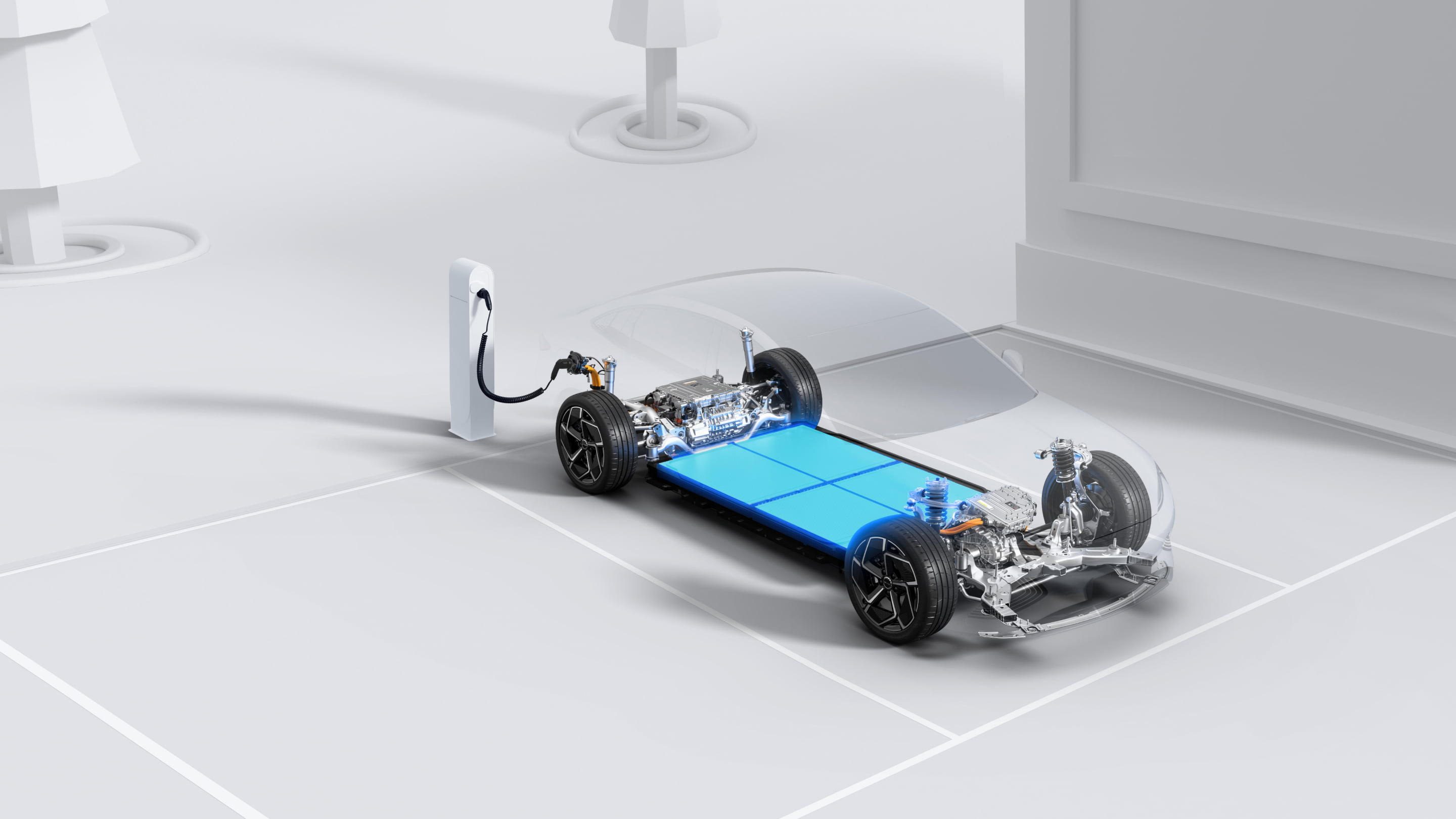
China’s approach links the battery, the vehicle, and emergency response instead of treating each as a separate lane. Its EV fleet already reached 43.97 million new energy vehicles by the end of 2025, while May 2026 production and sales data showed the market rebounding. Scale has forced the safety conversation into the open.

The US doesn’t need to copy China line by line. It does need a tougher national conversation around the full chain of EV failure, from how a pack reacts after fast charging to whether first responders can physically isolate dangerous voltage without trusting software.
What should regulators do next

China’s tougher tests will likely raise costs for some battery packs and new models after July 2026. That’s the tradeoff the US should confront now, while EV sales are still building and safety expectations haven’t hardened around weaker requirements.

The next step should be specific. US regulators should turn battery fire prevention, impact protection, charging durability, smoke safety, and physical emergency shutoff access into a clearer national baseline for EV safety rules. China has already shown how much pressure a serious standard can apply. America shouldn’t wait for a crisis cycle to catch up.

Paulo Vargas
Paulo Vargas is an English major turned reporter turned technical writer, with a career that has always circled back to…
Mercedes’s Chinese partner made an EV that costs under $10,000 and looks deceptively stylish
At around $10,000, the Arcfox Beta T1 has a feature list that embarrasses several $30,000 US EVs.
Car, Transportation, Vehicle

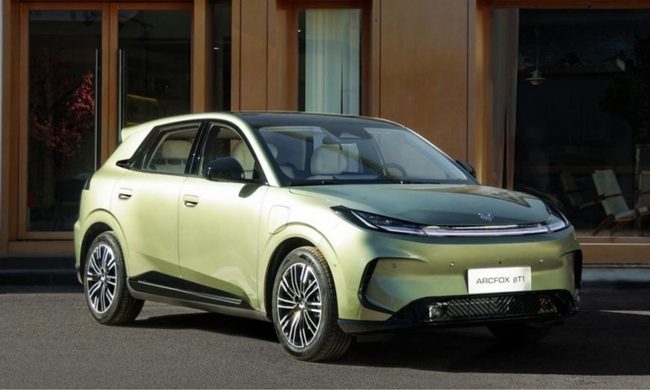
BAIC, the Beijing-based automaker that produces Mercedes-Benz vehicles in China, has launched the refreshed Arcfox Beta T1 on June 16, a compact EV priced roughly between $9,200 and $11,700, depending on the trim.

It's not coming to the United States, but the fact that its most affordable version undercuts the cheapest new car sold here by roughly $13,000 and the cheapest EV by almost $20,000 deserves some attention. What BAIC has built here is a direct indictment of the higher EV costs here in America.

Read more
The world’s biggest battery maker just pumped the brakes on solid-state EV hype
CATL chairman Robin Zeng says the technology is still in lab-phase development, with mass-market deployment unlikely before 2030.
Architecture, Building, Shop

Solid-state batteries have been hyped as the technology that will transform electric vehicles, promising higher energy density, faster charging, and improved safety over the lithium-ion cells powering most cars today. But the head of the world's largest battery maker says buyers should not hold their breath.

CATL chairman Dr. Robin Zeng told Caijing Magazine (via CarNewsChina) that large-scale commercialization of solid-state batteries will not be achievable before 2030. The company has set a threshold of 1 million vehicles as the production volume required to justify mass deployment, a figure that remains out of reach for the foreseeable future. When solid-state cells do reach the market, Zeng said initial integration will be limited to premium vehicles priced above 250,000 yuan (roughly $37,000).

Read more
Everything new coming to CarPlay in iOS 27
CarPlay's most meaningful update in years is hiding behind the Siri AI headlines.
Car, Transportation, Vehicle

Apple barely talked about CarPlay at its WWDC 2026 keynote, giving most of the spotlight to Siri AI and the broader Apple Intelligence additions in iOS 27. But that doesn't mean CarPlay is a no-show this year.

The Cupertino giant buried most of the CarPlay updates in a developer-only video, and, as it turns out, there's genuinely more here than you would have expected. As a CarPlay user myself, I'd say some of these features are long overdue, while others tag along with the broader iOS 27 redesign.

Read more